
The Importance of Intentionality in Creating a Minimalist Space at Home
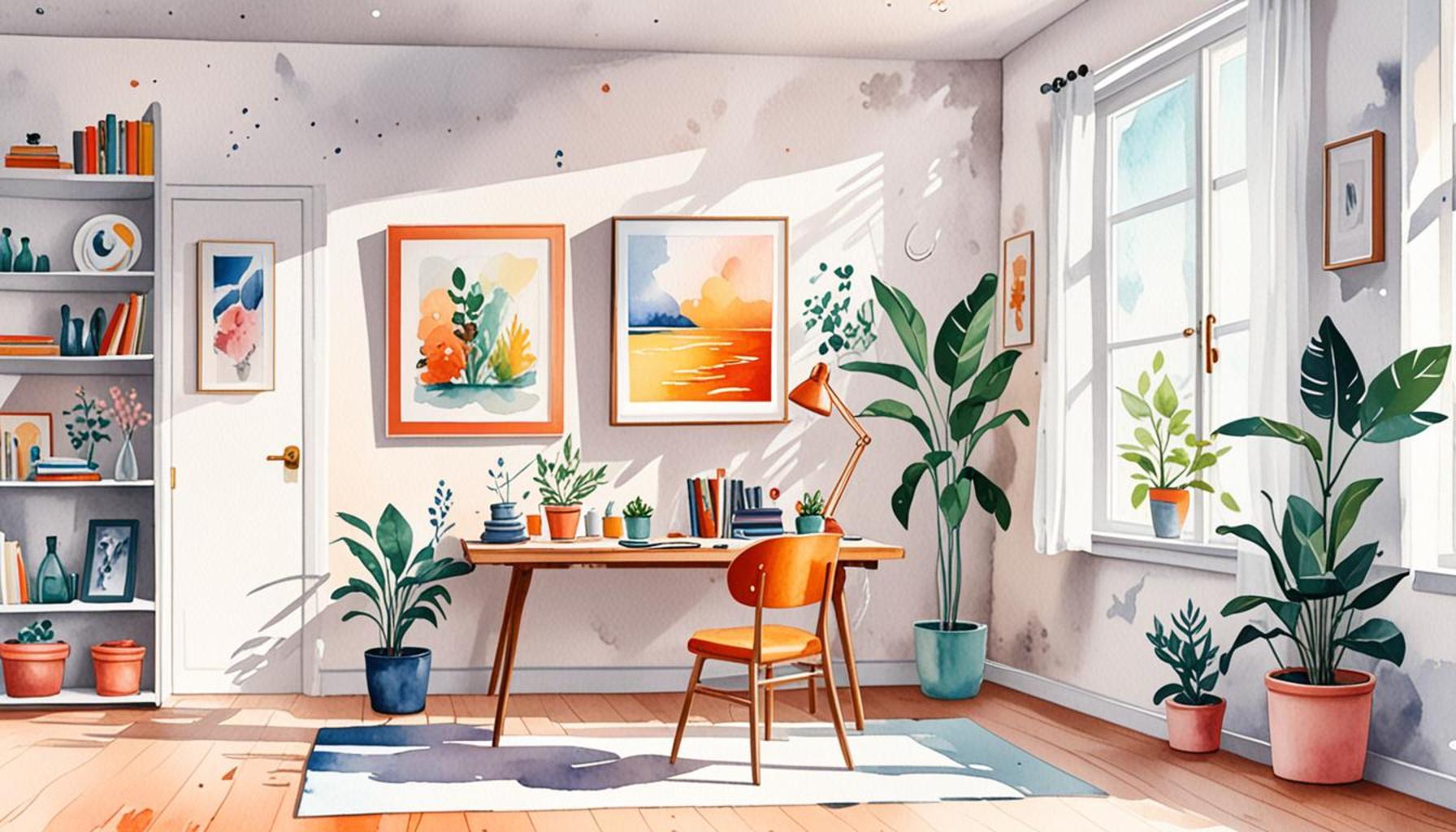
Embracing Minimalism for a Serene Lifestyle
In an era characterized by overflowing schedules and endless distractions, the concept of minimalism has gained resurgence, particularly within urban settings like Nigeria’s bustling cities. At its core, minimalism offers more than just an aesthetic appeal; it presents an opportunity for transformation through intentionality in design and living practices. The essence of this approach lies in the careful curation of personal spaces, allowing individuals to reclaim tranquility and purpose in their everyday lives.
When exploring a minimalist space, it is vital to consider the following defining aspects:
- Purposeful furniture: Each piece of furniture should not only fulfill a practical function but also resonate with the style and ethos of the individual. For instance, a locally crafted wooden chair that seats comfortably while adding cultural flair can elevate both utility and aesthetics.
- Mindful decoration: Art pieces or decorations should reflect one’s values and experiences. Nurturing a space with photographs of significant memories or artwork from local artisans not only beautifies the area but also fosters a personal connection.
- Strategic organization: Developing designated spots for items reduces chaos and promotes harmony. For busy households, employing storage solutions like multifunctional furniture—such as tables with built-in compartments—can maximize space while maintaining a clean environment.
Nigeria’s urban landscape, particularly in mega-cities like Lagos and Abuja, presents a compelling case for the intentional embrace of minimalism amid the often-frantic pace of life. By adopting this lifestyle, individuals can experience numerous benefits:
- Reducing stress: A well-organized space naturally leads to a clutter-free mind, essential for navigating the responsibilities of daily life, whether that includes work, family commitments, or personal pursuits.
- Enhancing productivity: When distractions are minimal, focus improves significantly. This is particularly relevant for students and professionals tackling demanding projects who require an environment conducive to concentration.
- Promoting sustainability: Practicing minimalism encourages mindful consumption habits. By focusing on purchasing high-quality goods that serve multiple purposes, residents contribute to environmental sustainability, a pressing issue in the context of urban Nigeria’s rising population and resource demands.
As one embarks on a journey to carve out a minimalist space, intentionality plays a central role in shaping a home that is a true reflection of personal identity. This approach goes beyond mere aesthetics, prompting individuals to cultivate a lifestyle that fundamentally aligns with their values and aspirations. Through minimalism, one can foster not just a serene environment but a life that prioritizes clarity, purpose, and connection.
RECOMMENDED: Check out this similar article
Cultivating Intentionality: The Core of Minimalist Living
To truly harness the potential of a minimalist space, one must understand the concept of intentionality. This intentional approach encompasses more than just selecting visually appealing items; it requires a deeper evaluation of how each element contributes to the overall atmosphere and functionality of a home. In a country renowned for its vibrant culture and rich heritage, such as Nigeria, intentionality can serve as a powerful tool for transcending the chaos of daily life.
Intentionality in designing minimalist spaces manifests through three fundamental principles:
- Thoughtful selection of items: Every object in a minimalist home must be carefully chosen, ensuring that it serves a purpose or evokes a positive emotion. This could be a handcrafted piece of furniture from a local artist in Ibadan or a decorative pot that symbolizes a cherished family memory. Such items not only add character but also remind residents of their roots.
- Balancing function with form: In Nigeria, where space can be at a premium, multifaceted furniture is essential. Choosing items such as a coffee table that doubles as storage or a bed with under-bed drawers can effectively enhance functionality while reducing visual clutter. The balance between utilitarian pieces and aesthetically pleasing design can transform a cramped room into a serene oasis.
- Establishing a clear vision: How does one wish to feel when entering their home? A peaceful environment often requires careful thought regarding color palettes, texture, and arrangement. For instance, using earthy tones borrowed from the natural landscapes of Nigeria can create a calm and inviting atmosphere, inviting residents to unwind.
The challenge lies not just in decluttering, but in asking the fundamental questions that lead to a purposeful existence. For many Nigerians juggling work, family, and societal expectations, this may seem daunting. Yet, the benefits of embracing intentionality are profound:
- Improved mental clarity: A home reflecting one’s true self can greatly reduce anxiety levels, creating a sanctuary that invites relaxation and reflection amidst the urban hustle.
- Enhanced creativity: When distractions are minimized, a fertile ground for inspiration is established. Artists, students, or even business professionals in bustling cities like Lagos can pursue their passions in an environment that allows for unhindered thought processes.
- Strengthened interpersonal connections: Spaces designed with intention invite meaningful interactions. A well-thought-out dining area can encourage family members to gather and share life experiences, reinforcing bonds and forging lasting memories.
As one embarks on the journey to create a minimalist space at home, recognizing the essence of intentionality allows for the cultivation of environments that resonate with personal values and goals. Through a conscious selection of furnishings and designs, Nigerians can weave a narrative that is both reflective of their heritage and progressive in its aspirations. Ultimately, this journey is about embracing simplicity while celebrating the beauty of one’s individual story.
| Advantage | Description |
|---|---|
| Enhanced Focus | By decluttering your space intentionally, distractions are minimized, allowing for improved concentration and clarity of thought. |
| Emotional Wellness | A minimalist space fosters a sense of calmness and reduces anxiety, as excessive items can often lead to feelings of overwhelm. |
Creating a minimalist space at home requires a deliberate approach, centered around the concept of intentionality. Every item retained in a minimalist space should serve a purpose or bring joy—transforming your environment into a sanctuary, rather than a storage unit. This practice is not merely about aesthetics; it is fundamentally tied to the way we experience our lives within these walls. For many, intentionally choosing their environment allows for greater mindfulness and appreciation of everyday moments.Moreover, incorporating intentionality extends beyond just physical items—it influences your habits and routines as well. For example, adopting a daily decluttering habit fosters a sense of responsibility towards one’s living space. Similarly, intentional decor can enhance the feeling of serenity, making your home a true reflection of your values and lifestyle choices.
YOU MAY ALSO LIKE: Read read another article
Designing with Intent: Practical Strategies for Minimalist Living
Once an understanding of intentionality is established, the next step is to implement practical strategies to cultivate a minimalist environment. This process can be both fulfilling and transformative, enabling homeowners to design spaces that align with their values and lifestyles. By integrating intentionality into everyday decisions, individuals can navigate the complexities of modern living while embracing the rewards of minimalism.
One effective method for enhancing intentionality involves the concept of functional aesthetics. This means choosing items that not only serve a purpose but also contribute positively to the visual landscape of a space. For instance, in urban locales like Abuja, where homes may vary in size and layout, selecting pieces such as a beautiful, locally crafted bench that provides seating while also acting as a decorative focal point can make a significant impact. This combination elevates practical use while supporting artisans and showcasing cultural heritage.
Another key strategy is establishing a decluttering routine. In the hustle and bustle of life, belongings can accumulate quickly. Setting aside time regularly, perhaps during weekends, for evaluating possessions can lead to a more intentional approach towards ownership. A useful guideline is the ‘one in, one out’ rule: for every new item introduced into the home, an existing one should be removed. This practice not only curtails excess but also reinforces the value put on each piece kept within the minimalist space.
Moreover, integrating natural elements can create a calming atmosphere intrinsically linked to wellness and tranquility. For example, incorporating indoor plants, like the native snake plant or pothos, can improve air quality while adding a touch of nature to the home. This connection with nature can result in less stress and improved overall mood, aligning perfectly with minimalism’s aim to foster peace and clarity.
Interaction with one’s surroundings plays a crucial role as well. Residents should consider the arrangement of furniture and decor carefully, ensuring that pathways are unobstructed and spaces invite interaction rather than isolation. A thoughtfully arranged living room that encourages conversation can become a sanctuary of connection for families and friends, essential in communal cultures like those found in Nigeria.
Moreover, as smart home technology becomes increasingly accessible, intentional integration of these advancements can enhance minimalism. In a thriving city like Lagos, homeowners can utilize smart lighting systems to adjust ambiance based on time of day or activity, effectively managing energy consumption while creating versatile environments. Implementing technology mindfully empowers individuals to take full control over their spaces, aligning them further with their lifestyle choices.
Finally, it’s essential to recognize that intentionality is an evolving journey. As life circumstances and aesthetics change, so too should the approach to minimalist living. Maintaining flexibility in the design allows homeowners to appreciate not only the objects that currently occupy their space but also the memories and experiences that have shaped their journey. This adaptability, coupled with intentionality, ensures a minimalist home remains a cherished sanctuary, always reflective of its occupants’ growth and heritage.
ADDITIONAL INSIGHTS: Expand your understanding here
Concluding Thoughts on the Role of Intentionality in Minimalism
In a world cluttered with distractions and excess, the concept of intentionality stands as a powerful cornerstone for creating a minimalist space at home. By consciously curating our environments, we not only redefine our spaces but also enhance our overall well-being. As explored throughout this article, embracing intentionality involves making thoughtful choices about what we bring into our homes, ensuring that each item serves a purpose and enriches our lives.
From adopting functional aesthetics to establishing consistent decluttering routines, the practices outlined serve as pathways to a serene, minimalist lifestyle that fosters clarity and peace. Moreover, integrating natural elements and prioritizing interactive spaces encourages a sense of connection, vital in communities across Nigeria. The deliberate arrangement of our homes creates environments that not only reflect personal values but also facilitate deeper relationships and emotional well-being.
Ultimately, as we navigate the evolving journey of our lives, intentionality must remain at the forefront of our design philosophy. It invites us to continually reassess our spaces to ensure they resonate with our current selves while honoring the memories and values that shape our experiences. By committing to this approach, we transform our homes into true sanctuaries—reflective of our aspirations and conducive to a fulfilling lifestyle. In embracing minimalism with intentionality, we unlock the potential for a more meaningful existence, paving the way for a harmonious blend of simplicity and depth in our homes.

Beatriz
Beatriz Johnson is a seasoned minimalist and writer with a passion for simplifying the complexities of personal organization and decluttering. With over a decade of experience in the field, she specializes in topics like minimalist living, efficient organization strategies, and creating intentional spaces. Through her work, Beatriz empowers readers to make mindful decisions about their belongings, streamline their lives, and embrace a more organized and fulfilling lifestyle.