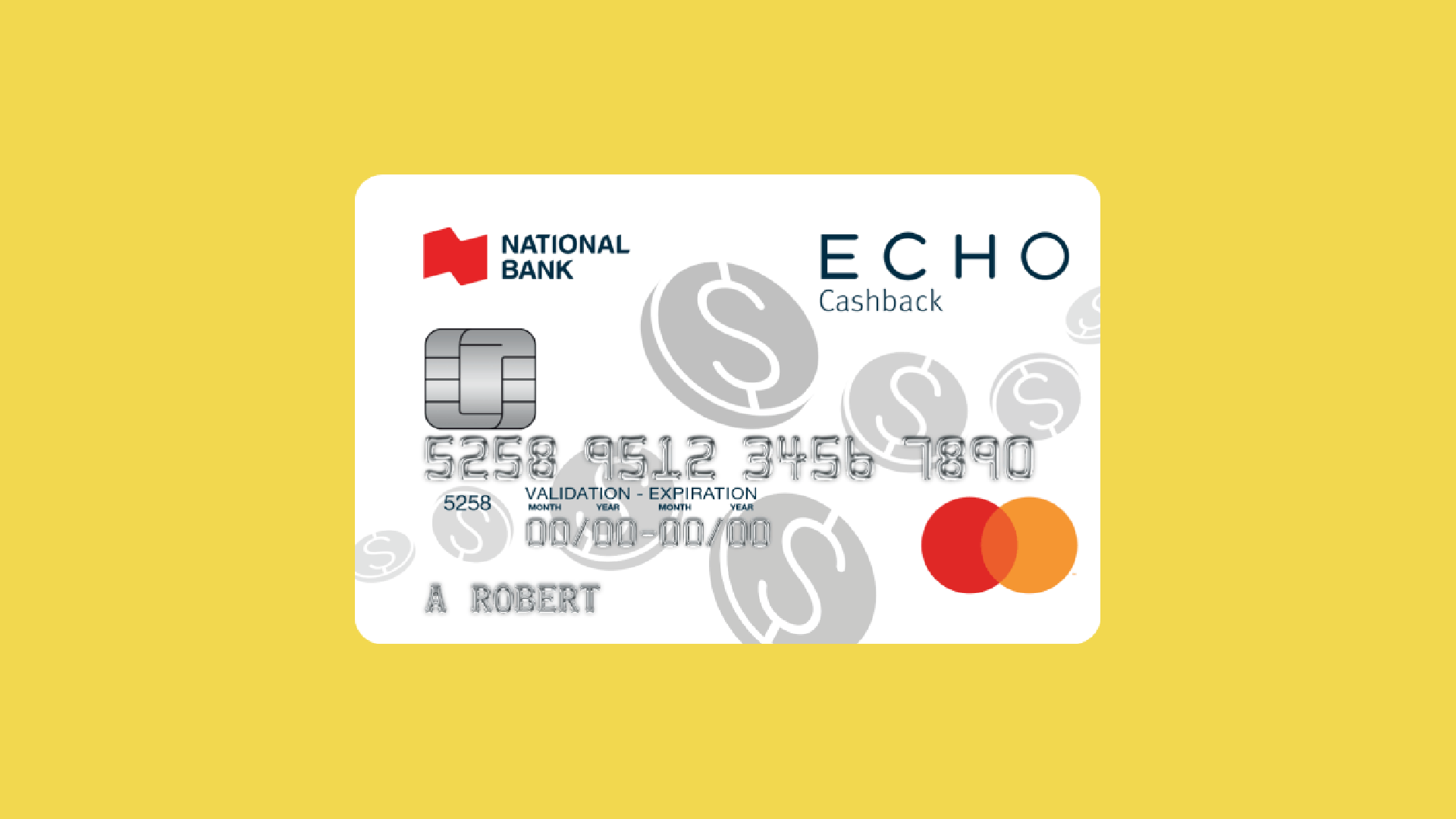
The Pros and Cons of Using Credit Cards in Canada

As Canadians increasingly navigate a complex financial landscape, credit cards remain a prominent fixture in their wallets. These flexible financial tools can bring both benefits and challenges that may not be evident at first glance. Understanding the pros and cons of using credit cards is essential for making informed choices about personal finance.
Benefits of Credit Cards
Credit cards offer a host of advantages that can enhance your financial experience. One of the most notable is the convenience they provide. With a credit card, Canadians can easily make purchases both online and in-store, eliminating the need to carry large amounts of cash. Whether it’s ordering groceries through an app or checking out at a local shop, the swipe of a card simplifies transactions.
Another significant benefit is the rewards programs associated with many credit cards. Numerous financial institutions in Canada offer programs that allow users to earn cashback, points redeemable for travel, or discounts at popular retailers. For example, the Air Miles program lets cardholders accumulate points that can be exchanged for flights, hotel stays, and experiences, making travel more accessible. Furthermore, these rewards not only enhance a consumer’s purchasing power but can also transform everyday expenses into exciting travel opportunities or cash savings.
Additionally, using a credit card responsibly can contribute to building a credit history and improving one’s credit score. This can be particularly beneficial for young Canadians who are just starting to establish their financial profiles. By consistently making payments on time and maintaining a low credit utilization ratio, individuals demonstrate to lenders that they are reliable borrowers, which can lead to increased access to loans and better interest rates in the future.
Challenges of Credit Cards
However, there are significant drawbacks to consider. One of the most pressing issues is the prevalence of high-interest rates on unpaid balances. For Canadians who find themselves carrying a balance from month to month, interest charges can accumulate quickly, resulting in a debt spiral that can be difficult to escape. According to the Financial Consumer Agency of Canada, credit card interest rates can soar above 19% annually, making it crucial for cardholders to be vigilant about their spending and repayment habits.
Additionally, the convenience of credit cards can inadvertently lead to overspending risks. The immediacy of card use may foster impulse purchases that are not carefully considered. Many Canadians may find themselves in a cycle of spending beyond their means simply because they can swipe a card rather than counting out cash, leading to financial stress down the road.
Lastly, some credit cards come with annual fees that might outweigh their benefits for certain users. While premium cards often offer desirable perks, such as lounge access or travel insurance, these benefits must be weighed against the cost of the fee. It is essential for consumers to evaluate whether they will utilize the perks enough to justify the expense.
In a country like Canada, where financial literacy plays a vital role in economic health, it’s crucial for individuals to weigh these factors carefully. By taking the time to understand both the benefits and challenges that come with credit card use, Canadians can make informed decisions that not only align with their financial goals but also help them navigate their financial journeys more effectively.
LEARN MORE: Click here for details on applying
Weighing the Benefits of Credit Cards
Credit cards offer Canadians a multitude of advantages that extend beyond mere purchasing power. One of the core benefits is the convenience they provide in various spending scenarios. With a credit card, it’s easier than ever to manage payments, both online and offline. From shopping at the local grocery store to booking flights on travel websites, a quick swipe or tap can facilitate transactions in seconds, particularly as more businesses embrace contactless payment options. This efficiency not only cuts down on time spent at checkout lines but also allows consumers to take advantage of deals and promotions instantly.
Another standout feature of credit cards is their rewards programs, which can turn everyday purchases into opportunities for savings and perks. Many Canadian banks and credit unions offer cards that reward customers with points, airline miles, or cashback. For example, the Scene+ program lets users earn points that can be redeemed for movie tickets and dining experiences. It’s not uncommon for Canadians to leverage these rewards to fund vacations, splurge on gifts, or simply save on regular expenses. These benefits can effectively turn a basic necessity into a means of earning value, making credit cards a viable option for those who manage them wisely.
Moreover, using credit cards responsibly can significantly contribute to building a strong credit history. For young Canadians venturing into the world of credit, establishing a healthy credit profile can open doors to future financial opportunities. Timely payments and a flexible credit limit can bolster one’s credit score, which is crucial for securing loans for cars, homes, or education at competitive rates. This benefit underscores the importance of responsible credit management, which can lead to long-term financial stability.
Navigating the Risks Associated with Credit Cards
Despite the many advantages, there are inherent challenges that come with using credit cards. A primary concern is the high-interest rates that can apply to unpaid balances. Canadians who do not pay off their credit cards in full each month may find themselves facing interest rates averaging around 19.99%, according to the Financial Consumer Agency of Canada. Such high rates can make it easy to fall into a cycle of debt, where accrued interest transforms manageable expenses into significant financial burdens.
Equally critical is the risk of overspending that often accompanies easy access to credit. The allure of swiping a card may reduce the psychological weight of spending, leading to impulse purchases that can quickly derail budgeting efforts. A survey conducted by the CanadianBankers Association indicated that 48% of Canadians felt they had overspent due to the convenience of credit cards. This quick gratification can lead to long-term financial consequences if not managed with care.
Lastly, many credit cards come with annual fees that can offset their benefits. Depending on the card, these fees can range from modest amounts to significant sums that may not justify the perks. It’s crucial for consumers to evaluate their spending habits and assess whether the benefits associated with their card will outweigh the costs incurred. Understanding the fine print and comparing different card offers can save Canadians from unnecessary expenses.
Ultimately, gaining a comprehensive understanding of both the advantages and disadvantages of credit card use is vital for Canadian consumers. With the right knowledge and strategies, individuals can harness the benefits while minimizing potential pitfalls, paving the way for a healthier financial future.
DISCOVER MORE: Click here to find out how to apply
Understanding the Hidden Costs and Responsibilities
In addition to the obvious drawbacks, there are several hidden costs associated with credit card usage that Canadian consumers should be aware of. One such cost is the potential for foreign transaction fees. For Canadians who travel abroad or make purchases from international websites, credit cards often impose a foreign transaction fee, typically around 2.5%. This additional charge can add up quickly, especially for frequent travelers, making it vital to choose a card that waives these fees or offers favorable foreign exchange rates.
Equally significant is the concern of fraud and identity theft. While most credit cards come with robust fraud protection, the risk is still present. Canadians reported losses totaling millions every year due to credit card fraud, according to the Canadian Anti-Fraud Centre. Consumers must stay vigilant by monitoring their statements regularly and utilizing security features, such as alerts for unusual spending activity. Understanding your rights as a cardholder can also provide peace of mind; under Canadian law, consumers are only responsible for a portion of unauthorized charges if they report it promptly.
Moreover, credit card statements can be a double-edged sword. While these monthly statements can help keep spending in check, they can also lead to overwhelm and confusion for users who struggle to comprehend all the detailed charges and fees. The complexity of interest calculations, minimum payment requirements, and various fees can create challenges for consumers trying to manage their finances. Many Canadians find themselves puzzling over their statements instead of developing a clear picture of their financial health. Utilizing budgeting tools or apps can streamline this process and make credit management less daunting.
The Psychological Impact of Credit Use
The psychological impact of using credit cards also warrants consideration. For many Canadians, there exists a mental shift when using credit, as cards can diminish the sense of real money being spent. The concept of “credit fatigue” has emerged, where individuals feel detached from their financial decisions due to the ease of swipe spending. A study by the University of Alberta suggested that people are more likely to purchase unnecessary items when using plastic compared to cash. This behavioral tendency can lead not only to overspending but also to increased anxiety about one’s financial situation.
A parallel concern involves the impact of credit card dependency on financial literacy. As the ease of credit use rises, the motivation to understand personal finance can dwindle. Canadians may find it all too easy to rely on credit for day-to-day expenses instead of budgeting responsibly. This lack of financial education can lead to poor spending habits, making it imperative for individuals to actively seek out resources, workshops, or counseling on credit management.
While the advantages of credit cards can be compelling, weighing these benefits against potential pitfalls is essential for Canadian consumers. By being informed and proactive, they can harness the power of credit responsibly while minimizing risks and achieving financial wellness.
DIVE DEEPER: Click here to learn more
Finding the Balance in Credit Card Use
As we have explored, the use of credit cards in Canada presents a complex web of advantages and disadvantages that require careful consideration. On one hand, credit cards offer significant benefits such as convenience, rewards, and enhanced fraud protection, which can serve consumers well in managing their finances and maximizing value from purchases. Conversely, the potential for debt accumulation, hidden costs, and the psychological pitfalls of credit use loom large for many Canadians.
The key to leveraging credit cards effectively lies in understanding their mechanics and recognizing one’s own spending behaviors. The risks associated with overspending and falling prey to high-interest debt can be mitigated by establishing firm financial practices, such as budgeting, monitoring spending habits, and utilizing payment alerts. For those who are disciplined, credit cards can be a valuable tool that fosters financial flexibility and rewards participation.
Moreover, it is crucial for individuals to work on their financial literacy. The data indicates that Canadians are increasingly dependent on credit, yet many lack comprehensive knowledge regarding interest rates, fees, and responsible borrowing. Engaging with educational resources and workshops can empower consumers to navigate credit management with confidence and clarity.
Ultimately, the decision to use credit cards should be informed by a thorough understanding of both their pros and cons. By making informed decisions and practicing responsibility, Canadians can strike a balance that harnesses the power of credit cards while safeguarding their financial future. As always, knowledge is the most potent tool in one’s financial arsenal, and exploring the nuances of credit use can open doors to a more secure financial landscape.

Linda Carter
Linda Carter is a writer and financial expert specializing in personal finance and financial planning. With extensive experience helping individuals achieve financial stability and make informed decisions, Linda shares her knowledge on our platform. Her goal is to empower readers with practical advice and strategies for financial success.