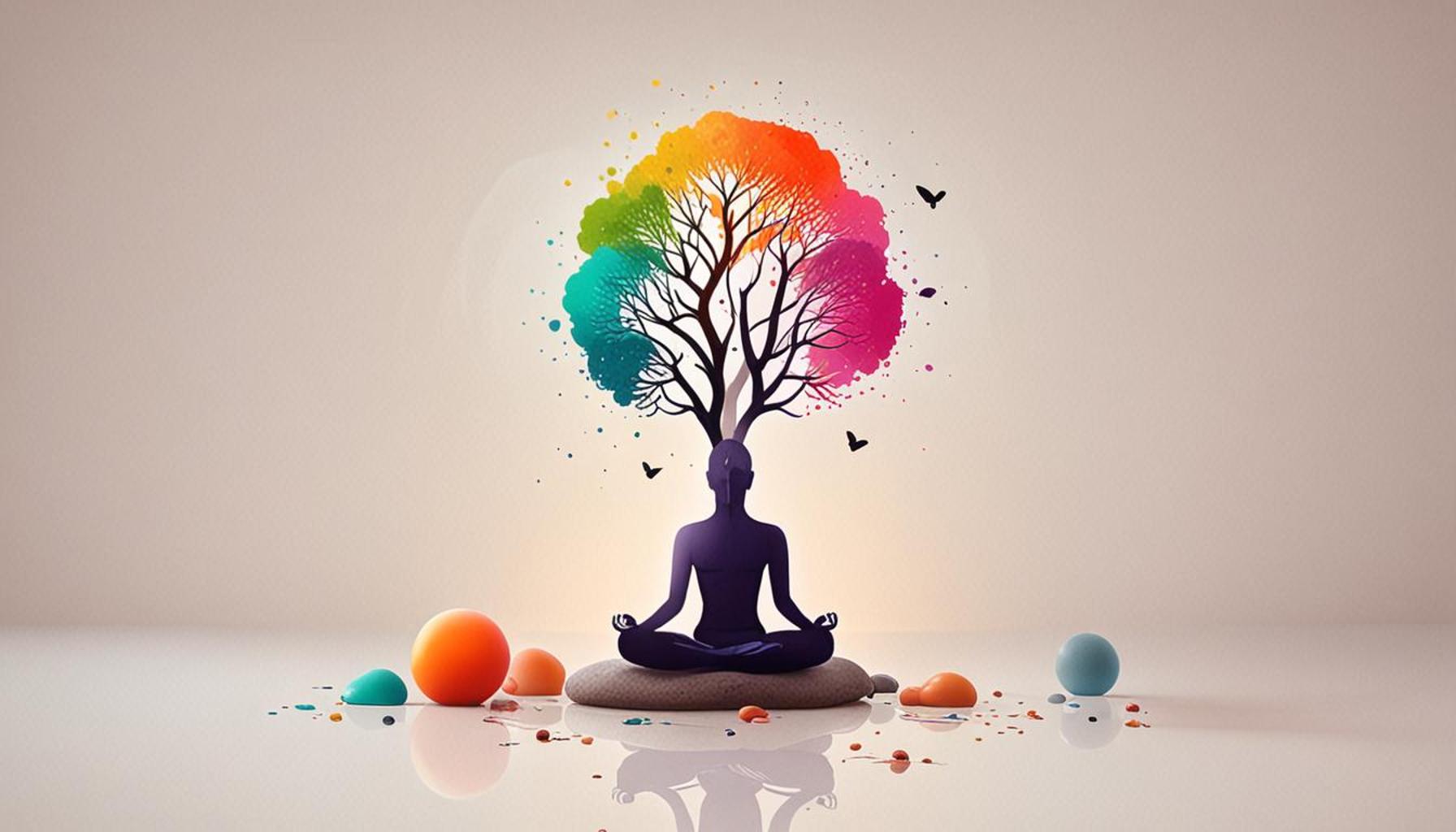
Minimalist Personal Organization: How a Clean Space Can Calm the Mind
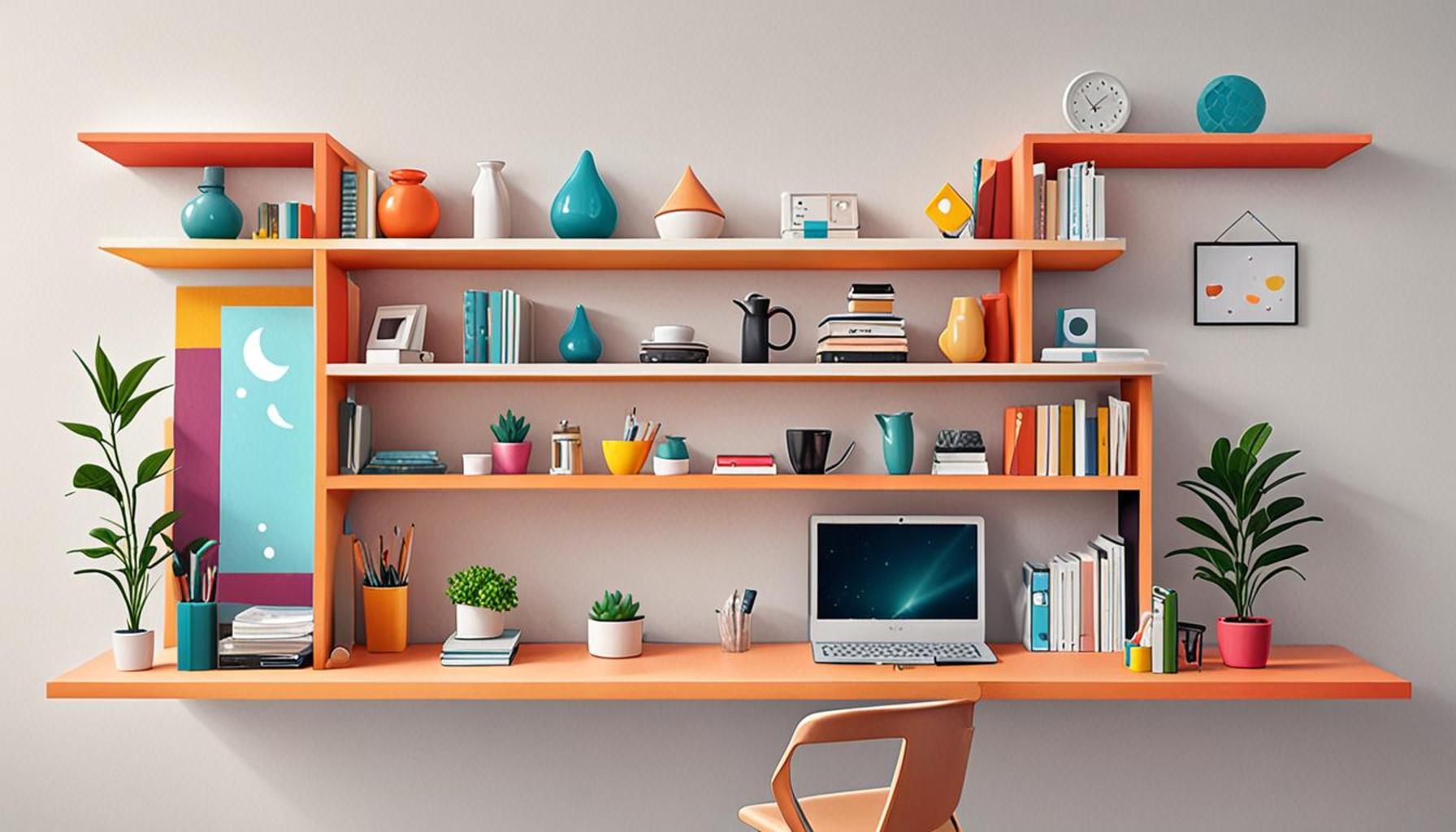
Understanding Minimalism in a Busy World
In our contemporary society, it is easy to find ourselves overwhelmed by excessive possessions and information overload. This bombardment often leads to mental fatigue and a persistent feeling of unease. Minimalist personal organization offers a refreshing perspective by promoting a lifestyle centered around simplicity and intentional living, ultimately leading to a more peaceful and productive existence.
Imagine walking into a space where each item has a specific purpose and every corner radiates calmness. This is the essence of minimalism: a thoughtful arrangement where distractions are minimized, allowing mental clarity to flourish. Stripping away the unnecessary can lead to profound transformations in both our physical and psychological well-being.
Some of the key benefits of embracing minimalism include:
- Reduced stress and anxiety: A clutter-free environment often translates to a clutter-free mind. Studies have shown that physical clutter can significantly heighten stress levels, making it essential to create a serene living or working space.
- Enhanced focus and creativity: When distractions are limited, we can channel our energies towards our passions, leading to increased productivity and innovative ideas.
- Improved decision-making capabilities: A clear space allows for a clear mind, helping individuals make thoughtful decisions without the encumbrance of overabundance.
In Nigeria, with its vibrant markets and bustling cities, the allure of accumulating possessions can be particularly strong. Cultural celebrations and communal gatherings often lead to an abundance of items that serve as reminders of our rich heritage. Yet, this bounty can quickly become overwhelming. Consider the impact of a well-organized living room that showcases your personal style without cluttering your mental space. By decluttering, even just a corner of your home, you can create a sanctuary that nourishes your soul.
By intentionally simplifying our surroundings, we cultivate not just a calming atmosphere but also a serene mindset. It is about nurturing a culture of mindfulness and choosing quality over quantity. In the sections ahead, we will delve into practical strategies for achieving minimalist organization. We will explore methods for maintaining a peaceful space that not only calms the mind but also encourages a balanced lifestyle, ensuring that each item we keep serves a purpose in our journey towards tranquility.
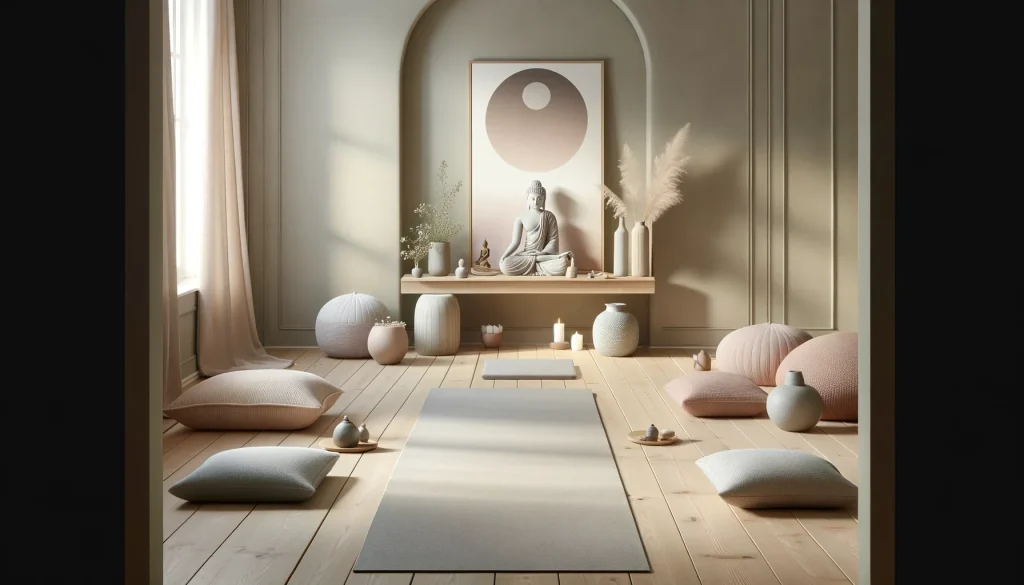
LEARN MORE: This related article may interest you
The Impact of Clutter on Mental Well-Being
Clutter can seep into our lives subtly, turning our spaces into battlegrounds of chaos. In Nigeria, where many homes are filled with memories, heirlooms, and items collected over years, the pull to hold onto everything can be strong. However, research indicates that the state of our environment directly correlates with our mental health. When our surroundings are in disarray, it is not just our spaces that suffer—a cluttered home often leads to a cluttered mind, fostering feelings of anxiety and distractibility.
On the other hand, embracing minimalist personal organization allows for a transformative shift. By intentionally removing excess items, we can create environments that promote clarity and enhance our overall well-being. Here are some compelling insights into the effects of decluttering on mental health:
- Enhanced Calmness: The act of decluttering has been shown to lower cortisol levels, known as the stress hormone. When we remove distractions and unnecessary possessions, we facilitate a more calm and soothing environment, allowing our minds to breathe.
- Increased Productivity: Research has demonstrated that people are more productive in clean and organized spaces. Reducing clutter means we can easier access materials and information required for our daily tasks, thus eliminating procrastination caused by distractions.
- Improved Relationships: A cluttered environment can lead to conflict with family members or housemates, as differing needs for organization can clash. A minimalist approach fosters cooperation and harmony, as shared spaces become more inviting and communicative.
In Nigerian culture, our homes often become reflections of our identities, adorned with beautiful artifacts and items that tell stories of our heritage. However, we must strike a balance—cherishing those memories while maintaining a sense of order. A clean space is more than aesthetic; it serves as a retreat from the external chaos of the world. Think about transforming just one area in your home, perhaps your work desk or living room corner, into a minimalist haven where only essential items reside.
By engaging with minimalist personal organization, we pave the way for mindful living. This journey necessitates thoughtful consideration of what to keep and what to let go of, reinforcing the value of each item in our lives. It is not about deprivation, rather about intentionality and purpose. What remains should serve us, not weigh us down.
In the subsequent sections, we will delve deeper into actionable strategies for achieving a minimalist lifestyle. From decluttering techniques to practical tips for maintaining a clean space, the path to a tranquil mind and productive living is closer than it seems.
| Advantage | Description |
|---|---|
| Enhanced Focus | A minimalist environment reduces distractions, allowing for improved concentration on tasks. |
| Stress Reduction | A clean space can lead to lower anxiety levels by creating a sense of calm and order. |
Creating a minimalist personal organization strategy holds potential in revolutionizing both your workspace and mental clarity. Implementing a clean and organized environment not only promotes productivity but also significantly enhances your focus. Studies indicate that clutter can overwhelm the brain, rendering it difficult to concentrate. Hence, envision a workspace where everything has its place, liberating your mind from chaos.Moreover, a clean space is synonymous with stress reduction. The visual clarity of a minimalist design fosters a serene atmosphere that calms the mind. Within this context, white spaces are crucial as they allow the eyes to rest, encouraging a more composed emotional state. Such principles are not just aesthetic; they are rooted in behavioral psychology, where the environment plays a pivotal role in mental wellness. Embracing these minimalist principles could be the key to a more peaceful and productive life, guiding individuals toward a journey of self-discovery and clarity.
RECOMMENDED: Check out this similar article
Strategies for Achieving Minimalist Personal Organization
Adopting a minimalist approach to personal organization does not require a complete overhaul of your life overnight. Instead, it is a gradual process that can be tailored to fit your unique needs and circumstances. With a few practical strategies, anyone can begin to experience the benefits of a cleaner, more intentional living environment.
1. The Art of Decluttering
One of the first steps in minimalist personal organization is decluttering your space. This process can seem daunting, but it is essential for creating an environment that encourages mental tranquility. Start small—focus on a single area, such as a desk drawer or a corner of your living room. As you sift through your belongings, ask yourself the following questions for each item:
- Do I use this item regularly? If not, it may be time to part with it.
- Does this item bring me joy? Consider the emotional value of each object and its impact on your life.
- Can I replace this item easily? If something is broken or out of date, think about whether it is worth keeping or if it can be tossed.
In Nigerian households, where items often carry sentimental value, it is crucial to honor these feelings while making decisions about what to keep. You might find it helpful to designate a “sentimental box” for cherished memories, allowing you to retain important pieces without overwhelming your space.
2. Implementing the One In, One Out Rule
To maintain a minimalist lifestyle, consider applying the “one in, one out” rule. This principle dictates that for every new item you introduce into your home, you must remove one existing item. This simple practice can help curb excessive consumption and cultivate mindfulness about your purchases. When at market stalls or shops, take a moment to reflect on whether a new item will enhance your life or simply add to the clutter.
3. Creating Functional Spaces
After decluttering, it is essential to create functional spaces that support your daily routines. Allocate specific areas for different activities. For example, designate a work zone for professional tasks, a reading nook for relaxation, and a clutter-free dining area for family meals. Incorporating elements that promote concentration, such as good lighting and minimal distractions, will enrich your experience and lead to better productivity. Using compact and multifunctional furniture can further streamline your environment, making it easier to maintain order.
4. The Power of Regular Maintenance
Minimalist personal organization is not a one-time affair; it requires continuous maintenance. Develop a routine that involves regular clean-ups, ideally weekly, to assess your space and remove any new clutter that may have accumulated. Involve your family in this process, encouraging shared accountability and fostering a sense of community. Set time aside each month for a more thorough review of your possessions, ensuring you remain aligned with your minimalist goals.
Ultimately, the journey towards minimalist personal organization is about embracing a mindset that values simplicity and intentionality. As you proceed, be patient with yourself—the path may not always be linear, but each step you take contributes to an environment that calms the mind and enhances overall well-being.
ADDITIONAL INSIGHTS: Expand your understanding here
Conclusion
In conclusion, embracing minimalist personal organization is a transformative journey that goes beyond mere aesthetics; it is about fostering a sense of peace and clarity in our lives. By effectively decluttering our environments, we create spaces that not only feel inviting but also invigorate our mental well-being. As we adopt strategies like the “one in, one out” rule, we become more conscious consumers, curating our surroundings to reflect only what truly adds value to our lives.
Moreover, structuring our spaces for functionality allows us to approach our daily tasks with a clear mind, reducing distractions and enhancing productivity. This intentionality, especially within the context of Nigerian culture, where sentimental items often hold significant emotional weight, helps us navigate our attachments with grace and mindfulness. By designating sentimental storage and regularly maintaining our spaces, we embed a systematic approach into our routines, thus supporting our minimalist aspirations.
Ultimately, the quest for a cleaner, organized environment is rooted in a profound desire for mental tranquility. As you explore the principles of minimalism, remember that every small step contributes to a larger picture of well-being. Challenge yourself to simplify, assess your possessions, and uncover the peace that lies beneath the clutter. This journey not only calms the mind but also enriches the soul, creating a harmonious balance between your external environment and internal landscape.

Beatriz
Beatriz Johnson is a seasoned minimalist and writer with a passion for simplifying the complexities of personal organization and decluttering. With over a decade of experience in the field, she specializes in topics like minimalist living, efficient organization strategies, and creating intentional spaces. Through her work, Beatriz empowers readers to make mindful decisions about their belongings, streamline their lives, and embrace a more organized and fulfilling lifestyle.