Maximizing Small Spaces Optimization Strategies for Minimalist Living
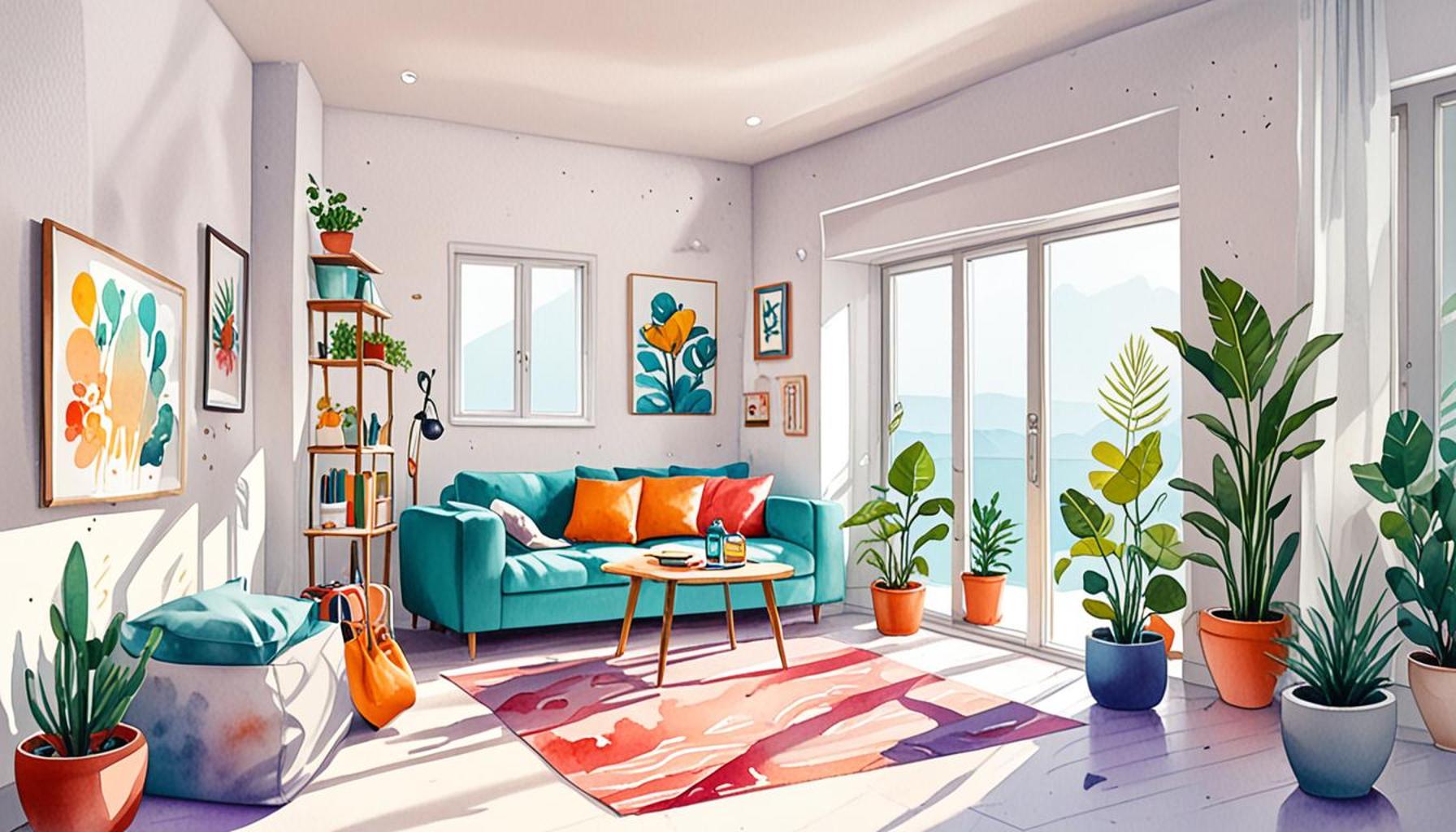
As urban living spaces shrink and the demand for minimalist lifestyles rises, the need for effective space optimization strategies has never been more pertinent. **Minimalism** not only promotes a simplified way of life but also encourages us to be intentional about the spaces we inhabit. By embracing this philosophy, individuals can transform compact areas into functional and aesthetically pleasing environments.
Understanding the dynamics of small space living is key to enhancing both comfort and efficiency. Here are some reasons why optimizing small spaces is essential:
- Efficient use of resources: Making the most out of limited square footage reduces clutter and waste.
- Increased functionality: Thoughtful design can turn multifunctional furniture into a staple of modern living.
- Boosted well-being: A well-organized space can contribute to mental clarity and a sense of peace.
In this article, we will delve into the **Top 5 strategies** for maximizing small spaces, providing practical tips that can help you elevate your home to reflect both style and purpose. As you read on, prepare to discover innovative techniques that will empower your minimalist journey and enhance your living experience.
Maximizing Small Spaces: Optimization Strategies in Minimalist Environments
In the rapidly evolving landscape of urban living, individuals increasingly find themselves dwelling in compact spaces that require creative approaches to maintain functionality and style. The trend toward smaller living areas is driven by urbanization, economic considerations, and a growing interest in sustainable living. As a result, mastering the art of maximizing small spaces through thoughtful organization and design choices becomes a vital skill. This is particularly true for owners of tiny apartments, cozy studios, or even shared spaces, where optimizing every inch is crucial. The aim is not merely to accommodate essentials but to do so in a manner that enhances the atmosphere, encouraging tranquility and clarity amid the chaos of modern life. Below is a detailed exploration of five key strategies to optimize sparse environments.
5. Multi-Functional Furniture
One of the most ingenious solutions to limited space is the adoption of multi-functional furniture, which offers the dual or even triple functions of comfort, utility, and space conservation. This kind of furniture is particularly crucial in spaces where every piece must earn its place by serving multiple roles. Consider a few examples:
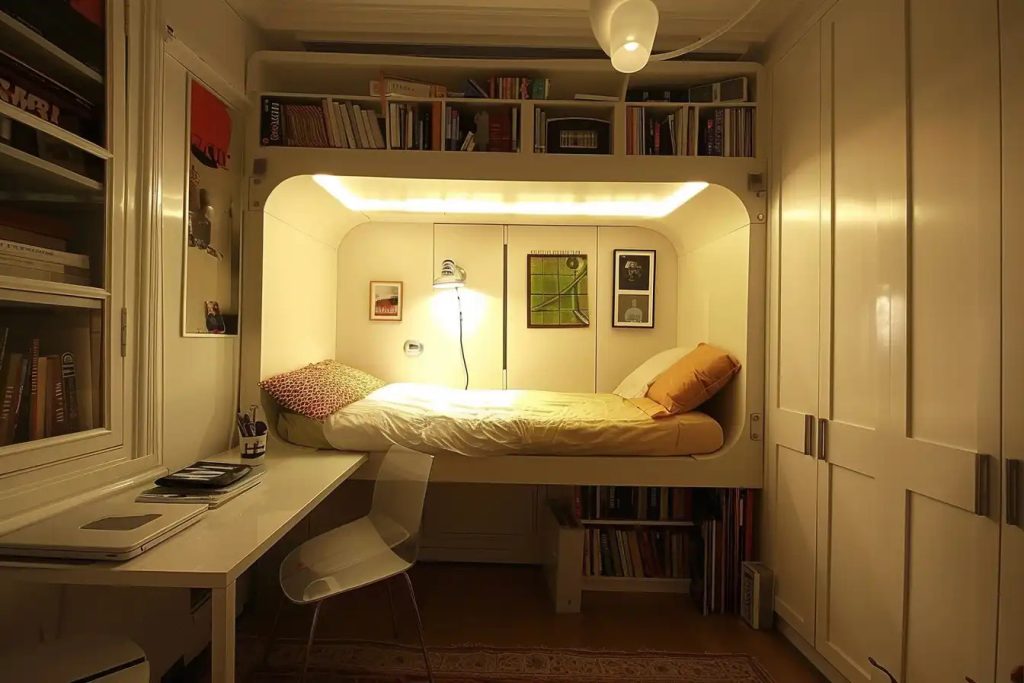
- Sofa beds – These are ideal for saving space in a living room that doubles as a guest room. Many modern sofa beds also offer storage underneath, further enhancing their utility.
- Ottomans with storage – Often overlooked, these pieces offer not only comfort and a decorative element but also valuable hidden storage, perfect for stashing blankets, magazines, or children’s toys.
- Expandable dining tables – These can be adjusted based on need, shrinking for day-to-day use or extending for dinner parties, seamlessly adapting to varying space requirements.
By investing in multi-functional furniture, homeowners can reduce clutter and contribute to a minimalist aesthetic without sacrificing practicality or style.
4. Vertical Storage Solutions
The concept of vertical storage is a powerful tool in the arsenal of small space optimization. Vertical storage leverages wall space effectively, thereby liberating floor areas for other activities and improving the spatial flow. Here are some strategies that utilize vertical space:
- Wall-mounted shelving – Such shelves can hold a variety of items from books to art pieces and potted plants, enriching the visual narrative of a room without encroaching on precious floor space.
- Hanging racks – Especially useful in kitchens and bathrooms where surfaces can quickly become cluttered. Hanging racks provide immediate accessibility to utensils and toiletries.
- Pegboards – Ever versatile, pegboards can be customized for any room and purpose, from holding kitchen tools to organizing office supplies, offering flexibility and organization.
By thinking vertically, you significantly increase storage options and free up floor space, which is essential for functional and comfortable living environments.
3. Decluttering Regularly
One of the core principles of minimalism is purging clutter consistently. Regular decluttering not only enhances functionality but also cultivates a sense of order and tranquility. Embrace these decluttering practices:
- One-in, one-out rule – To sustain balance, commit to removing one item for each new item acquired, ensuring possessions remain deliberate and purposeful.
- Regular decluttering sessions – Designate a specific time each month to sort through belongings, discarding what is no longer needed and refocusing on essentials.
- Sentimental storage – Limit keepsakes to a contained space, like a small box, thereby avoiding the accumulation of sentimental items that can otherwise overwhelm.
Adopting a regular decluttering habit ensures that a minimalist environment remains visually appealing and fully functional.
2. Use of Light Colors and Mirrors
The illusion of a larger space can be skillfully crafted through the strategic use of light colors and mirrors. These design choices not only affect perception but also brighten environments, making them feel welcoming and spacious. Consider the following:
- Light color palettes – Utilize soft hues like whites, pastels, or muted tones on walls and furniture to create an airy atmosphere, allowing rooms to feel larger and more open.
- Strategic mirror placement – Mirrors reflect light and give the illusion of depth, effectively doubling the perceived space and offering visual relief from limitations.
Implementing these design elements turns small spaces into ones that feel expansive and bright, vital for maintaining a minimalist and efficient environment.
1. Designating Zones
Perhaps the most impactful strategy for optimizing compact spaces is the concept of zoning. Zoning refers to clearly defining specific areas for different functions, a method that not only organizes but also visually expands space. This can be done through:
- Area rugs – Strategically placed, rugs separate spaces such as a dining area from a study nook, irrespective of the physical room size.
- Room dividers – Perfect for creating private zones in open-plan designs, dividers define boundaries without permanent structural changes.
- Thoughtful furniture arrangement – Positioning furniture to create natural pathways and distinct areas enhances usability without imposing barriers.
Creating clearly defined zones not only maximizes functionality but also nurtures a sense of order and tranquility, essential for peaceful living in smaller settings.
Implementing these strategies creates a harmonious balance between aesthetics and functionality, allowing even the smallest of spaces to transform into stylish, efficient habitats that support a minimalist lifestyle. Whether you are adapting to a smaller space for financial, environmental, or personal reasons, these approaches provide a foundation for enriching your living experience and enhance the overall quality of life.
| Category | Details |
|---|---|
| Smart Storage Solutions | Utilizing furniture with built-in storage, such as ottomans or beds with drawers, helps to keep the space organized while minimizing clutter. |
| Multi-functional Furniture | Adopting pieces that serve more than one purpose, like a sofa bed or a dining table that doubles as a workspace, can maximize utility in small environments. |
| Vertical Space Utilization | Using wall-mounted shelves and tall bookcases can free up floor space and create a sense of height in small areas. |
| Natural Light Enhancement | Ensuring that windows remain unobstructed and using mirrors can amplify the presence of natural light, making the space feel larger and more welcoming. |
The inclusion of smart storage solutions is pivotal in cultivating a harmonious living space within the constraints of a small area. By opting for furniture that integrates storage capacities seamlessly, the need for excessive shelving or bulky cabinets is negated. Consider pieces like an ottoman that opens up for storage or a daybed that accommodates linens underneath. The essence here is about creating flow and accessibility to items while maintaining a visually appealing environment. Another crucial strategy involves multi-functional furniture. With creativity in design, such pieces not only serve distinct roles but also adapt to various needs. A sofa bed can transform a compact living room into a guest bedroom without the need for an extra room. Similarly, a dining table that can be adjusted or extended permits versatility, allowing the space to cater to larger gatherings without compromising day-to-day functionality. This approach to furnishings epitomizes a smart investment in optimizing small spaces. Vertical space is often an underappreciated asset in interior design. By installing shelves high on the walls, one can take advantage of every square inch available. It promotes a clean floor area while inviting the eye to travel upwards, creating an illusion of higher ceilings and a greater expanse. Incorporating tall bookcases or wall-mounted storage not only optimizes space but also serves as a robust display for personal aesthetics.Enhancing the presence of natural light must never be overlooked. Natural illumination is not just practical; it holds the power to redefine the ambiance of a confined space. Devices such as mirrors can be strategically positioned to reflect light, thereby doubling its effect and crafting a brighter, more open atmosphere. Preserving views by leaving windows unblocked ensures that the room remains vibrant and lively, further enhancing its minimalist essence.
Frequently Asked Questions About Maximizing Small Spaces
How can I make the most of the limited space in a small apartment?
Maximizing space in a small apartment starts with thoughtful organization. Begin by decluttering and removing items you no longer need or use. Consider multi-functional furniture, such as a sofa bed or extendable dining tables, which can significantly save space. Using vertical space is also crucial; think about installing shelves or making use of tall cabinets. By focusing on these strategies, you can enhance both the functionality and aesthetic of your environment.
What are some design tricks to make a small space appear larger?
To create the illusion of a larger space, consider using light-colored paints on walls and ceilings, as they tend to reflect more light than darker hues, making the area feel airier and more open. Incorporating mirrors strategically can also visually double the space by reflecting light and creating depth. Additionally, choosing furniture with exposed legs can make a room appear less crowded, offering an open and breezy feel.
Are there specific storage solutions that work best in small spaces?
Yes, utilizing hidden storage is an effective way to maintain a clutter-free environment. Consider furniture items that allow storage within them, such as ottomans with hidden compartments or beds with drawers underneath. Floating shelves and wall hooks can also provide storage options without taking up valuable floor space. These solutions help maintain a minimalist aesthetic while maximizing the utility of every inch available.
What should I prioritize when decorating a minimalistic small space?
When decorating, focus on quality over quantity. Choose a few key pieces that serve both a functional and aesthetic purpose. Prioritize neutral colors as they create a calm, cohesive look and give a sense of uniformity. Integrating plants is also beneficial; they add a touch of nature and help enhance indoor air quality without causing clutter. The goal is to achieve a balance between simplicity and functionality.
How do lighting choices impact the perception of space in a minimalistic setup?
Lighting is a crucial element when it comes to influencing how space is perceived. Opt for natural light sources as much as possible, as they contribute to the openness and brightness of a room. Where natural light isn’t sufficient, use layered lighting with a combination of task, ambient, and accent lighting to create warmth and depth. This layered approach not only improves the visual appeal but also enhances the practical use of space.
Conclusion
As we navigate through an era where the demand for functional and aesthetically pleasing living spaces is ever-growing, the principles of minimalism and personal organization emerge as essential allies. The focus on maximizing small spaces is not simply about making a room appear larger; it’s about strategically optimizing every nook and corner to improve our quality of life.
Through a variety of strategies, such as utilizing vertical storage solutions and selecting multifunctional furniture, individuals can transform compact areas into efficient living spaces. Emphasizing elements like natural light and decluttering, the minimalistic approach proves highly effective in creating an ambiance of tranquility and spaciousness. As discussed in this article, the top five strategies serve as a guide to those seeking to make the most out of limited areas, inspiring homeowners to think creatively and redefine their perceptions of space.
The significance of these strategies extends beyond physical space management. Adopting a minimalist lifestyle encourages a mindset shift towards appreciating the essential, therefore promoting mental clarity and reducing stress. While practical benefits are undeniable, the philosophy behind minimalism instills a sense of purpose and intention in one’s surroundings.
As we conclude this exploration into space optimization, it is important to acknowledge that the journey does not stop here. Continual learning and adaptation of these principles in personal spaces can lead to newfound insights and enhancements in our daily environments. Whether you’re an architect, a designer, or simply someone keen on revitalizing a small living area, the pursuit of maximizing spaces is boundless, offering opportunities for innovation and personal growth.

Beatriz
Beatriz Johnson is a seasoned minimalist and writer with a passion for simplifying the complexities of personal organization and decluttering. With over a decade of experience in the field, she specializes in topics like minimalist living, efficient organization strategies, and creating intentional spaces. Through her work, Beatriz empowers readers to make mindful decisions about their belongings, streamline their lives, and embrace a more organized and fulfilling lifestyle.