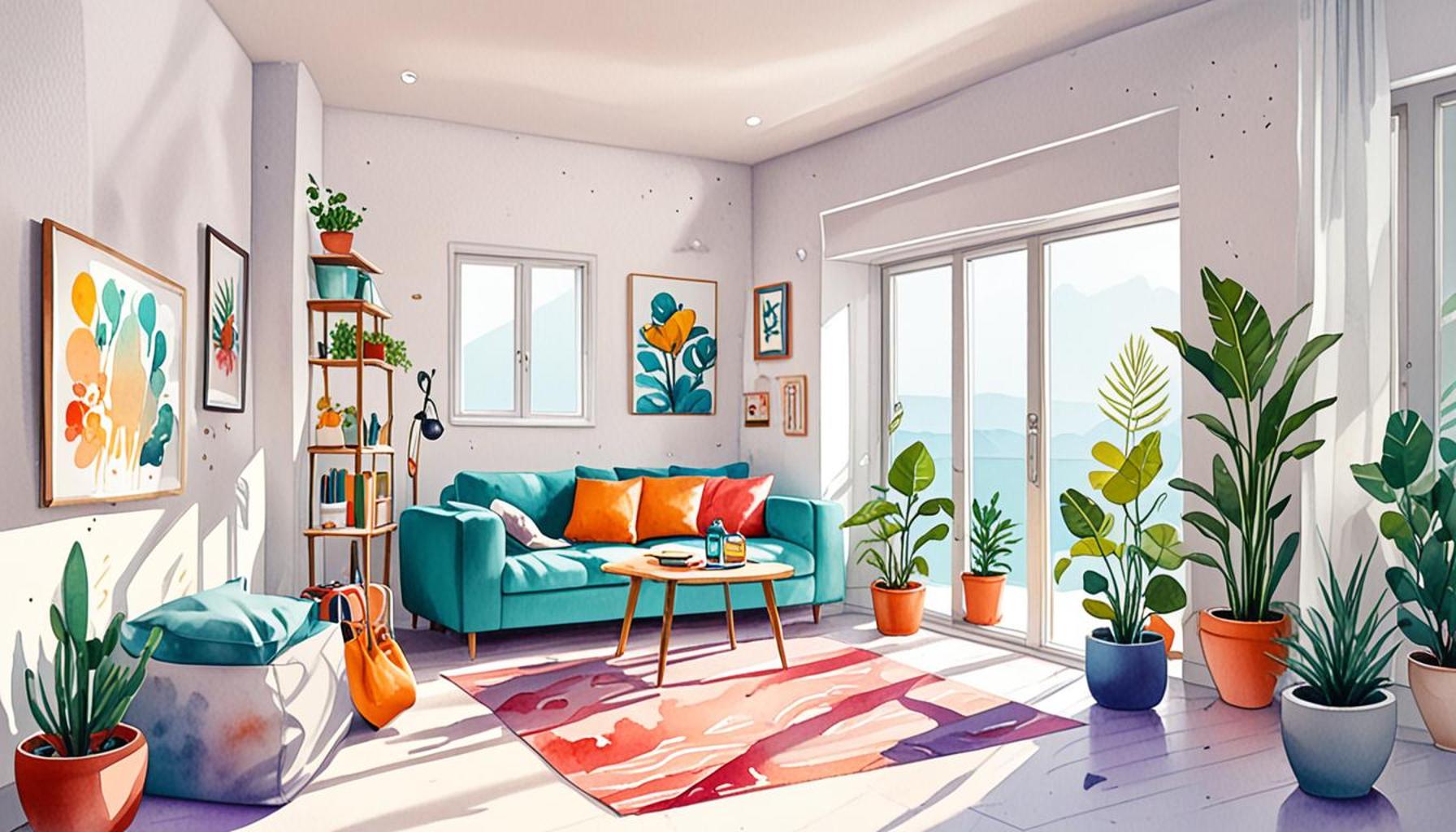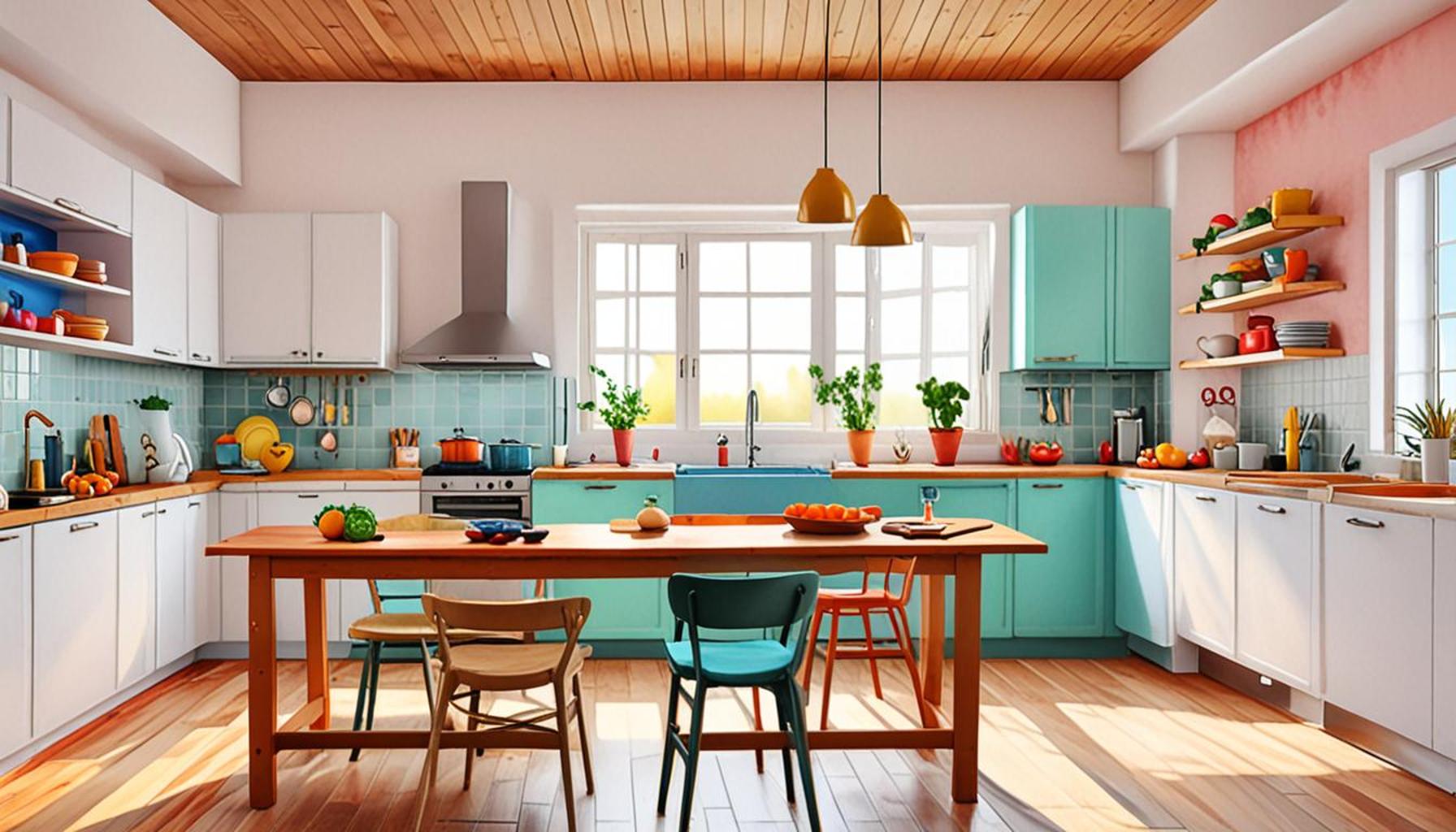
Flexible Spaces: How to Adapt Environments for Different Needs with Minimalism
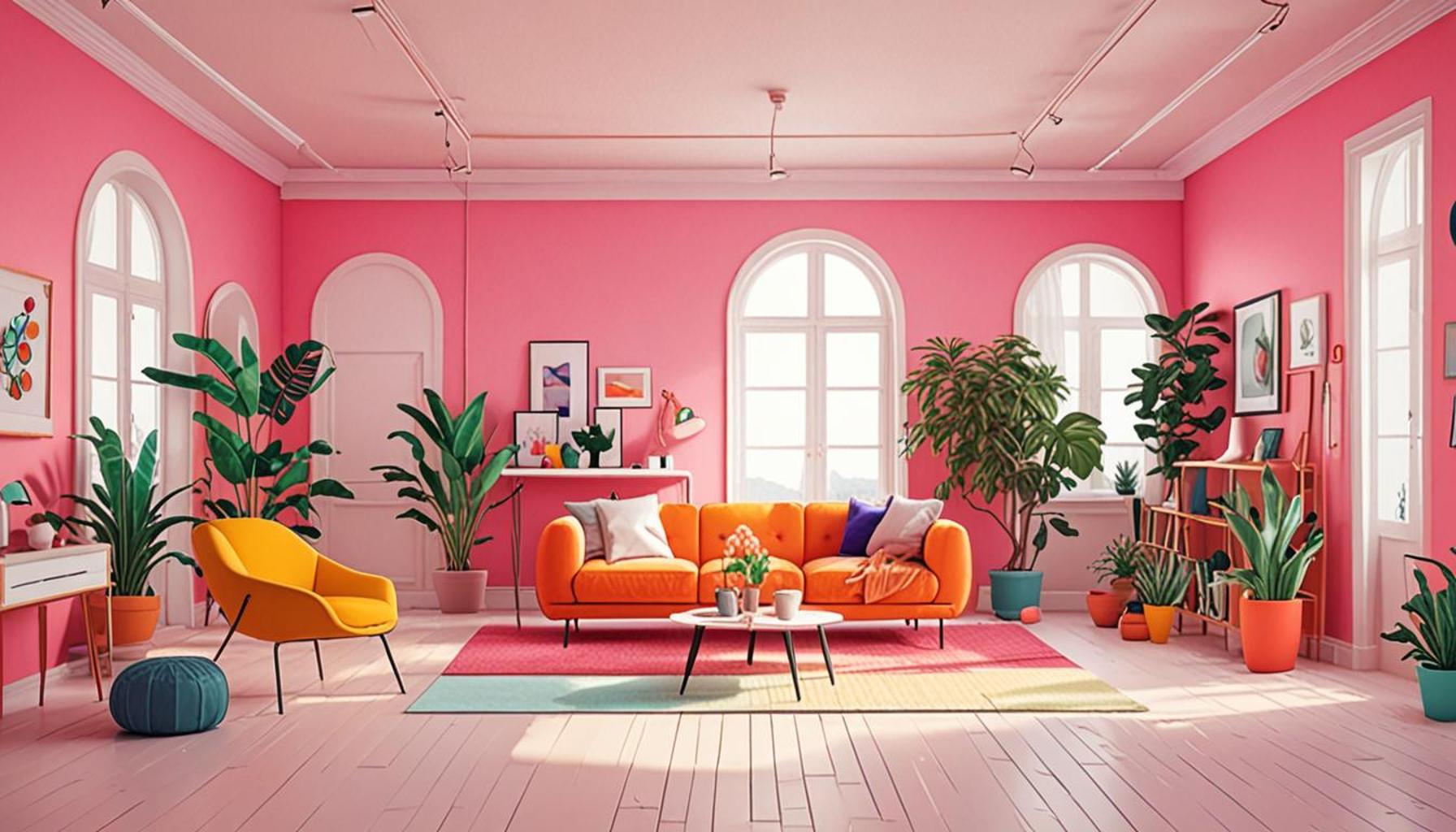
The Importance of Flexible Spaces
The concept of adaptable environments has emerged as essential in today’s rapidly evolving world. As societal norms shift, lifestyles become more fluid, and the need for spaces that conform to these changes heightens. The ability to adapt environments to meet diverse needs is becoming crucial. This transformation is not merely an aesthetic shift but a necessity for creating functional, efficient, and responsive spaces that cater to users’ various activities.
Minimalism: A Catalyst for Change
Minimalism plays a pivotal role in this evolution. By emphasizing simplicity, minimalism presents a framework to unlock the full potential of our environments. This approach creates multifunctional spaces that go beyond their initial design. For instance, a living room can seamlessly transform into a workspace during the day and revert back to a family gathering area in the evening. This versatility is of particular importance in densely populated countries like Nigeria, where urbanization is transforming how people live and work.
Benefits of Flexible Spaces
Consider the significant benefits of adopting flexible spaces:
- Maximized Space: Minimalism inherently reduces clutter, which leads to more usable areas. This is especially beneficial in Nigerian cities where space can be a luxury. Flexible furniture, such as foldable tables and stackable chairs, allows homes to expand or contract based on the occasion.
- Cost Efficiency: Simplifying the elements within a space can markedly reduce overall expenses. Investing in multifunctional furniture can lead to savings in purchasing additional pieces that serve singular purposes.
- Enhanced Functionality: The design of flexible environments makes it easy to repurpose spaces for varying activities. A café, for example, could transition into an event space for community meetings or art exhibitions when not in regular use.
Adapting to Urbanization in Nigeria
In Nigeria, the rapid pace of urbanization has led to significant changes in how residents approach their living environments. With increasing numbers of people moving to urban centers, homes, offices, and communal areas must cater to a variety of purposes—from intimate family gatherings to professional remote working environments. In cities like Lagos and Abuja, where every square meter counts, designing with flexibility in mind is not just innovative but also essential.
Preparing for Future Challenges
Designing spaces with an eye toward flexibility not only fulfills immediate requirements but also equips us to face future challenges more efficiently. As we embrace changes in technology, work habits, and social interactions, adaptable design can create spaces that evolve with us. By employing minimalistic principles, we can foster environments that are both sustainable and responsive, enhancing our quality of life.
Ultimately, the future lies in our willingness to rethink how we use our spaces. By embracing flexibility, minimalism, and responsive design, we can cultivate environments that not only meet our current needs but also anticipate the demands of tomorrow. This mindset not only enriches our physical spaces but also paves the way for a more dynamic, inclusive community in Nigeria and beyond.
RECOMMENDED: Check out this similar article
Creating Versatile Environments
In a world where lifestyles are constantly shifting, the traditional definitions of private and public spaces are blurring. Embracing flexible spaces allows us to reimagine our surroundings, turning static areas into dynamic ones that serve multiple purposes. The essence of this adaptability lies in creating environments that not only look good but also fit the practical demands of everyday life. For example, consider a spare room that traditionally functions only as a guest bedroom. With a simple redesign using minimalist principles, it could become a compact home office, a gym, or even a cozy reading nook, depending on the user’s current needs.
Design Elements to Foster Flexibility
Key design elements can help in transforming standard spaces into flexible ones. Here are some critical aspects to consider:
- Multifunctional Furniture: Invest in furniture that serves more than one purpose. Sofa beds, extendable dining tables, and storage ottomans can be excellent choices in Nigeria, where space optimization is paramount. These pieces not only save room but also provide comfort and style.
- Open Layouts: Incorporating open floor plans encourages fluid movement and interaction. Removing unnecessary walls can make a room feel larger and more inviting, facilitating various activities from family dinners to home-based meetings.
- Smart Storage Solutions: Utilizing vertical space and hidden storage keeps a space clutter-free. For instance, built-in cabinets can offer ample storage for items that would otherwise occupy valuable floor space, ensuring that the area remains functional and aesthetically pleasing.
- Adaptable Lighting: Good lighting can dramatically change the mood and utility of a space. Installing adjustable lighting options, such as dimmers or layered lighting systems, allows an area to shift from a vibrant gathering space to a serene workspace in just a flick of a switch.
Case Study: Nigerian Urban Living
As urbanization intensifies in Nigeria, the need for flexible spaces grows increasingly relevant. The modern Nigerian home needs to cater to a plethora of activities, from family time to study sessions. Innovative designs can help optimize even the smallest of apartments in bustling cities like Lagos. For instance, a popular trend among young professionals is using sliding partitions to create temporary rooms that can be opened or closed based on necessity. This allows for dynamic adjustments throughout the day, aligning with the flexibility that a contemporary lifestyle demands.
Furthermore, communal areas within residential complexes are beginning to transform as well. Instead of static lounges or hallways, developers are opting for multifunctional landscapes where residents can co-work, socialize, or exercise, creating a vibrant community atmosphere that embraces the principles of minimalism.
Embracing Minimalism for Greater Adaptability
Ultimately, adopting flexibility in design is a conscious choice that prioritizes inclusivity and innovation within our environments. By embracing minimalism, we can create spaces that are not only visually appealing but also serve diverse needs effectively. Every feature becomes significant; every item thoughtfully chosen and placed. As we move forward, reevaluating our environments through this lens can lead us toward more cohesive living that promotes well-being and enhances our lifestyles in a practical yet stylish manner.
| Advantages | Details |
|---|---|
| Space Optimization | Minimalism encourages removing unnecessary items, allowing for more efficient use of space. |
| Versatility | Adaptable furniture and layouts cater to various activities, making it easy to switch functions in a single area. |
| Enhanced Focus | A decluttered space reduces distractions, promoting productivity and clarity of thought. |
| Sustainability | Minimalism often leads to eco-friendly choices, emphasizing quality over quantity in materials and design. |
To expand further on the topic of flexible spaces, consider how different environments, from home offices to communal areas, can benefit from minimalistic principles. Investing in multifunctional furniture, such as foldable desks or movable partitions, allows spaces to transform quickly depending on current needs. Creative storage solutions that blend seamlessly into the decor can help maintain an organized atmosphere without compromising aesthetics.Moreover, incorporating natural light and open designs contributes to a sense of spaciousness and tranquility, aligning with the minimalist ethos of simplicity. As society increasingly embraces remote work and versatile living, understanding how to tailor spaces for multiple functions has never been more crucial. This holistic approach to minimalist interiors not only meets practical demands but also enhances overall well-being. Exploring these avenues further can lead to innovative solutions for both residential and commercial settings, ultimately fostering environments that support diverse activities and lifestyles.
LEARN MORE: This related article may interest you
Innovative Techniques for Flexible Living
As the concept of flexible spaces continues to evolve, several creative techniques are emerging that inspire homeowners and designers alike. This quest for adaptability thrives on clever solutions and innovative practices that bring about efficient use of space without compromising on style.
The Power of Color and Texture
The strategic use of color and texture can transform any environment into a flexible space. Light tones such as whites and pastels can make areas appear larger and more open, creating an inviting ambiance that is conducive to various activities. Additionally, incorporating different textures through textiles, furnishings, and wall finishes adds depth to a room while maintaining a minimalist aesthetic. For instance, using textured walls with woven fabric elements can seamlessly shift the feel of a space from cozy to professional, catering to both relaxation and productivity.
Mobile and Modular Solutions
The rise of mobile and modular design is another significant trend that aligns with the principles of flexibility. Modular furniture, such as sectional sofas that can be rearranged or stacking chairs for easy storage, allows individuals to modify their environments effortlessly. This is particularly relevant in Nigerian markets where changes in social gatherings or family dynamics can happen frequently. With the help of mobile partitions or foldable screens, rooms can be redefined quickly to host events, establish privacy, or create open spaces depending on specific needs.
Integrating Nature for Well-Being
Creating flexible spaces also involves harmonizing indoor environments with outdoor elements. Biophilic design, a concept that incorporates natural elements into living spaces, can enhance emotional well-being while providing adaptability. For residents in urban areas like Abuja or Port Harcourt, adding indoor plants or using large windows to invite natural light can create a soothing backdrop for any activity, from work to leisure. Plants not only purify the air but can also define areas within an open space, subtly guiding the flow from one function to another.
Technology’s Role in Flexibility
The integration of smart home technology is revolutionizing the way we experience flexible spaces. As digital solutions advance, tools like smart thermostats, automated lighting, and voice-activated systems provide instant adaptability to various environments. For example, with IoT (Internet of Things) capabilities, a living room can transform into a home theater with just a voice command, adjusting not only the lights but also the curtains and sound systems. As more Nigerians embrace these technologies, it brings forth opportunities to enjoy significant functionality while maintaining minimalist designs.
Community Engagement in Design
Involving community feedback in design processes is becoming an essential aspect of creating adaptable spaces. Public areas that reflect the needs and preferences of their users tend to foster a sense of ownership and connection. Nigerian urban planners increasingly seek input from local residents in projects, encouraging cultural relevance and sustainability in design. These collaborative endeavors can lead to innovative communal spaces that respond to various activities—from markets to social gatherings—all while remaining aligned with minimalist principles of simplicity and functionality.
YOU MAY ALSO LIKE: Read read another article
Conclusion: Embracing the Future of Flexibility
In an increasingly dynamic world, the need for flexible spaces has never been more evident. As we have explored throughout this article, innovative techniques—from the strategic use of color and texture to the implementation of mobile and modular furniture—allow us to create environments that can effortlessly adapt to meet varied needs. In Nigeria, where cultural diversity and social interactions thrive, these principles serve not just aesthetic purposes but also foster community connectivity and personal well-being.
Moreover, integrating nature through biophilic design not only enhances emotional health but reminds us of our connection to the environment. Coupled with advancements in smart technology, which streamline transitions from one activity to another, the potential for creating highly functional yet minimalist spaces is limitless. Such adaptability is pivotal for urban residents in bustling cities like Lagos or Abuja, where space is often at a premium.
Lastly, the emphasis on community engagement in design processes highlights a shift towards inclusivity, ensuring that spaces resonate with those who use them. By prioritizing user feedback, we can cultivate environments that are not only functional but also reflective of cultural nuances and communal needs.
In conclusion, as we continue to navigate the complexities of modern living, embracing minimalist principles while advocating for flexibility will pave the way for enriched living experiences. This journey into flexible spaces is both a challenge and an opportunity to redefine how we interact with our surroundings, inviting us to dive deeper into the possibilities of our everyday environments.

Beatriz
Beatriz Johnson is a seasoned minimalist and writer with a passion for simplifying the complexities of personal organization and decluttering. With over a decade of experience in the field, she specializes in topics like minimalist living, efficient organization strategies, and creating intentional spaces. Through her work, Beatriz empowers readers to make mindful decisions about their belongings, streamline their lives, and embrace a more organized and fulfilling lifestyle.