
Minimalism in the Kitchen: Strategies to Optimize Spaces and Simplify Daily Life
Understanding Minimalism in the Kitchen
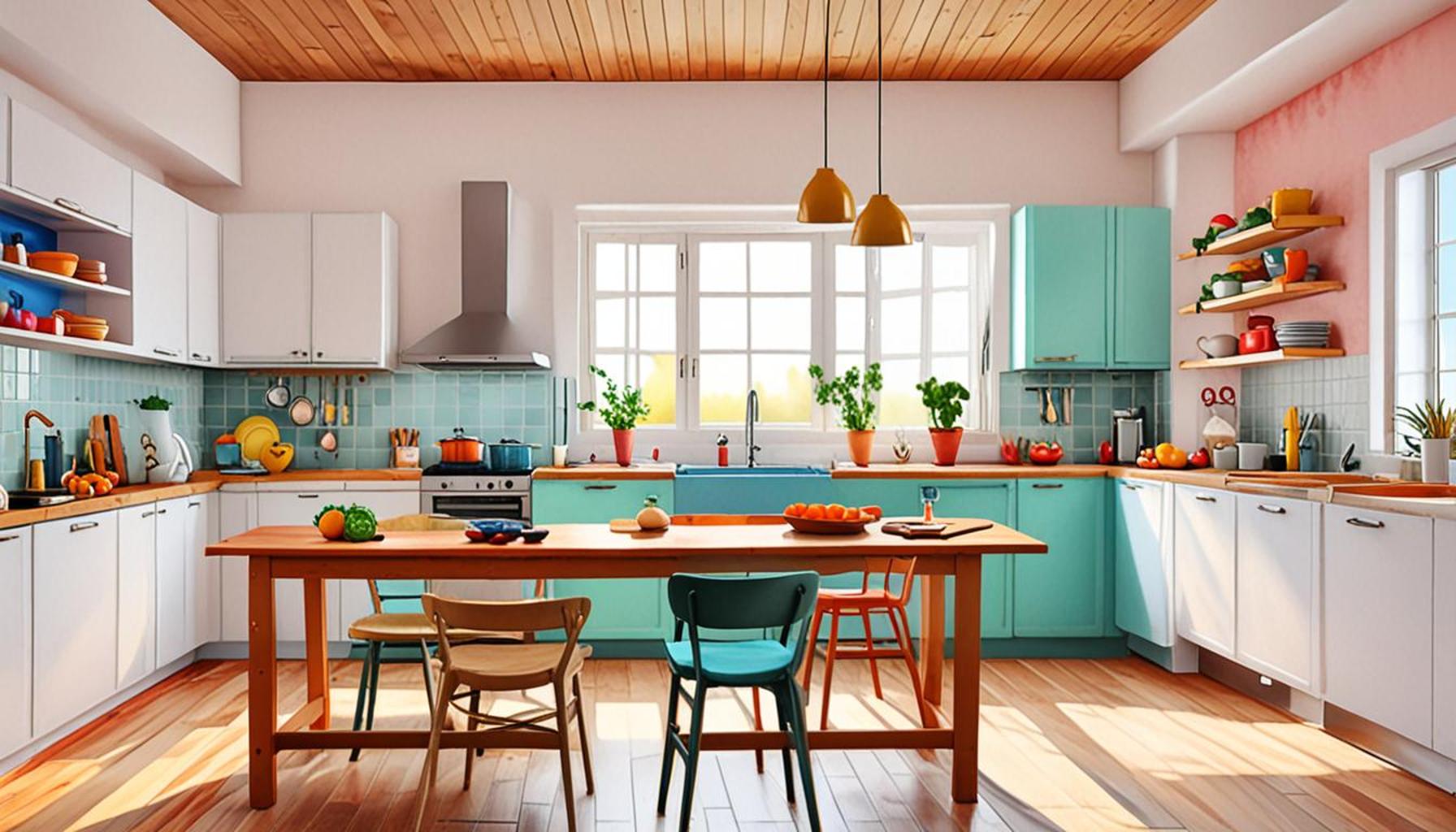
In the bustling life of everyday Nigerians, where traditional meals often require numerous ingredients and time, a chaotic kitchen can prove to be an extra hurdle. Finding joy in cooking can be a challenge when your kitchen resembles a cluttered marketplace. However, embracing minimalism offers a promising solution that not only declutters your physical space, but also paves the way for a more enjoyable culinary experience.
Benefits of a Minimalist Kitchen
When you adopt a minimalist mindset in your kitchen, you experience tangible changes that positively affect your cooking routine. Enhanced functionality is one of the top benefits. A well-organized kitchen allows you to flow seamlessly from one task to another. Imagine effortlessly moving from chopping onions for your jollof rice to frying plantains without tripping over unnecessary gadgets or ingredients.
Additionally, minimalism aids in time-saving techniques. When you have fewer items to sift through, locating your favorite cooking utensils or spices becomes a breeze. For instance, consider consolidating various cooking pots into a few multi-functional ones that can handle everything from your soups to stews, making retrieval instantaneous.
Furthermore, the impact on mental wellness cannot be overstated. A reduced stress environment characterized by tidiness has been shown to improve mental clarity. This is particularly important in kitchens where meals are not just about nourishment, but also about family gatherings, celebrations, and community bonding. An organized kitchen can enhance this social experience, allowing you to focus on the preparation and enjoyment of food rather than the chaos surrounding it.
Practical Steps to Embrace Minimalism
If you’re ready to take the plunge into minimalist cooking, begin by assessing your tools. Open your cupboards and evaluate each item meticulously. Do you really need three different blenders? Keeping only what you use regularly not only reduces clutter but also allows you to appreciate and utilize each tool to its fullest potential. Duplicate items can be donated to those in need—perhaps a neighbor or family member who has also recently embarked on their own culinary journey.
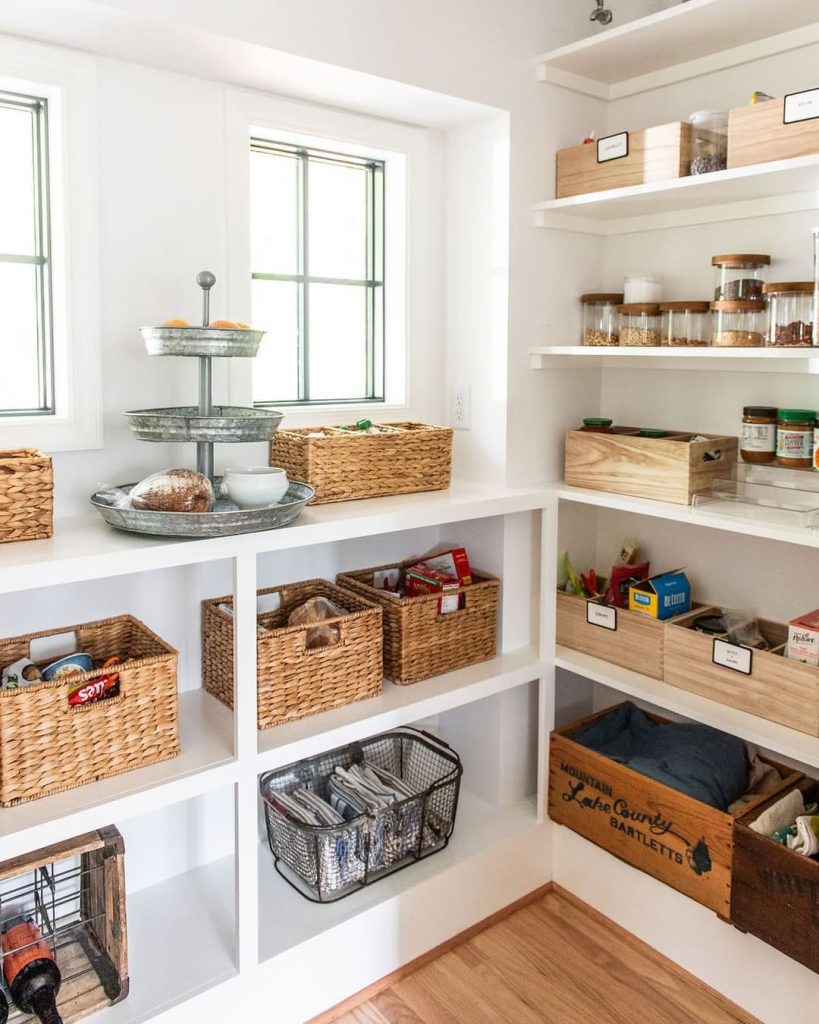
Implementing organizational systems is another pivotal step. Utilize clever storage solutions such as stackable containers or wall-mounted racks for your pots and pans. In a country like Nigeria, where space can be limited, creative storage options allow you to maximize every inch of your kitchen area effectively.
Finally, practice mindful shopping. Opt for fresh ingredients from local markets instead of pre-packaged items. This not only supports local farmers but also encourages creative cooking. For example, instead of buying instant noodles, consider preparing a wholesome dish with fresh vegetables and spices that resonate with traditional Nigerian flavors.
Ultimately, adopting a minimalist approach in your kitchen is not solely about having less; it is about enriching your experience with more clarity, enjoyment, and space to breathe. As you take these practical steps, envision your kitchen transforming into a sanctuary—a place where every meal becomes a celebration.
ADDITIONAL INSIGHTS: Expand your understanding here
Transforming Your Kitchen with Minimalism
Adopting a minimalist approach in the kitchen often calls for an intentional transformation in the way we perceive and use our cooking spaces. It’s more than just a design trend; it’s about maximizing effectiveness and rejuvenating the experience of meal preparation. In a culture rich with vibrant culinary traditions, minimalism can be a beacon guiding us away from clutter and chaos towards simplicity and clarity in our kitchens.
Decluttering for a Smoother Cooking Experience
Decluttering is the first and perhaps the most significant step toward achieving a minimalist kitchen. Evaluate every item in your kitchen: gadgets, utensils, pots, and even appliances. Aim to keep only those that serve a distinct purpose in your cooking routine. For instance, consider whether that salad spinner seen in every Nigerian kitchen is a necessity or just a lingering remnant of culinary overkill. When each item has a purpose, meal preparation becomes less about searching for tools and more about enjoying the process.
To effectively declutter, you can follow these practical tips:
- Set a decluttering date: Allocate a specific time to tackle your kitchen. Treat it like an important appointment that deserves attention.
- Can it be used for multiple functions? As you assess utensils, pots, and gadgets, prioritize items that can perform multiple tasks. For example, a good-quality chef’s knife and a sturdy cutting board can replace a multitude of specialized knives.
- Divide and conquer: Tackle one section of your kitchen at a time—be it drawers, countertops, or cabinets. You’ll find it less overwhelming and more rewarding to complete each small area.
- Be realistic: If you haven’t used an item in the last year, it may be time to consider letting it go. Repurpose, sell, or donate any items you find unnecessary.
Creating Functional Work Zones
Once you’ve tackled decluttering, the next step is to create functional work zones in your kitchen. These zones support a more efficient cooking flow, allowing for an easier transition from one task to another. For a Nigerian kitchen, setting up zones for chopping, cooking, and serving could look like this:
- Prep Zone: Dedicate space for cutting boards, knives, and food processors. This is where you will prepare all your ingredients before cooking.
- Cooking Zone: Arrange your pots, pans, and frequently used spices near the stove. Everything should be within arm’s reach to minimize movement.
- Serving Zone: Consider a designated area for serving dishes and utensils. This makes transition from cooking to dining seamless.
As you optimize these zones, it’s important to remember that less is often more. A well-organized kitchen fosters creativity, turning mundane meal preparation into a joyous occasion. Each of these strategies not only creates a visually appealing space but also enhances your overall cooking experience by reducing distractions and improving your focus.
Ultimately, minimalism in the kitchen isn’t about depriving yourself; rather, it’s about making conscious choices that elevate your joy and efficiency while cooking. As you explore these strategies, you will slowly transform your kitchen into a sanctuary that embodies the essence of simplicity and functionality—perfect for whipping up those cherished Nigerian dishes.
Effective Strategies for Embracing Minimalism in the Kitchen
Adopting a minimalist approach in the kitchen requires careful planning and an understanding of your essential cooking needs. By making deliberate choices, you can significantly optimize your kitchen space while simplifying daily routines. The following strategies will guide you in transforming your kitchen into a streamlined sanctuary:
1. Declutter Regularly
One of the foundational principles of minimalism is decluttering. Start by analyzing every item in your kitchen. Do you really need ten spatulas or three different cutting boards? By letting go of duplicates and items you hardly use, you can keep only the most vital kitchen tools. Schedule a seasonal decluttering session to ensure that your kitchen remains efficient and organized.
2. Invest in Multi-Functional Tools
Another effective strategy is to invest in multi-functional kitchen tools. For instance, consider a food processor that can slice, dice, and puree. Purchasing items that serve several purposes can reduce clutter and enhance functionality. Additionally, stackable or nesting cookware can save space while maintaining accessibility.
3. Optimize Storage Space
Take advantage of vertical space by using wall-mounted shelves or magnetic knife strips. Cabinets can be enhanced with pull-out racks and organizers to keep items easily reachable without occupying too much space. Integrating drawer dividers can also help in neatly storing utensils, making your kitchen more user-friendly.
4. Simplify Your Pantry
Keeping your pantry organized and stocked with only the essentials can prevent unnecessary purchases and reduce waste. Use clear containers to categorize ingredients, making it easier to see what you have and what you need to buy. This not only helps streamline meal preparation but also adds a visual appeal to your kitchen.
5. Establish a Minimalist Cooking Routine
Finally, adopt a minimalist cooking routine by preparing simple meals using fewer ingredients. Focus on recipes that are quick to make and utilize seasonal produce. This approach encourages creativity in the kitchen while simplifying grocery lists and meal planning.By applying these strategies, you can elevate your kitchen into a minimalist haven that promotes efficiency and simplicity in daily life. Discover the harmony and tranquility that a clutter-free environment brings, allowing you to enjoy cooking and gathering in an optimized space.
| Advantages | Key Benefits |
|---|---|
| Enhanced Space Utilization | Maximize available kitchen space by reducing clutter and configuring storage effectively. |
| Streamlined Cooking Process | Simplifying your kitchen leads to quicker meal preparations and less decision fatigue. |
SEE ALSO: Click here to read another article
Maximizing Space: Smart Storage Solutions
One of the most alluring features of a minimalist kitchen is the efficient use of space, which allows for a clean and uncluttered environment. Implementing smart storage solutions can drastically change the way you interact with your kitchen. In Nigeria, where kitchen space can sometimes be limited, these strategies can unveil hidden potential and enhance functionality.
Vertical Storage: Utilizing the Walls
Often overlooked, wall space presents an opportunity for storage that can transform the kitchen’s layout. Install shelves to store spices, cookbooks, or decorative items that inspire your culinary creativity. Magnetic strips can hold knives or spice jars, keeping them organized and easily accessible without taking up precious counter space. Additionally, consider wall-mounted racks or pegboards that can house pots, pans, and cooking utensils, allowing you to free up drawer space while creating an artistic display. This not only keeps your kitchen tidy but also injects character into the room.
Multi-functional Furniture
The adoption of multi-functional furniture can be a game changer in an organized kitchen. A portable kitchen island on wheels can serve as a prep station, a dining area, or additional storage. Similarly, stools or benches with hidden compartments can be used for seating while also providing a clever way to stash away seldom-used items. In many modern Nigerian homes, where space optimization is crucial, finding furniture that performs multiple roles can significantly enhance the cooking experience without sacrificing style.
Use Clear Containers and Labels
To maintain a minimalist pantry, use clear containers for storage. This approach not only aids in visibility but also assists in portion control and hierarchy. Labeling each container with the contents helps streamline the process of meal planning and grocery shopping. No longer will you rummage through drawers or cupboards, wasting valuable time and energy. Instead, you will have a beautiful, functional pantry at your fingertips, making it easier to whip up those beloved Nigerian dishes using familiar ingredients like rice and beans. You can also employ stackable containers to maximize vertical space and keep your pantry looking sleek.
Embrace a Minimalist Approach to Appliances
Kitchen appliances can often take up more space than necessary and create visual clutter. In your journey towards minimalism, assess the number of appliances you own and eliminate duplicates or those that serve similar purposes. A multi-cooker, for example, can replace a conventional oven, rice cooker, slow cooker, and steamer. By choosing high-quality, versatile appliances, you not only save space but also reduce energy consumption. Select carefully so that every appliance has a unique role in your culinary adventures.
As you reimagine your kitchen through the lens of minimalism, remember that the journey is about more than just aesthetics; it enhances practicality. By employing these storage solutions and rethinking your relationship with your kitchen tools, you can cultivate an environment that inspires creativity and fosters confidence in your cooking abilities. The aim is to create a sanctuary where the joys of culinary traditions thrive without the burdens of excess.
SEE ALSO: Click here to read another article
Conclusion: Embracing Minimalism for a Harmonious Kitchen
In the quest for a simplified life, adopting a minimalist approach in your kitchen can yield remarkable benefits, especially in the context of Nigeria, where space often comes at a premium. By strategically implementing smart storage solutions, utilizing vertical space, and opting for multi-functional furniture, you empower your kitchen to transcend its primary function. It becomes a space that not only serves as a cooking area but also as a hub for connection and creativity.
The use of clear containers and labels not only enhances organization but also cultivates a sense of calm amidst the hustle and bustle of daily life. An aesthetically pleasing and functional pantry encourages you to engage more with cooking, making it easier to prepare local favorites, such as jollof rice or efo riro, without feeling overwhelmed by clutter. Moreover, embracing versatile appliances ensures that your kitchen is equipped to handle diverse culinary needs without accumulating unnecessary gadgets.
Ultimately, minimalism in the kitchen is about redefining what efficiency and simplicity means in your cooking space. It’s an invitation to declutter both physical items and mental load, allowing you to focus on what truly matters: nourishing yourself and your loved ones. As you embark on this journey of minimalism, remember that each small change contributes to a larger vision of a more tranquil and enjoyable home life. Dive deeper into the world of minimalist kitchens, and discover how a thoughtful approach to space can enhance not only your culinary skills but also your overall well-being.