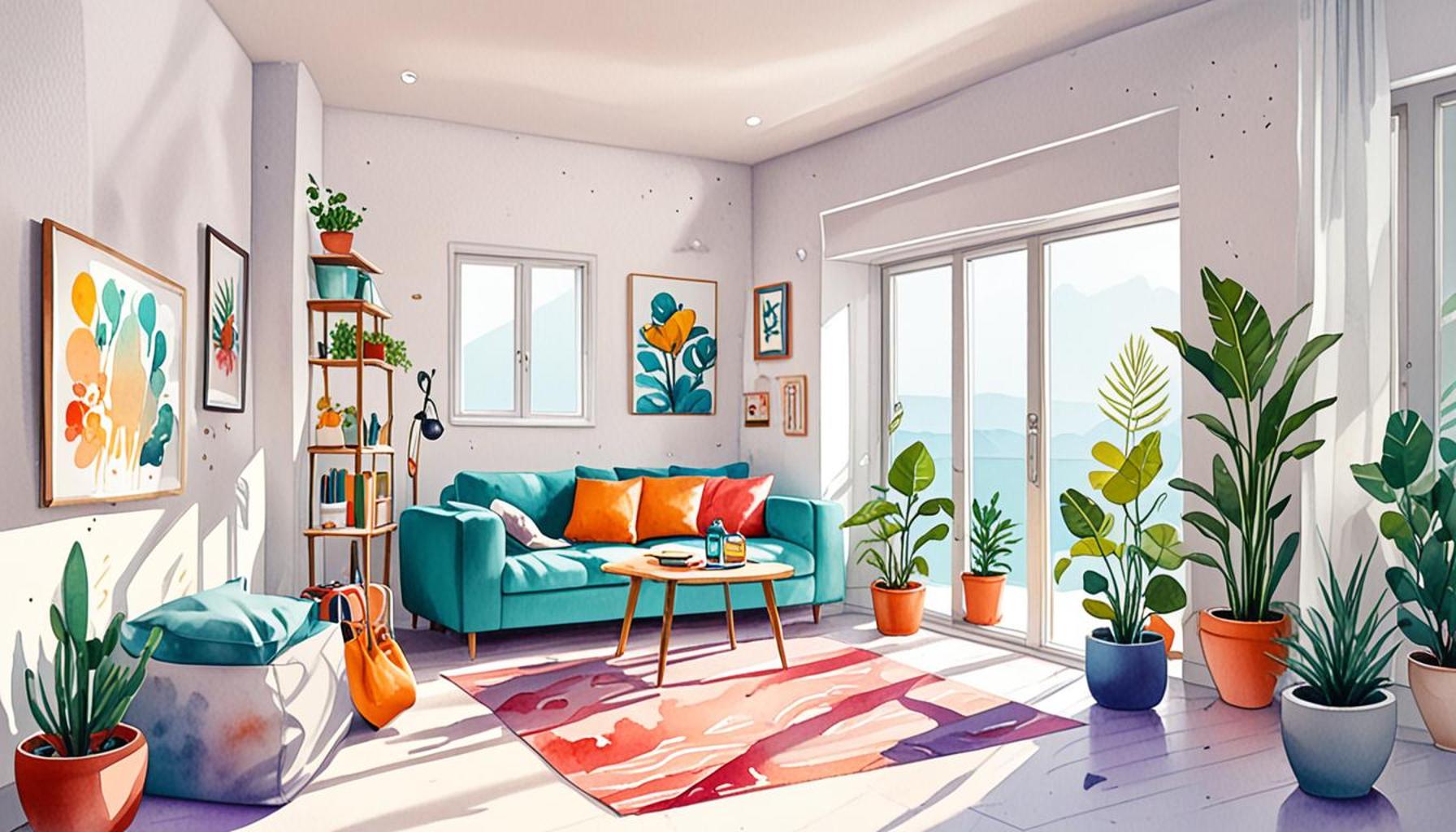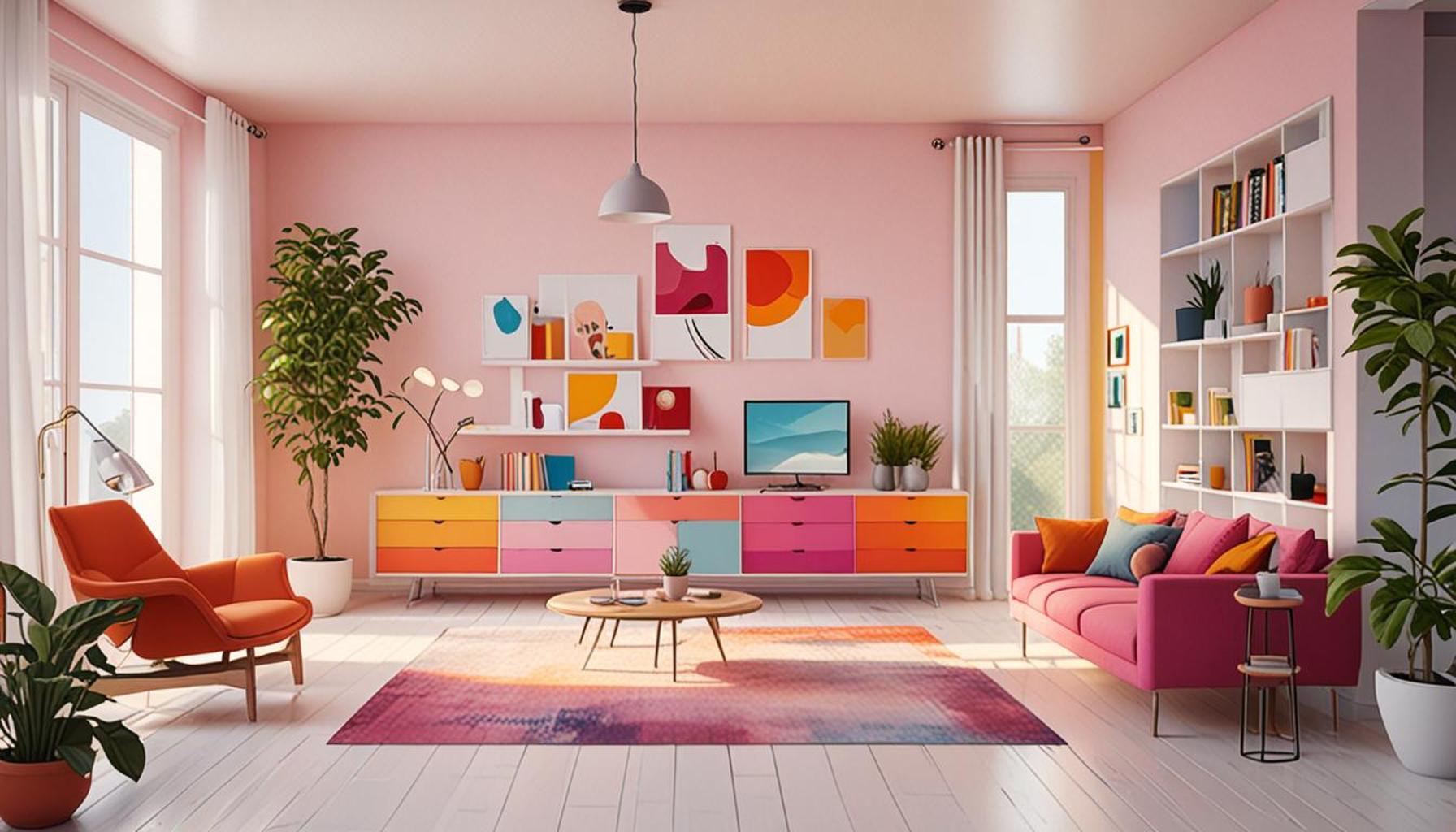
Sustainability and Minimalism: How to Optimize Spaces Using Recyclable Materials and Ecological Solutions

Understanding Sustainability and Minimalism
As global awareness about environmental impact heightens, the concepts of sustainability and minimalism have surged to the forefront of design and living choices. More people are becoming conscious of how their surroundings affect both the planet and their mental well-being. In a rapidly urbanizing environment such as Nigeria, where the challenges of waste management and overconsumption are prevalent, these concepts offer practical pathways towards healthier living.
The Importance of Local Materials
In Nigeria, the potential for sustainable growth is immense, especially when leveraging local materials. The rich array of natural resources available can not only reduce the ecological footprint but also support local economies by providing jobs and stimulating craftsmanship. Implementing practices that utilize recyclable materials can profoundly influence not only individual spaces but also entire communities.
- Recycled Plastics: Innovative uses for recycled plastics are emerging, from vibrant furniture crafted from repurposed bottles to durable flooring that can withstand the hustle and bustle of family life. For instance, companies around Lagos are beginning to produce stylish outdoor furniture made from waste plastics, demonstrating that sustainability can be both functional and fashionable.
- Natural Fabrics: In recent years, materials like organic cotton and jute have gained traction for eco-friendly home décor. These fabrics are not only devoid of harmful chemicals, but they also promote sustainable agriculture, benefitting Nigerian farmers who adopt organic practices. Items such as jute rugs or organic cotton curtains offer a touch of nature while supporting ethical production chains.
- Local Resources: The use of traditional materials such as clay and bamboo aligns with the principles of minimalism and sustainability, offering unique and culturally relevant options. Crafting pottery from local clay or designing furniture using bamboo can enhance living spaces while preserving Nigeria’s rich heritage of craftsmanship.
The Minimalist Approach
Adopting ecological solutions enhances the habits we form in our living spaces. By prioritizing essential elements and removing excess, a minimalist approach not only promotes a tranquil environment but also encourages an intentional lifestyle. This can manifest in various ways, such as curating a home with fewer but more meaningful items, or creating a garden with native plants that require minimal care and resources.
Moreover, understanding the balance between functionality and aesthetics plays a crucial role. A well-organized space can reduce stress and promote clarity, ultimately improving one’s quality of life. With the rising popularity of minimalism, there is also a shift towards digital minimalism, where individuals seek to declutter their online presence and engage more mindfully with technology.
Join us as we explore practical ways to harmonize sustainability with minimalism, uncovering the benefits of optimizing our spaces while being mindful of our ecological footprint. The journey towards a sustainable and minimalist lifestyle is not only enriching but also imperative for a healthier planet.
CHECK OUT: Click here to explore more
Leveraging Recyclable Materials in Sustainable Design
As the conversation around sustainability deepens, incorporating recyclable materials into our living spaces becomes increasingly vital. This practice not only diminishes waste but also champions the principles of minimalism by emphasizing the value of thoughtful consumption and resourcefulness. In Nigeria, where urbanization rates are soaring, utilizing materials that recycle well can transform our homes into eco-friendly sanctuaries.
Innovative Solutions for Waste Management
One of the most pressing challenges faced by Nigerian cities is the management of waste. By rethinking how we design our spaces with recyclable materials, we can drastically reduce this burden. Embracing concepts like waste-to-value can lead to creative solutions that turn everyday refuse into stunning décor and functional items. Aspiring designers and homeowners can take several steps to make this transition:
- Upcycling Initiatives: An emerging trend in Nigeria is the upcycling of waste materials. Old glass bottles can be transformed into chic lamps, while discarded wood pallets become stunning furniture pieces. This not only contributes to less waste in landfills but also adds a unique, personalized touch to one’s home.
- Community Recycling Programs: Joining local community initiatives focused on recycling can yield great benefits. These programs often organize workshops to educate participants on how best to repurpose materials, fostering a spirit of collaboration and shared responsibility for the environment.
- Product Design Innovations: Numerous Nigerian entrepreneurs have begun exploring innovative design opportunities using recycled materials. From artists creating intricate sculptures from scrap metal to companies that produce stylish accessories from upcycled textiles, these endeavors exemplify the potential of recycled materials in creative industries.
Creating Functional Minimalist Spaces
With sustainability in mind, a minimalist approach in design serves to streamline not only physical spaces but also mental clarity. By prioritizing function over excess, individuals can create environments that promote peace and well-being. For instance, opting for multifunctional furniture allows for a more organized living space, reducing clutter while enhancing utility.
Moreover, integrating local, sustainable products into our homes can elevate this minimalist ethos. Imagine a living room furnished with locally crafted wooden chairs made from reclaimed wood, paired with a simple, organic cotton couch. This natural aesthetic not only contributes to a serene atmosphere but also supports local artisans and reduces reliance on imported goods.
As individuals rethink their spaces through the lens of sustainability and minimalism, a rich tapestry of possibilities unfolds. By embracing recyclable materials and ecological solutions, Nigerians can inspire change that transcends individual homes and ultimately fosters a community committed to a more sustainable future.
| Advantage | Description |
|---|---|
| Eco-Friendly Design | Utilizing recyclable materials leads to a smaller carbon footprint, promoting a healthier environment. |
| Cost Efficiency | Investing in ecological solutions often lowers long-term expenses by reducing waste and energy consumption. |
The synergy between sustainability and minimalism presents an innovative approach to space optimization, emphasizing the importance of environmentally conscious materials. Eco-friendly design isn’t merely a trend; it’s a vital aspect of contemporary architecture. By opting for recyclable materials, designers and homeowners can substantially reduce their ecological impacts, contributing positively to our planet.Moreover, with the rise of sustainable living, many individuals find that choosing ecological solutions significantly enhances their quality of life. For instance, natural insulation methods not only improve energy efficiency but also create healthier indoor environments by minimizing the use of harmful chemicals often present in traditional building materials.In terms of financial benefits, there’s a growing awareness that initial investment in green technologies can lead to significant long-term savings. From reduced utility bills to potential tax rebates, the advantages are compelling and call for a deeper exploration of sustainable practices in everyday life. What’s more, as awareness around the impact of traditional materials rises, the demand for spaces that prioritize both function and eco-consciousness continues to grow, shaping the future of our living environments.
ADDITIONAL INSIGHTS: Expand your understanding here
Embracing Effective Ecological Solutions
In the journey toward sustainability, ecological solutions play an essential role. By aligning our designs with the natural environment, we not only enhance the aesthetic appeal of our spaces but also foster a healthier ecosystem. In Nigeria, where environmental challenges such as deforestation and pollution are prevalent, adopting ecological practices in home design becomes crucial.
Green Energy Solutions
The integration of green energy solutions is a powerful step toward sustainable living. Installing solar panels provides an efficient and renewable energy source, significantly reducing reliance on fossil fuels while cutting electricity costs. With Nigeria’s abundant sunlight, this solution is particularly advantageous. Homeowners can further enhance their energy efficiency by implementing smart energy management systems that monitor and regulate energy consumption, contributing to a more conscious use of resources.
Water Conservation Technologies
Water scarcity is a growing concern, especially in urban areas. Implementing water conservation technologies in homes not only aids in preserving this invaluable resource but also aligns with the principles of minimalism by minimizing waste. Rainwater harvesting systems can be an effective solution, allowing homeowners to collect and utilize rainwater for irrigation or non-potable uses. Additionally, incorporating water-efficient fixtures, such as low-flush toilets or aerated faucets, can significantly reduce water consumption while maintaining functionality.
Utilizing Natural Materials
Incorporating natural materials into home designs can enhance sustainability while supporting a minimalistic lifestyle. For instance, using bamboo—a highly renewable resource—offers an eco-friendly alternative to traditional hardwoods. It can be employed in flooring, cabinetry, and even decorative elements. Likewise, clay and mud bricks, popular in various Nigerian cultures, can be used to create durable and aesthetically pleasing walls that provide natural insulation and regulate indoor temperatures.
Indoor Air Quality Improvement
Another critical aspect of creating a sustainable and healthy home environment is improving indoor air quality. Utilizing non-toxic paints and finishes promotes a healthier atmosphere, as these options emit fewer volatile organic compounds (VOCs) compared to traditional counterparts. Incorporating indoor plants can also contribute significantly to air purification, as they naturally filter pollutants while adding life and a sense of tranquility to the space. Nigeria’s wealth of indigenous plants provides abundant options, from snake plants to spider plants, for homeowners to choose from.
Building Community Around Sustainability
Fostering a culture of sustainability extends beyond individual homes; it includes building community ties that celebrate sustainable living. Local farmer’s markets, environmental workshops, and community gardens are excellent platforms for individuals to share knowledge and resources. Additionally, food co-ops that emphasize locally sourced produce reduce the carbon footprint associated with food transportation, all while promoting healthier living choices.
As the push for sustainability gains momentum, the convergence of ecological solutions and minimalist design offers a pathway toward a more conscious way of living. By reevaluating our choices and seeking greener alternatives, we pave the way for healthier environments, sustainable economies, and a future that honors the delicate balance between humanity and nature.
CHECK OUT: Click here to explore more
Conclusion: The Path Forward in Sustainable Minimalism
As we reflect on the intersection of sustainability and minimalism, it becomes clear that adopting ecological solutions is not merely an option but a necessity. The principles discussed throughout this article—ranging from green energy solutions and water conservation technologies to the integration of natural materials and indoor air quality improvement—invite us to reimagine our living spaces. In Nigeria, where environmental challenges loom large, embracing these practices will not only enhance our quality of life but also contribute to the preservation of the planet.
By prioritizing recyclable materials and environmentally-friendly designs, we cultivate spaces that reflect conscious living. This shift not only lessens our ecological footprint but also fosters a deeper connection to our surroundings. The act of simplifying our lives through minimalism—removing unnecessary clutter and focusing on what truly matters—serves as a powerful catalyst for personal and communal change.
Moreover, as we build community around sustainability, we unlock the potential to share resources, knowledge, and support networks, thereby amplifying our impact. Initiatives like community gardens and local workshops can serve as springboards for inspiring collective action. When communities come together to champion ecological practices, even the smallest efforts can lead to significant change.
In conclusion, the journey toward a sustainable future is multifaceted, requiring commitment and creativity. By integrating ecological solutions into our daily lives, we are not just optimizing spaces; we are paving the way for a harmonious coexistence with nature. As we take these steps, let us inspire one another, igniting a culture of sustainability that will resonate for generations to come.

Beatriz
Beatriz Johnson is a seasoned minimalist and writer with a passion for simplifying the complexities of personal organization and decluttering. With over a decade of experience in the field, she specializes in topics like minimalist living, efficient organization strategies, and creating intentional spaces. Through her work, Beatriz empowers readers to make mindful decisions about their belongings, streamline their lives, and embrace a more organized and fulfilling lifestyle.