
The Rise of Generative Artificial Intelligence and its Impact on the Job Market
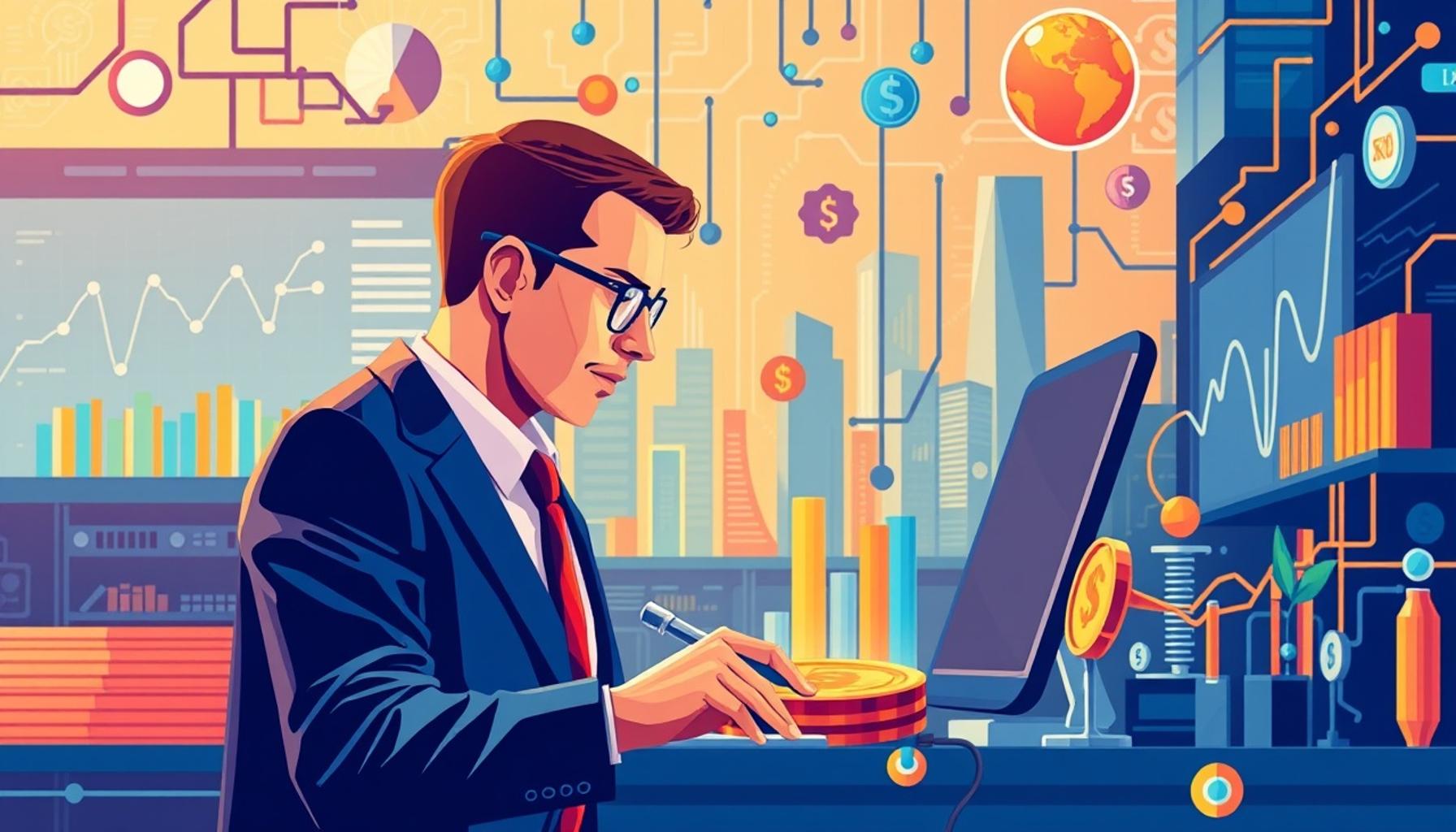
Understanding Generative AI’s Impact on Employment
The rise of generative artificial intelligence (AI) represents a seismic shift in various industries, from technology to healthcare and manufacturing. As these AI systems evolve, their impact on the job market becomes increasingly pronounced, triggering a wave of discussions regarding the future of employment.
Generative AI refers to a subset of artificial intelligence that can autonomously create content, designs, and solutions based on input data. This technology has been making waves in practical applications. For example, chatbots powered by generative AI can effectively engage customers, not just providing basic information but also resolving complex inquiries in a conversational manner. These bots are widely used across businesses, from tech support to retail, enhancing customer experience and efficiency.
Another fascinating application is found in AI-driven art programs, which have revolutionized the creation of visual content. These programs can generate illustrations, designs, and even music based on user prompts, enabling artists to explore new creative territories and expand their repertoire without having to start from scratch. For instance, platforms like DALL-E and Midjourney allow users to input text and receive stunning images, demonstrating the blend of creativity and technology.
Moreover, automated writing tools such as Grammarly and OpenAI’s ChatGPT assist writers in content creation by providing grammar checks, style suggestions, and even generating entire articles based on given topics. This not only augments the writing process but also allows creators to focus on higher-level ideas rather than getting bogged down in the minutiae of language mechanics.
This extraordinary growth of generative AI raises some critical questions regarding employment opportunities. One major concern is the potential for job displacement in certain sectors. For example, positions that involve routine data entry or basic pattern recognition may be at higher risk as AI systems become more adept at handling these tasks more quickly and accurately than human workers.
However, alongside these challenges lies the necessity for reskilling and upskilling the workforce. As demand for AI literacy increases, workers will need training in new skills relevant to collaborating with AI technologies. Education systems and companies are already adapting by integrating AI curriculum and training programs that focus on problem-solving and critical thinking, positions that AI cannot easily replicate.
Additionally, the advent of AI technologies is also paving the way for new job roles that prioritize managing and overseeing these systems. Opportunities are emerging in fields such as AI ethics, oversight, and data stewardship, where professionals ensure that AI deployment aligns with legal and ethical standards while also maximizing efficiency and innovation.
As we explore the ramifications of generative AI, it is crucial for both workers and employers to prepare for this evolving labor landscape. Understanding its implications not only empowers individuals to adapt but also helps organizations to harness the full potential of these technologies responsibly and thoughtfully. The future of work is undoubtedly changing, and embracing these changes offers immense opportunities if navigated wisely.
LEARN MORE: Click here for essential protection tips
The Dual Nature of Generative AI: Opportunities and Risks
As generative AI continues its rapid advancement, it invites both opportunities and risks across the job market. Understanding these dynamics is essential for workers, employers, and policymakers alike as they navigate the changing landscape of employment.
On one hand, generative AI has the potential to enhance productivity significantly. By automating repetitive tasks and facilitating creative processes, businesses can streamline operations and free up human workers to focus on more complex responsibilities. This is particularly true in sectors such as marketing and advertising, where AI can analyze massive datasets to generate tailored content and advertising strategies. For instance, tools that generate personalized email campaigns can enhance customer engagement without requiring extensive manpower.
However, this increase in efficiency often comes with downsizing in certain roles. It is essential for workers to acknowledge that as AI systems replace lower-skill jobs, **resilience** and **adaptability** will become key assets in the job market. Positions heavily reliant on routine operational tasks—like some forms of data entry or traditional graphic design—may experience a decline as these functions become increasingly automated. As we see it, the following categories of jobs could face potential disruption:
- Data Entry Clerks: AI’s ability to process and input data quickly can render many of these roles obsolete.
- Marketing Analysts: Generative AI tools can assess market trends and customer behaviors more efficiently than traditional analysts.
- Graphic Designers: Automated design tools can create impressive visuals, reducing the need for manual design work.
Yet it is crucial to recognize that generative AI is not merely a replacement tool; it also creates new *job opportunities* that did not previously exist. For example, as more organizations integrate AI into their workflows, a demand for specialists in AI ethics and governance emerges. These professionals are tasked with ensuring that the deployment of AI technologies adheres to ethical standards, which is paramount in today’s data-driven world. Additionally, roles that focus on data curation and management are becoming increasingly vital as organizations look to harness the insights generated by AI systems.
Furthermore, the expansion of generative AI technologies offers a chance for individuals to pivot their careers toward higher-value skills. Workers who are willing to embrace continuous learning and reskilling will find opportunities in sectors like artificial intelligence development, data science, and customer experience management. Educational institutions and companies are now investing in training programs that emphasize AI literacy and critical thinking skills, equipping the workforce with the necessary tools to thrive in an AI-enhanced job market.
In conclusion, as we delve deeper into the implications of generative AI on employment, it becomes increasingly clear that while challenges exist, they are accompanied by significant opportunities. The need for proactive adaptation and a forward-thinking mindset is essential for individuals aiming to succeed in an ever-evolving landscape driven by artificial intelligence.
DON’T MISS OUT: Click here to learn about the latest cyber threats
Transforming Skills and the Workforce: Embracing the New Reality
The conversation surrounding the impact of generative AI on the job market cannot be complete without discussing the transformation of skills that workers must embrace to remain relevant and competitive. Traditional educational pathways are being scrutinized as the learning landscape rapidly evolves, necessitating a shift toward skill-based hiring and continuous learning.
As generative AI models become entrenched in various industries, the demand for *soft skills* is amplifying. Employers are increasingly looking for creativity, problem-solving abilities, and emotional intelligence—qualities that are inherently human. For example, in sales roles, professionals who can leverage AI insights to forge authentic connections with clients will stand out more than those who solely depend on technology. This underscores the value of interpersonal skills in achieving business success, as AI cannot replicate the nuanced understanding of human relationships.
Moreover, the focus is shifting toward *upskilling* and *reskilling* initiatives. Companies are now recognizing that their employees are their most valuable asset, and investing in their growth is essential. For instance, major corporations like Amazon and Microsoft are leading by example, providing opportunities for their employees to learn about AI and thus prepare them for future roles. Online platforms such as Coursera and LinkedIn Learning are also prominent in this context, offering courses specifically designed for workers looking to acquire AI-related skills. These moves highlight a growing trend where adaptability and lifelong learning become essential components of career longevity.
The integration of generative AI also necessitates the emergence of new educational programs that blend traditional disciplines with cutting-edge technology. For example, institutions might offer degrees in *data science and AI applications*, combining knowledge of computer algorithms with industry-specific insights. This interdisciplinary approach can prepare graduates not just to fill existing roles but to innovate and develop new job categories that arise from AI advancements.
Importantly, as workers transition into AI-enhanced roles, challenges related to ethical implications and job displacement must be addressed. This is where *collaboration* between various sectors—education providers, businesses, and governments—becomes vital. Policymakers are increasingly called upon to create frameworks that protect workers through retraining initiatives, ensuring fair transitions into new job opportunities. They must also tackle issues such as wage disparity and job security in an AI-driven economy, ensuring that the benefits of these technologies extend to all segments of the workforce.
- Upskilling and Reskilling: Engaging in continuous education is key for career development, with a focus on AI literacy and advanced problem-solving skills.
- Soft Skills: Attributes such as empathy and effective communication will be increasingly sought after, as they are difficult for AI to replicate.
- Ethical Oversight: The establishment of ethical frameworks for AI implementation is essential, requiring cooperation with experts across various fields.
The overall landscape of the job market is shifting rapidly as generative AI paves the way for new modes of working and thinking. The keys to success for individuals lie in their ability to adapt, learn quickly, and leverage both technical and interpersonal skills in a transformed workforce. This evolution is not merely a disruption but an invitation to innovate and rethink the future of work.
DISCOVER MORE: Click here to find out how
Conclusion: Charting a New Course in Employment
As we stand on the brink of a new era defined by generative artificial intelligence, it is clear that the ripple effects on the job market will be profound and far-reaching. While the potential for job displacement exists, the opportunities for innovation, creativity, and the creation of entirely new roles cannot be overlooked. This transformation is not just about technological advancements; it is also about redefining the skill sets necessary to thrive in this evolving landscape.
The blend of technical proficiency and soft skills will become the hallmark of a successful workforce. As companies prioritize adaptability and lifelong learning, individuals must take charge of their professional development. Embracing upskilling and reskilling initiatives will be essential in navigating the complexities of modern job roles. Educational institutions and policymakers must play a pivotal role, ensuring that workers are equipped with the tools and knowledge needed to transition smoothly into this AI-enhanced world.
Furthermore, addressing the ethical considerations surrounding AI will be paramount for creating a fair and inclusive job market. Collaborations among businesses, educational entities, and government agencies stand to ensure that the benefits of AI are equitably distributed, allowing workers from all backgrounds to share in its advantages.
In conclusion, the rise of generative AI invites us to rethink not only how we work but also how we learn and grow within our careers. By fostering resilience, creativity, and ethical practices, we can collectively shape a future where technology augments human potential rather than diminishes it. The onus is on all of us to seize this opportunity and craft a job market that is inclusive, dynamic, and prepared for the challenges ahead.

Linda Carter
Linda Carter is a writer and expert known for producing clear, engaging, and easy-to-understand content. With solid experience guiding people in achieving their goals, she shares valuable insights and practical guidance. Her mission is to support readers in making informed choices and achieving significant progress.