Menu

The Rise of Sustainable Technologies in Response to Climate Change

The article explores the rise of sustainable technologies in response to climate change, highlighting advancements in renewable energy, energy efficiency, transportation, waste management, and innovative solutions like AI and carbon capture. It emphasizes the critical role these technologies play in fostering economic growth and building a sustainable future.

The Evolution of Cybersecurity in Times of Geopolitical Crises

As geopolitical crises escalate, cybersecurity's evolution highlights the growing need for adaptive strategies. Sophisticated threats demand collaboration, advanced technologies, and robust regulations. Understanding historical contexts and emerging trends is crucial for organizations and governments to enhance digital defenses, ensuring resilience against dynamic cyber threats in an interconnected world.

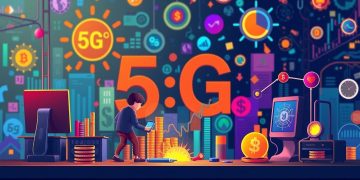
The Influence of 5G Networks on the Transformation of Remote Work

5G networks are revolutionizing remote work by enhancing connectivity, speeding up collaboration, and enabling real-time communication. This technological advancement fosters greater productivity, flexibility, and innovative applications, ultimately transforming work dynamics and allowing businesses to adapt to a more interconnected future. Embracing 5G will reshape the remote workforce experience.

The Role of Blockchain Technology in Government Transparency

Blockchain technology is revolutionizing government transparency by providing immutable records, public access to information, and decentralization. These features enhance accountability and empower citizens to engage with their governments meaningfully. Real-world implementations demonstrate its potential to foster trust, streamline processes, and reduce corruption in public service.

The Impact of Artificial Intelligence on American Elections

Artificial Intelligence is significantly transforming American elections by enhancing data analysis, targeted advertising, and voter outreach. AI tools improve campaign strategies, personalize voter engagement, and promote accessibility, ultimately fostering a more informed electorate. However, this evolution raises critical concerns about misinformation and data privacy in the democratic process.

The Evolution of User Interfaces: From Touch to Voice Commands and Facial Recognition

User interfaces have evolved dramatically, transitioning from touch controls to voice commands and facial recognition. This shift enhances user engagement, accessibility, and personalization, making technology more intuitive. Future innovations like gesture recognition and emotional intelligence promise to further enrich our interactions with digital devices, seamlessly integrating technology into everyday life.

Digital Sustainability: Technological Innovations to Reduce the Ecological Footprint

Digital technology plays a crucial role in enhancing sustainability by reducing ecological footprints across various industries. Innovations like smart grids, cloud computing, and IoT devices promote efficient resource use, while advancements in renewable energy and smart waste management facilitate a shift toward a circular economy, fostering economic growth alongside environmental stewardship.

The Role of the Internet of Things in the Transformation of Smart Cities

The Internet of Things is revolutionizing urban living by enhancing the efficiency, sustainability, and mobility of smart cities. Through real-time data integration, cities are optimizing transportation, energy use, and public safety, fostering a connected environment that improves residents' quality of life while promoting eco-friendly practices.

Blockchain Beyond Cryptocurrencies: Innovative Applications in Industry

Blockchain technology is revolutionizing various industries beyond cryptocurrencies, enhancing transparency, security, and efficiency. Its applications in supply chain management, healthcare, finance, voting systems, and more highlight its transformative potential. Organizations adopting blockchain solutions can streamline operations and foster greater trust, paving the way for future innovation across sectors.


Augmented and Virtual Reality: The New Paradigm for Digital Entertainment

Augmented Reality (AR) and Virtual Reality (VR) are transforming digital entertainment by enhancing storytelling, gaming, and social interactions. These technologies create immersive experiences that engage users actively, blending real and digital worlds. As they evolve, AR and VR promise to redefine how we create and consume content across various mediums.