The Impact of Cyberattacks on Small and Medium Enterprises: Defense and Resilience Strategies

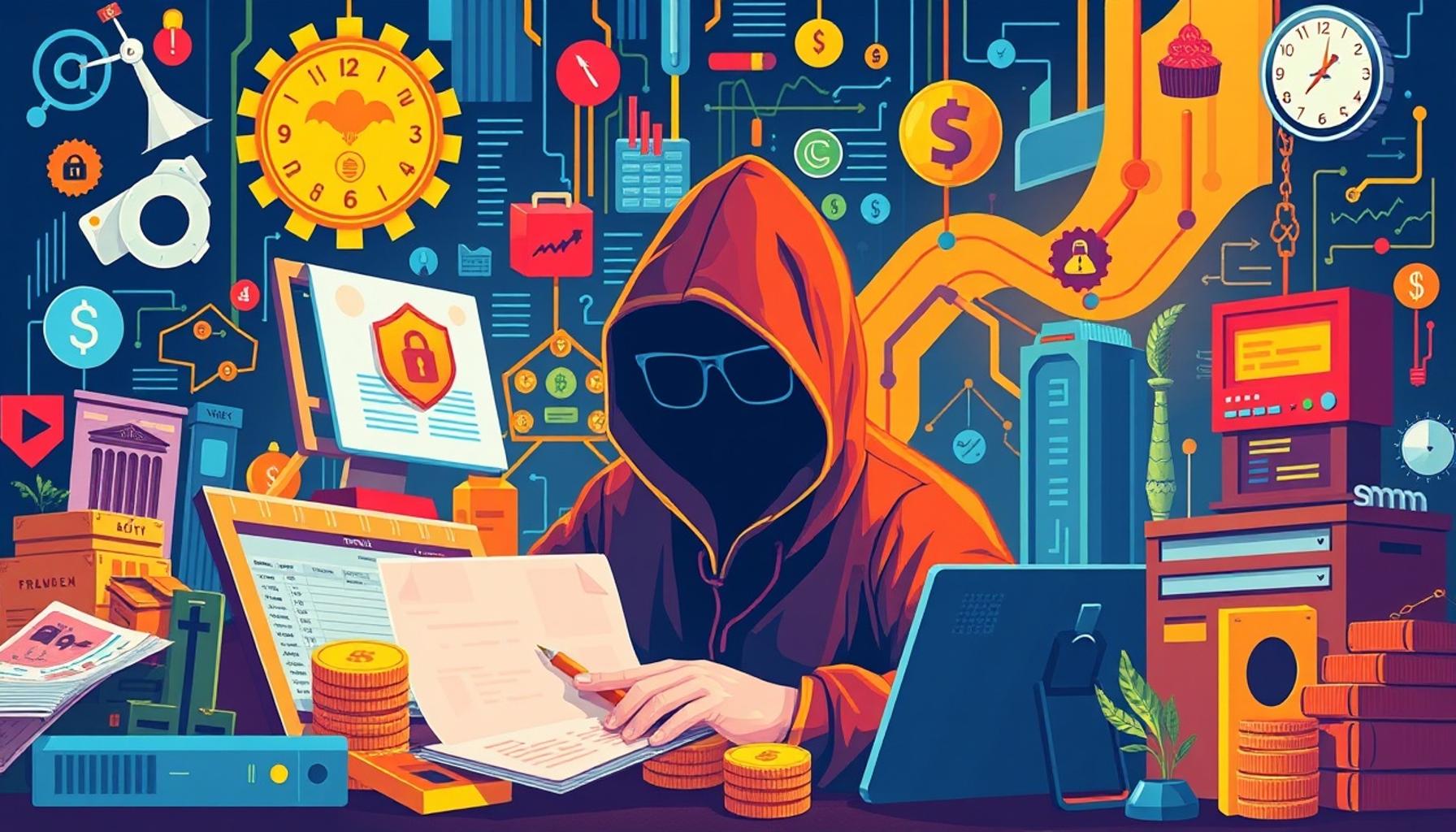
Small and medium enterprises (SMEs) play a crucial role in the economy, often serving as the backbone of their communities. They offer unique products and personalized services, but as the digital world expands, so do the risks associated with cyber threats. Understanding these risks is paramount for SMEs, as the consequences of a successful cyberattack can be incredibly damaging.
Types of Cyber Threats Facing SMEs
SMEs face a myriad of cyber threats, each with distinct characteristics. Common types include:
- Phishing Attacks: These involve fraudulent emails that trick employees into revealing sensitive information like passwords or banking details. For example, an employee might receive an email that appears legitimate, asking them to log into an account, only to inadvertently provide their credentials to an attacker.
- Ransomware: In this type of attack, malicious software encrypts a company’s data, with hackers demanding payment in exchange for the decryption key. The infamous WannaCry ransomware attack of 2017 is a high-profile example that affected thousands of organizations worldwide, including SMEs, forcing many to halt operations.
- DDoS Attacks: Distributed Denial of Service attacks flood a business’s online services with traffic, rendering them inaccessible. This can disrupt sales, customer service, and damage the brand’s reputation.
Real-Life Examples and Their Consequences
The consequences of cyber breaches can be dire. For instance, in 2018, a small Illinois-based restaurant faced a data breach that exposed the credit card information of over 500 customers. Not only did this lead to significant financial losses due to fines and loss of clientele, but it also severely damaged the restaurant’s reputation, resulting in a drop in customer trust.
Practical Defense Strategies
To combat these threats, SMEs can adopt several proactive defense strategies:
- Implement Strong Password Policies: Encourage employees to create complex passwords and change them regularly. Utilizing password managers can help manage multiple accounts securely.
- Utilize Up-to-Date Security Software: Antivirus and anti-malware software serve as the first line of defense. Regular updates and scans can identify and neutralize threats before they cause damage.
- Employee Training: Regular sessions on recognizing threats, such as phishing scams, can empower employees to be the first line of defense against cyberattacks.
Building Resilience Strategies
In addition to prevention, having resilience strategies in place is essential for quick recovery after an attack:
- Develop a Disaster Recovery Plan: This plan should outline the steps to take in the event of a cyber breach, including how to restore data from backups.
- Regular Backups: Backing up data regularly can prevent loss. Ensure that these backups are stored securely and are easily accessible when needed.
- Continuous Monitoring: Employ services that monitor your network for unusual activity. Early detection can significantly mitigate the damage caused by an attack.
By understanding the landscape of cyber threats and implementing effective cybersecurity measures, SMEs can better protect themselves. As the digital world evolves, being proactive will not only safeguard their operations but also maintain consumer confidence and ensure long-term success.
DISCOVER MORE: Click here to learn about the future of connectivity</
The Importance of Cybersecurity for SMEs
As the digital landscape continues to evolve, small and medium enterprises (SMEs)</strong) are increasingly exposed to a variety of cyber threats. While these businesses contribute significantly to the economy and employ a sizeable workforce, their cybersecurity awareness often lags behind that of larger organizations. This discrepancy can make SMEs prime targets for cybercriminals, who recognize that smaller companies may lack the resources and expertise to properly defend against attacks.
The reality is that the financial consequences of a cyberattack can be devastating for an SME. Beyond immediate financial losses due to theft or ransom payments, businesses often face additional costs related to regulatory fines, loss of revenue during downtime, and the potential for long-term damage to their reputation. For example, if a small manufacturer suffers a ransomware attack, not only may they have to pay the ransom to regain access to their files, but they might also experience a significant disruption in production, leading to lost contracts and reduced customer trust.
The Hidden Costs of Cyber Vulnerability
It’s essential to understand that the impacts of cyberattacks extend far beyond direct financial loss. In many cases, the true costs include:
- Loss of Customer Trust: When customers become aware of a data breach, they may choose to take their business elsewhere. Studies indicate that a significant number of consumers are likely to stop engaging with a company that has suffered a data breach.
- Operational Disruption: Cyberattacks can halt business operations, affecting everything from order fulfillment to customer service. Lengthy recovery times can lead to long-term detrimental effects on productivity.
- Legal and Compliance Issues: Depending on the nature of the breach, SMEs may face legal ramifications and fines, especially if customer data is involved. Compliance with data protection regulations, such as the General Data Protection Regulation (GDPR) or the California Consumer Privacy Act (CCPA), can exacerbate these costs.
Many SMEs may feel overwhelmed by these potential consequences, but taking proactive steps can mitigate risks. Understanding the cyber threat landscape and adopting appropriate defensive measures can empower SMEs to not only protect themselves but also to foster a culture of cybersecurity awareness within their organizations.
The Path to Cyber Resilience
In today’s interconnected world, building resilience isn’t just about preparing for potential attacks; it’s about creating a robust framework that supports the long-term survival of the business. SMEs can achieve this through a combination of comprehensive strategies, including robust employee training, regular security updates, and incident response planning. By establishing such practices, SMEs can enhance their capabilities to withstand cyber threats while promoting a culture of vigilance among their workforce.
Ultimately, investing in cybersecurity is not just a protective measure—it’s a strategic decision that can position SMEs favorably in a competitive marketplace. By recognizing the impact of cyberattacks and prioritizing defense and resilience, these businesses can safeguard their operations and ensure a brighter, more secure future.
DISCOVER MORE: Click here to learn about the future of training
Proactive Defense Strategies for SMEs
To equip themselves against cyber threats, SMEs need to adopt proactive defense strategies that minimize vulnerabilities and enhance their overall security posture. One of the most crucial steps is to implement a strong password management policy. Weak passwords are often the first line of attack for cybercriminals. Encouraging employees to create complex passwords and utilize password managers can significantly reduce the risk of unauthorized access. Additionally, implementing multi-factor authentication (MFA) adds an extra layer of security, ensuring that even if a password is compromised, additional verification is required to gain access.
Another essential strategy is to conduct regular security assessments. These assessments help identify potential vulnerabilities within the organization’s infrastructure. By performing routine vulnerability scans and penetration testing, SMEs can gain insights into their security weaknesses before they are exploited by cybercriminals. Many cybersecurity firms offer affordable assessment services specifically tailored for smaller businesses, making it feasible for SMEs to remain vigilant without breaking the bank.
Employee Training and Awareness
A significant factor in cyber resilience lies in employee training and awareness. Often, the human element is the weakest link in a cybersecurity strategy. Regular training sessions that educate employees on recognizing phishing attempts, suspicious emails, and other common attack vectors can dramatically reduce the likelihood of a successful breach. For instance, role-playing scenarios or interactive workshops can engage staff and reinforce the significance of cybersecurity practices in their everyday tasks.
Moreover, fostering a culture of cybersecurity awareness helps employees feel empowered to report suspicious activities without fear of reprisal. Encouraging transparency about potential cyber threats can further strengthen the organization’s defense mechanisms. SMEs can consider establishing a cybersecurity task force, consisting of volunteers across different departments, to promote ongoing discussions about cybersecurity and share knowledge and resources.
Incident Response Planning
Despite the best defenses, the reality is that no system is completely impervious to attack. Therefore, SMEs must develop a comprehensive incident response plan (IRP). An IRP outlines the steps to take in the event of a cyber incident, including immediate actions to contain the breach, communication strategies with affected stakeholders, and recovery procedures. By having a clear plan in place, SMEs can reduce confusion and minimize damage following an attack.
Regularly testing and updating the incident response plan is just as important as its creation. Conducting simulation exercises can help ensure that all employees are familiar with their roles during a cyber crisis. Properly executed, an IRP can expedite recovery processes and restore normal operations more quickly, demonstrating to customers and stakeholders that the company is committed to safeguarding their information.
Furthermore, maintaining up-to-date data backup solutions is critical to ensure the business can recover quickly from a cyber attack. Regularly backing up data and storing it securely offsite helps mitigate the risk of data loss due to malware or ransomware attacks. SMEs should also consider cloud-based backup solutions that offer robust security measures and easily accessible recovery options.
By adopting these defensive measures and fostering a culture of vigilance, SMEs can significantly bolster their defenses against cyber threats. Through ongoing education, strategic planning, and robust policies, small and medium enterprises can navigate the complexities of the cyber landscape—protecting their assets and their future.
DIVE DEEPER: Click here to learn more
Conclusion
In an era where technology underpins most business operations, small and medium enterprises (SMEs) cannot underestimate the profound impact of cyberattacks on their sustainability and growth. As outlined throughout this article, the consequences of such threats can be devastating, leading to financial losses, reputational damage, and a significant decline in customer trust. However, through the implementation of effective defense strategies, regular employee training, and robust incident response plans, SMEs can build resilience against these ever-evolving cyber threats.
The proactive steps outlined, such as adopting strong password policies, utilizing multi-factor authentication, and conducting regular security assessments, establish a solid foundation for safeguarding assets. Furthermore, fostering a culture of cybersecurity awareness empowers all employees to act as the first line of defense, significantly mitigating risk. An incident response plan is essential, allowing businesses to respond swiftly and effectively to any breaches, thus minimizing disruption and damage.
The journey toward cybersecurity is ongoing. As new threats emerge, SMEs must remain vigilant, continually update their strategies, and embrace a proactive mindset. Support is available, from affordable cybersecurity services to government resources, aimed at enhancing small businesses’ security measures. By prioritizing cybersecurity as an integral part of their operations, SMEs can not only protect their business but also ensure their long-term viability and success in the digital world.

Linda Carter
Linda Carter is a writer and expert known for producing clear, engaging, and easy-to-understand content. With solid experience guiding people in achieving their goals, she shares valuable insights and practical guidance. Her mission is to support readers in making informed choices and achieving significant progress.