Cybersecurity in IoT Devices: Protecting the Connected Future
Understanding Vulnerabilities in IoT Devices
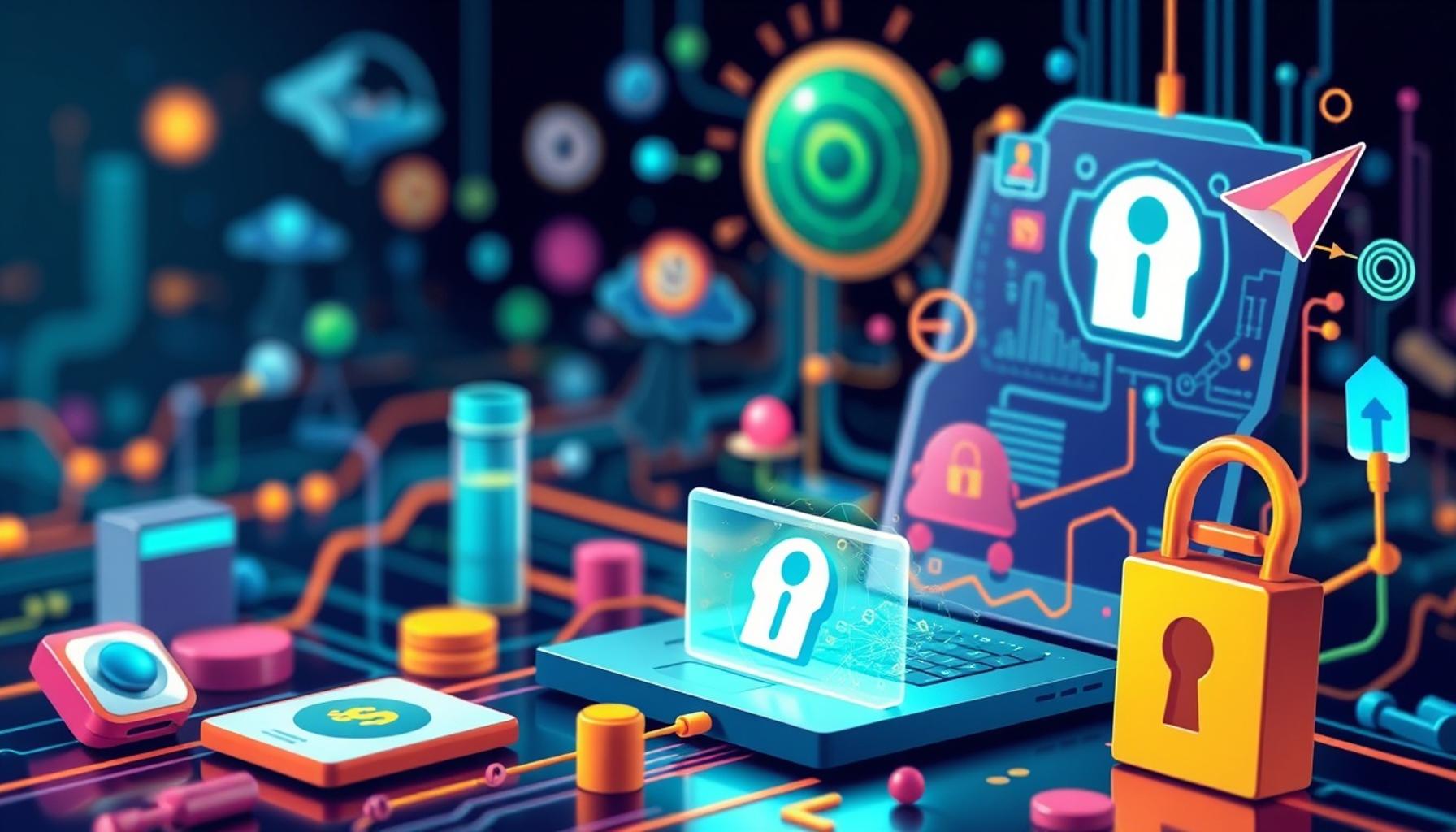
As we dive deeper into the world of IoT, we must first confront the significant vulnerabilities that these devices present. Many of them are designed with limited computational power and connectivity, hence they are often produced with minimal security features. For instance, many smart home devices come with preset usernames and passwords that users forget to change. This negligence makes it easy for cybercriminals to gain unauthorized access.
To illustrate, in 2016, a massive DDoS attack on the internet infrastructure utilized compromised IoT cameras and DVRs. This incident brought down major websites, including Twitter and Netflix, showcasing how seemingly harmless devices can facilitate large-scale attacks.
The Consequences of a Breach
The impact of security breaches in IoT devices can be profound. When a cyberattack occurs, it can lead to the theft of personal information such as your bank details, which may be stored or accessed through connected devices like smart speakers or TVs. Additionally, intruders can gain control over physical devices, turning a smart thermostat against you to manipulate heating settings or locking you out of your smart locks.
For example, there have been alarming incidents where hackers compromised smart security systems, effectively allowing them to surveil homes or even unlock doors remotely, putting homeowners at significant risk. This potential for personal danger emphasizes the need for stronger defenses.
The Growing Scale of IoT Threats
With estimates predicting that the number of IoT devices will exceed 75 billion by 2025, the scale of these vulnerabilities cannot be overstated. Each new device added to the network increases the attack surface for potential intruders. As we introduce more devices, including wearables, smart appliances, and systems controlling industrial applications, the complexity of securing them multiplies.
For instance, industries like healthcare are rapidly adopting IoT solutions to improve patient care but face high risks if sensitive health data is compromised. A security breach in such systems could not only endanger patient privacy but also disrupt critical medical services.
Strategies for Enhancing Cybersecurity
To ensure the safety of your IoT devices, it’s crucial to employ effective cybersecurity strategies. Here are some practical tips:
- Change Default Passwords: Always change factory-set usernames and passwords immediately. Create complex passwords that include a combination of letters, numbers, and symbols.
- Regular Firmware Updates: Keep your device firmware updated to take advantage of the latest security patches. Many manufacturers provide updates to address discovered vulnerabilities.
- Network Segmentation: Consider setting up a separate network for your IoT devices. This ensures that even if a device is compromised, it won’t have access to your personal computers and sensitive data.
In conclusion, understanding the cybersecurity landscape of IoT devices is crucial for protecting our interconnected lives. By being proactive and informed, we can harness the benefits of IoT while minimizing potential risks, ensuring a safer digital future for everyone.
DISCOVER MORE: Click here to learn how it works
The Consequences of a Breach
The impact of security breaches in IoT devices can be profound and far-reaching. When a cyberattack occurs, it can lead to the theft of sensitive personal information, including bank details, that may be stored or accessed through various connected devices, such as smart speakers, smart TVs, and even home security cameras. These breaches can occur through vulnerabilities inherent in the devices themselves, poor user practices, or insecure network configurations.
For instance, consider a scenario where a hacker gains unauthorized access to a smart security system. This not only allows them to monitor the activities within a household but also could enable them to unlock doors remotely, which presents a significant personal security threat. One notable incident reported in the news involved a family whose smart locks were hacked, leaving them vulnerable as intruders could bypass traditional security measures. Such potential dangers highlight the urgent need for stronger cybersecurity defenses.
Moreover, the impact of a breach can extend beyond immediate personal risk to long-term consequences. Compromised data can be sold on the dark web, leaving victims facing identity theft or fraudulent financial activities for years. The emotional toll and cost of restoring one’s identity can be overwhelming, further emphasizing the critical importance of safeguarding our digital environments.
The Growing Scale of IoT Threats
With predictions suggesting that the number of IoT devices will exceed 75 billion by 2025, the scale of vulnerabilities that come with this expansion is staggering. Each new device added to our homes or workplaces increases the attack surface for potential intruders. As we embrace innovations like wearables, smart appliances, and sophisticated systems used in industrial applications, the challenges associated with securing these devices multiply significantly.
A practical example can be seen in the healthcare sector, which is rapidly adopting IoT solutions to enhance patient care and operational efficiency. However, with this comes the inherent risk of compromising sensitive health data. A security breach could not only jeopardize patient privacy but also disrupt critical medical services and lead to devastating consequences, especially in emergency situations. With healthcare data being so sensitive, organizations must strike a delicate balance between connectivity and security, pushing for stringent measures to protect patient information.
Strategies for Enhancing Cybersecurity
To maintain the safety of your IoT devices, it is crucial to implement effective cybersecurity strategies. Here are some practical and actionable tips:
- Change Default Passwords: Always change factory-set usernames and passwords immediately upon setup. Create complex passwords that include a mix of upper and lower case letters, numbers, and special characters to enhance security.
- Regular Firmware Updates: Keep your device firmware updated to utilize the latest security patches. Many manufacturers periodically release updates to fix known vulnerabilities, ensuring your devices remain secure.
- Network Segmentation: Consider establishing a separate network specifically for your IoT devices. By doing this, even if one device is compromised, it won’t have access to your personal computers or sensitive data, thus providing an added layer of protection.
In conclusion, understanding the cybersecurity landscape of IoT devices is crucial for protecting our increasingly interconnected lives. By remaining proactive and educated about these threats, we can harness the benefits of IoT technologies while minimizing potential risks. This commitment to security ensures a safer digital future for everyone, making it essential for both individuals and organizations to prioritize cybersecurity in the age of IoT.
DIVE DEEPER: Click here to discover more
Regulatory Framework and Compliance
As the IoT landscape evolves, so too does the necessity for a robust regulatory framework that addresses the unique challenges posed by these devices. Governments and organizations are increasingly recognizing the need for legislation and guidelines to enhance the security of IoT systems. For instance, the California Consumer Privacy Act (CCPA) establishes protective measures for personal data and privacy associated with connected devices, aiming to give residents greater control over their information. This kind of regulatory initiative is crucial, as it paves the way for companies to adopt higher standards of security, fostering consumer trust.
In addition, the Federal Trade Commission (FTC) has been vocal about the need for accountability in IoT security practices. Their reports highlight that manufacturers should adopt a security-by-design approach, meaning security measures should be integrated into the product from its creation rather than being an afterthought. Compliance with these regulations not only protects consumers but also mitigates the risks associated with legal liabilities and financial penalties for businesses that fail to maintain adequate security practices.
Education and Awareness Initiatives
While regulations and technological measures are vital, the role of education cannot be understated. Many security breaches occur due to a lack of awareness among users about best practices for their connected devices. Initiatives to educate the public on the potential risks associated with IoT devices can significantly enhance overall security. For instance, campaigns that inform consumers about phishing scams targeting smart devices or the importance of using unique passwords are essential in empowering users to take charge of their online safety.
Schools and community organizations can also play a pivotal role by incorporating cybersecurity education into their curricula. Teaching young students about safe internet practices and the importance of protecting personal data equips the next generation with vital skills to navigate our interconnected world responsibly. Similarly, workplaces can conduct regular cybersecurity training for employees, ensuring that everyone understands the potential threats and knows how to respond in case of a security incident.
The Role of Manufacturers and Developers
Manufacturers and developers of IoT devices bear a significant responsibility in ensuring the security of their products. They must prioritize security-first design, incorporating features that prevent unauthorized access and protecting against known vulnerabilities. Security by design includes implementing encryption for data transmission, offering secure boot processes, and providing consumers with the means to regularly update software and firmware easily.
An excellent example of proactive manufacturer action is seen with certain companies implementing a bug bounty program. This allows ethical hackers to identify and report vulnerabilities in exchange for rewards. By incentivizing an external security perspective, manufacturers can strengthen their devices before malicious actors exploit any weaknesses.
Future Outlook for IoT Security
As we look to the future, the landscape of IoT security will continue to evolve alongside technological advancements. Emerging trends like artificial intelligence and machine learning can potentially enhance security protocols by enabling real-time threat detection and automated responses to suspicious activities. However, with the promise of innovation comes the challenge of adapting to new threats that may arise as cybercriminals become increasingly sophisticated.
Continuous collaboration among stakeholders—governments, manufacturers, consumers, and educators—is vital for creating a secure environment. Sharing knowledge, resources, and strategies will help build a resilient security ecosystem for IoT devices. By working together and prioritizing cybersecurity, we can harness the full potential of the IoT while safeguarding our connected future.
DISCOVER MORE: Click here for the details
Conclusion
In summary, as we embrace the remarkable potential of Internet of Things (IoT) devices, the necessity for rigorous cybersecurity measures has never been more critical. The interconnectedness of these devices presents unique challenges that require a multifaceted approach, incorporating regulatory frameworks, educational initiatives, and proactive practices by manufacturers. For example, when a smart thermostat is compromised, it can not only create uncomfortable living conditions but can also grant unauthorized access to the entire smart home ecosystem. By prioritizing security-by-design and fostering a culture of awareness among users, we can create a safer environment for our connected lives.
The integration of advanced technologies, such as artificial intelligence and machine learning, will further bolster our ability to detect and respond to emerging threats. These technologies effectively analyze patterns and can identify unusual behavior, such as a sudden spike in data usage from a previously stable device. However, this progression demands ongoing collaboration between governments, businesses, and consumers. For instance, when the Federal Trade Commission (FTC) enforces privacy regulations, they not only protect consumer data but also encourage companies to adopt better security practices. As regulations evolve and educational programs expand, stakeholders must remain committed to improving their cybersecurity practices continuously.
Ultimately, the responsibility of securing our IoT devices does not lie solely with manufacturers or regulatory bodies; it is a shared duty that involves each user making informed choices. Simple actions, like changing default passwords and regularly updating device software, play a crucial role in enhancing security. By cultivating a collective commitment to cybersecurity, we can protect not only our individual data but also shape a resilient future where the benefits of IoT technology can be confidently enjoyed. With vigilance and cooperation, we can ensure that our connected future remains both innovative and secure.

Linda Carter
Linda Carter is a writer and expert known for producing clear, engaging, and easy-to-understand content. With solid experience guiding people in achieving their goals, she shares valuable insights and practical guidance. Her mission is to support readers in making informed choices and achieving significant progress.