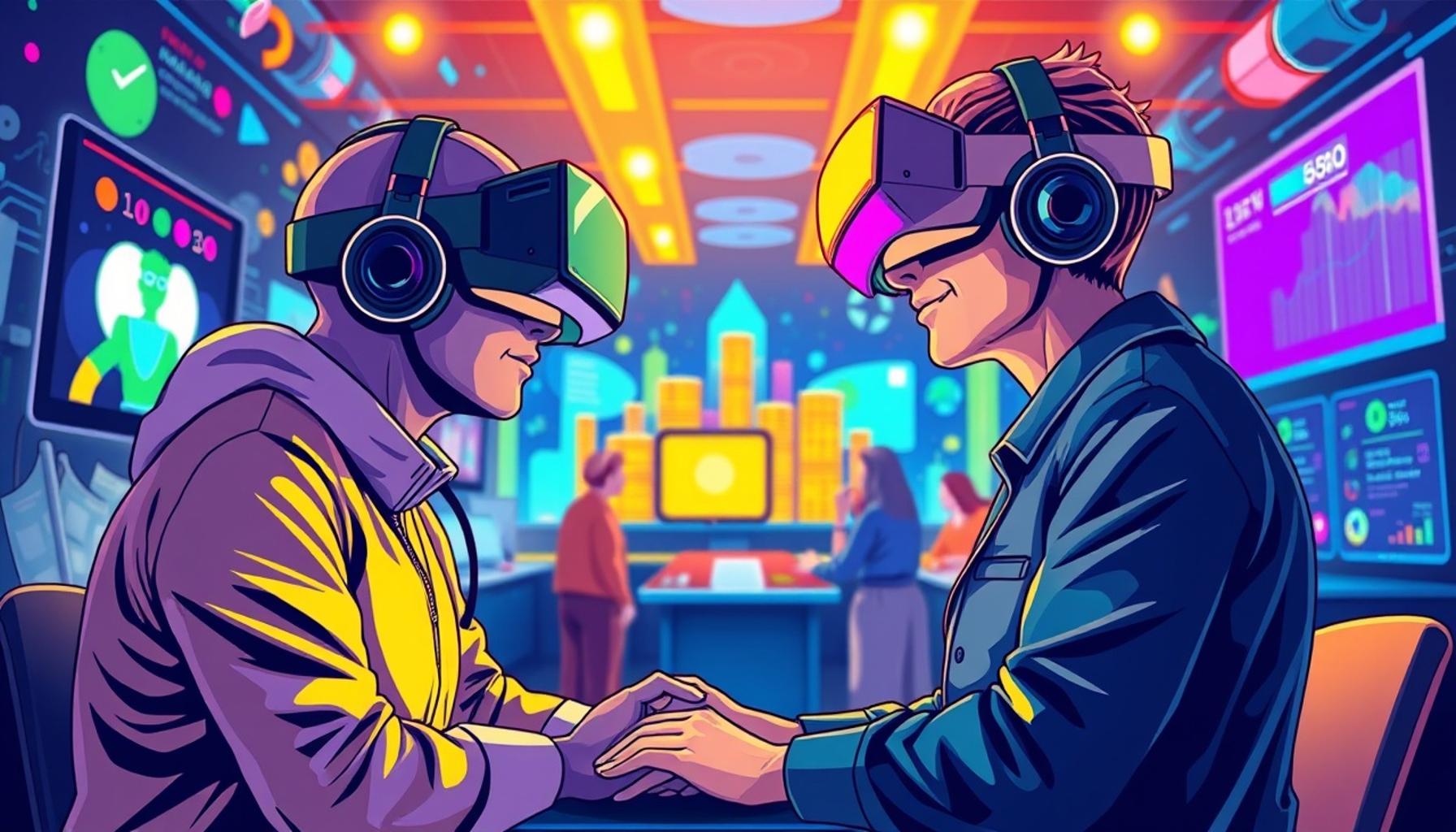
Virtual Reality and Inclusion: Accessibility in Virtual Environments

The Importance of Accessibility in Virtual Reality
As technology advances, opportunities arise for individuals to immerse themselves in experiences that were once unimaginable. Virtual reality (VR) stands at the forefront of this evolution, offering revolutionary ways to connect, learn, and interact. However, to capitalize on the extraordinary capabilities of VR, it is essential to prioritize accessibility.
Accessibility in VR goes beyond mere compliance; it is about transforming the way people experience digital environments. Many individuals with disabilities face significant obstacles in traditional settings, whether they are educational institutions, workplaces, or social venues. For instance, a student with visual impairments might struggle to engage with conventional learning materials. In contrast, accessible VR can deliver custom-tailored content through auditory descriptions and tactile feedback, making learning more inclusive.
By embracing inclusive VR design, we pave the way for not just equal access but also for empowerment. Virtual environments can provide significant enhancements in areas such as education, employment, and social interaction. Imagine a job training session conducted in VR that uses simulations tailored to individuals with various physical and cognitive abilities. This scenario can effectively prepare them for real-world settings, bridging the gap between learning and application.
Creating Inclusive Virtual Spaces
Creating virtual spaces that accommodate diverse needs involves various strategies. For people with mobility impairments, developers could design VR systems that allow navigation through voice commands or adaptive controllers, ensuring comfortable exploration of the virtual world. For instance, VR platforms like Oculus Quest include features that allow users to customize their movement settings, making the experience smoother and more enjoyable for all.
Additionally, individuals with sensory disabilities can benefit from enhanced audio and visual elements. For example, incorporating subtitles, sign language avatars, or adjustable visual contrasts can make VR content more accessible. This kind of design not only aids users with specific needs but also enriches the overall experience for everyone. A VR game that provides visual cues along with spoken instructions can engage players more deeply, regardless of their sensory abilities.
Moreover, individuals with cognitive challenges often tackle hurdles in conventional learning environments, leading to frustration and disengagement. Accessible VR can offer materials in simplified formats or through gamified experiences, turning learning into an enjoyable activity. For instance, a VR application designed to teach new concepts could include step-by-step guides that visually demonstrate processes, catering to varying comprehension levels.
Technological strides are setting the stage for a more inclusive virtual landscape. As we explore these advancements, it is vital to understand that inclusion in VR is not just a goal but a necessity. By implementing thoughtful design practices and considering the diverse needs of users, we can create an equitable future for digital interaction, where everyone, regardless of ability, has the chance to engage fully in the virtual realm.
DISCOVER MORE: Click here to learn about the ethical challenges of AI
Design Principles for Accessible VR Experiences
To create truly inclusive virtual reality experiences, developers must adhere to specific design principles that prioritize accessibility. These principles guide the design process from the ground up, ensuring that all users, including those with disabilities, can engage with VR content effectively. Here are some fundamental guidelines for achieving accessibility in virtual environments:
- User-Centered Design: Development should begin with understanding the needs of users with various disabilities. Involving these users during the design and testing phases can yield valuable insights that lead to more intuitive and helpful interfaces.
- Customizable Settings: Allowing users to adjust features like audio levels, visual contrasts, and control sensitivity can greatly enhance their experience. Customizable settings empower individuals to tailor the environment to their personal preferences and needs.
- Multi-Modal Communication: Providing information through various channels—visual, auditory, and tactile—can enhance understanding and accessibility. For example, including both spoken instructions and written text can benefit users with differing abilities and learning preferences.
- Feedback Mechanisms: Incorporating immediate feedback through vibrations or audio cues ensures that users are aware of their interactions within the VR space. Feedback reinforces learning and engagement, making experiences more dynamic and interactive.
- Think Beyond the Headset: While many VR experiences focus solely on head-mounted displays, developers should consider how the broader environment—like physical space and user interactions—also affect access and usability.
Implementing these design principles not only benefits individuals with disabilities but also enhances the overall user experience, making virtual environments more engaging and enjoyable for a wider audience. For example, in an educational VR application, a student with hearing impairments might find a lesson more engaging if the system allows for captions or sign language interpretation alongside the spoken content. Such accommodations can lead to better learning outcomes and foster a collaborative atmosphere.
Furthermore, organizations looking to utilize VR for training or social interaction should note that accessible design also benefits users who may not have disabilities but simply prefer more conventional interaction methods. A well-designed VR application can reduce cognitive load and make complex tasks more manageable for all participants, whether they are students, trainers, or employees.
As we delve deeper into the realm of accessible virtual reality, it is crucial to remember that the ultimate goal is to break down barriers and create environments where everyone feels welcome. By prioritizing the needs of all users, we can innovate how we interact with technology, ensuring that every individual can harness the full potential of virtual reality, regardless of their physical or cognitive abilities.
LEARN MORE: Click here to dive deeper
The Importance of Inclusive Testing and Community Feedback
While adhering to design principles is essential, an equally critical aspect of creating accessible virtual reality experiences is the implementation of inclusive testing and the incorporation of community feedback. Understanding the diverse needs of users can significantly improve the functionality of VR applications, ensuring that they are not just usable, but truly enjoyable for everyone. This process involves engaging individuals with disabilities in the testing phase and collecting their insights, thereby allowing developers to see firsthand how their designs perform in real-world situations.
Involve potential users right from the early development stages. For instance, if a VR experience is designed for educational purposes, it is vital to have students with various abilities participate in the testing process. Feedback from these users can highlight unforeseen barriers they encounter, such as difficulties navigating menus or understanding the content delivered through audio. By fostering an environment where their voices are heard, developers can identify key issues and make adjustments that enhance overall accessibility.
Moreover, ongoing community engagement is essential for continuous improvement. Establishing channels for users to share feedback, such as forums or built-in feedback forms within the VR application, can help developers remain attuned to the needs of their community. This iterative approach promotes a cycle of enhancement that goes beyond the initial release. For example, a VR platform can periodically update its content based on user feedback to enhance accessibility features or to introduce new functionalities that match evolving technology and user expectations.
Leveraging Technology to Support Accessibility
The rapid evolution of technology provides developers with innovative tools to enhance accessibility in virtual reality environments. Technologies such as machine learning and AI can adapt experiences more dynamically for users with disabilities. For instance, AI-driven voice recognition technology can accommodate users’ varying speech patterns, allowing for better interaction and control within the VR space. This can be especially beneficial for individuals who may have difficulty using standard controllers or voice commands.
Moreover, haptic feedback technology plays a vital role in making experiences more immersive for users with visual impairments. By translating visual elements into tactile sensations, VR environments can become navigable for people who rely on touch rather than sight. For example, when a user approaches an object in the virtual space, vibrations or other tactile cues can help them understand its size, texture, and proximity.
Regulatory Standards and Guidelines
It is important to note that regulatory standards also play a significant role in shaping accessible VR. Organizations such as the Web Content Accessibility Guidelines (WCAG) have begun to provide frameworks that can be adapted for virtual reality environments. Familiarizing developers with these guidelines ensures that the products they create meet a certain level of accessibility, ultimately facilitating compliance with laws such as the Americans with Disabilities Act (ADA). Such regulations not only encourage businesses to create inclusive environments but also provide assurance to users that they are entering a space designed with their needs in mind.
By prioritizing inclusive testing, leveraging advanced technologies, and adhering to regulatory standards, developers can create virtual environments that are not just accessible but enriching and empowering for all users. This comprehensive approach ensures that virtual reality continues to tear down barriers and foster a sense of belonging, allowing everyone to benefit from the remarkable possibilities this technology offers.
DIVE DEEPER: Click here to discover more
Conclusion
In conclusion, the intersection of virtual reality and accessibility offers a profound opportunity to enhance inclusion for individuals with diverse abilities. The journey towards creating truly accessible virtual environments is not merely about adhering to guidelines; it involves engaging the communities that will use these technologies. By conducting inclusive testing and actively seeking community feedback, developers can unearth valuable insights that shape user-friendly experiences, ensuring that everyone can engage with these digital worlds.
Additionally, the embracing of innovative technologies—such as AI and haptic feedback—further supports accessibility, allowing VR applications to adapt to the unique needs of users. These advancements not only provide enjoyable experiences but also empower individuals by giving them the tools to explore, learn, and connect in ways that were previously limited by physical constraints.
As we look to the future, it’s crucial for developers to stay informed about regulatory standards and continuously iterate on their designs based on user input. By fostering a culture of inclusivity and responsiveness, the potential for virtual reality to serve as a platform for engagement, education, and empowerment becomes limitless. Ultimately, the goal is to create virtual spaces where all users feel welcome and valued, thereby transforming the landscape of digital interaction for generations to come.

Linda Carter
Linda Carter is a writer and expert known for producing clear, engaging, and easy-to-understand content. With solid experience guiding people in achieving their goals, she shares valuable insights and practical guidance. Her mission is to support readers in making informed choices and achieving significant progress.