Virtual Reality in Fashion: A Showcase of New Trends in Virtual Environments
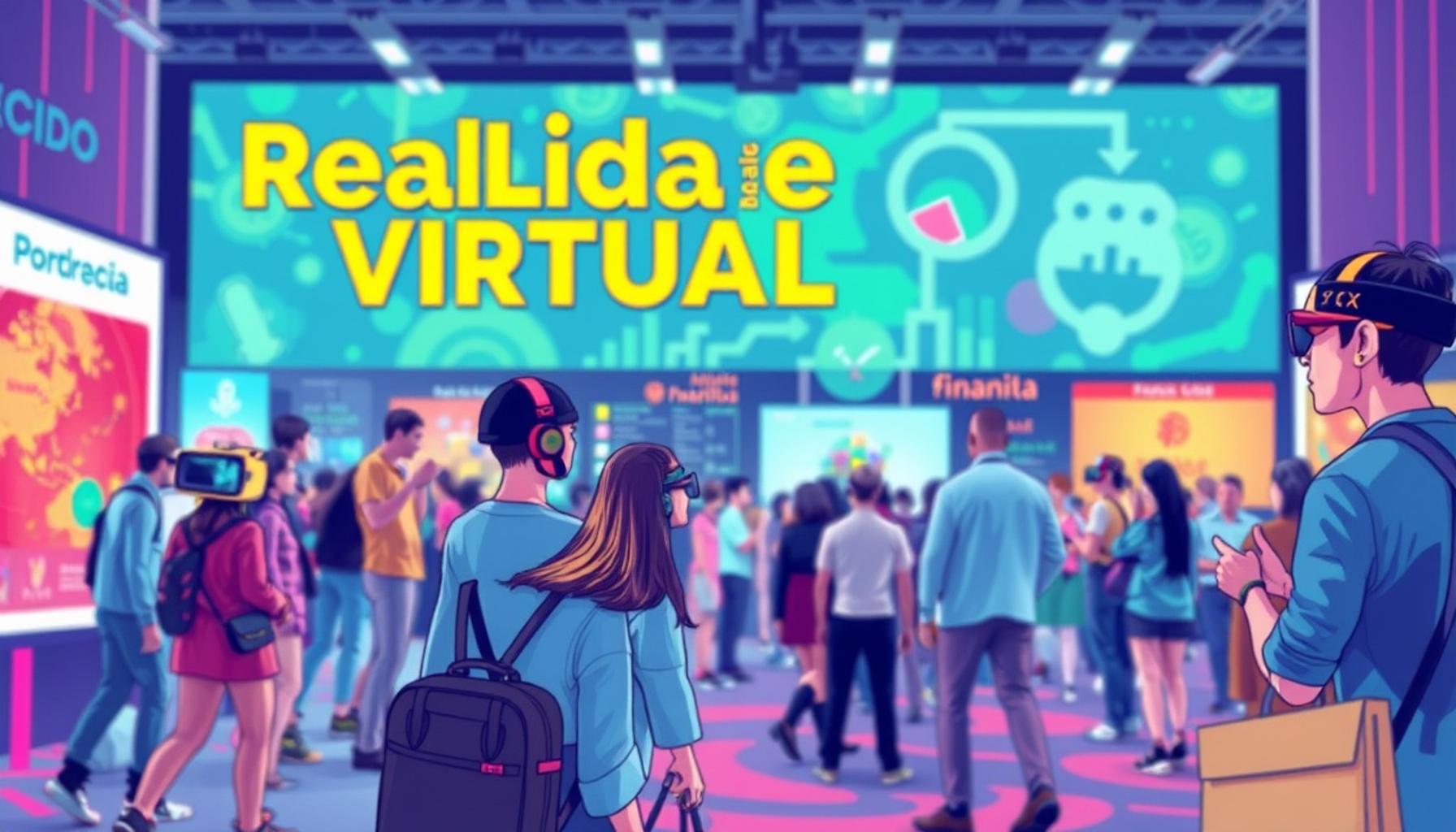
Transforming Fashion with Virtual Reality
Virtual reality (VR) is at the forefront of transforming the fashion industry, bringing forth unique experiences that were previously unimaginable. Designers, retailers, and consumers are embracing innovative tools that change not only how fashion is created but also how it is showcased and experienced. Let’s take a deeper look at how VR is reshaping this vibrant field and influencing various aspects of the fashion world.
- Immersive Runway Shows: In recent years, fashion shows have evolved dramatically. Traditionally, these events were exclusive, accessible only to a select audience of industry insiders and celebrities. Now, with the advent of VR technology, anyone can attend runway events from the comfort of their own home. For instance, major brands like Balenciaga and Gucci have hosted virtual fashion shows, allowing millions of viewers worldwide to experience these events in real-time, as if they were sitting front row.
- Virtual Fittings: Shopping has also undergone a transformation thanks to VR. Consumers can now try on clothes virtually, using avatars that represent their body types. This innovation not only eliminates sizing issues, as shoppers can adjust their avatars to reflect their measurements but also enhances the overall shopping experience. Brands like ASOS and Macy’s are already implementing virtual fitting room technology, allowing customers to see how different garments fit without physically trying them on, streamlining the purchase process.
- Interactive Shopping: The online shopping experience has become significantly more engaging with the introduction of VR. Retailers are creating virtual storefronts where shoppers can explore and purchase items in a three-dimensional space. Imagine walking through a digital boutique, picking up items, and interacting with them just like you would in a physical store. Not only does this make shopping more exciting, but it also fosters a more personalized experience for customers.
This shift in how fashion is presented and consumed not only enhances consumer engagement but also presents exciting opportunities for sustainability. By leveraging virtual platforms, brands can mitigate the physical waste associated with traditional fashion shows and sample productions. Instead of producing numerous collections for a single event, designers can showcase their work digitally, reducing material consumption and environmental impact.
- Enhanced Storytelling: Fashion is as much an art as it is a commodity, and designers are using VR to craft compelling brand narratives. Through immersive storytelling, consumers can connect emotionally with collections, understanding the inspiration and craftsmanship behind each piece. For example, brand narratives can be enhanced by taking viewers on virtual journeys through the design process, showcasing the rich history or cultural influences that inform the collection.
- Collaboration Opportunities: VR breaks down geographical barriers, allowing designers and artists from different corners of the world to collaborate seamlessly. This creates a global community of creative minds who can share ideas and inspirations. Imagine a fashion designer in New York collaborating with an artist in Tokyo, creating a unique collection that reflects a cross-cultural blend—all facilitated by virtual reality.
The intersection of VR and fashion fosters a space for creativity and innovation, paving the way for future trends that align with modern consumer demands. As technology continues to develop, we can anticipate even more exciting integrations between fashion and virtual experiences. Get ready to step into a world where fashion and technology coexist seamlessly, making the industry more inclusive, sustainable, and exciting than ever before!
DISCOVER MORE: Click here for additional insights
Exploring Virtual Reality’s Impact on Fashion Innovation
As virtual reality (VR) continues to skyrocket in popularity, its impact on the fashion industry becomes increasingly evident. From the way collections are launched to how consumers interact with products, VR is enhancing creativity and offering advanced technological solutions. By embracing these innovative approaches, brands are not only reaching wider audiences but are also catering to modern consumer preferences. Let’s delve deeper into some groundbreaking applications of virtual reality in fashion.
- Revolutionizing Fashion Presentations: Traditional fashion presentations often come with limitations, including logistical challenges and high costs. However, with VR, fashion designers can create stunning and immersive presentations that transport viewers into a world that reflects their artistic vision. For instance, creators can develop elaborate virtual landscapes where their garments are showcased within captivating environments, allowing audiences to experience the essence of the collection in a way that a conventional runway cannot offer.
- Dynamic Marketing Campaigns: Brands are progressively utilizing VR to craft marketing campaigns that grab the consumer’s attention. Imagine viewing a high-end fashion advertisement where you can interact with featured items in real-time. This type of dynamic experience not only fosters excitement but also establishes a direct connection between the product and the consumer. Leading brands such as Nike and Dior have begun experimenting with virtual immersive experiences that engage potential customers on a deeper level.
- Educational Opportunities: Beyond marketing and shopping, VR is being employed as a tool for education within the fashion sector. Fashion education institutions are incorporating VR simulations into their curriculums, enabling students to practice design techniques and learn about textiles in an interactive environment. This hands-on approach encourages a more robust understanding of the complexities of fashion design, providing learners access to resources that would otherwise be limited in traditional classrooms.
In addition to these innovative applications, VR technology is making significant strides toward inclusivity within the fashion industry. By creating virtual spaces where everyone can explore and interact with fashion, brands are working to bridge gaps and invite diverse audiences to participate in the fashion dialogue. This shift towards inclusivity is crucial, especially in a sector that has long been criticized for its exclusivity.
- Customization and Personalization: With VR, consumers can enjoy a highly personalized experience when shopping for clothes. Virtual reality platforms can utilize data-driven insights to recommend styles, colors, and fits tailored to individual preferences. This not only increases customer satisfaction but also boosts brand loyalty, as consumers feel valued and understood by the companies they support.
- Accessibility for All: As VR technology becomes more widespread, it ensures that fashion experiences are accessible to individuals with disabilities. Virtual environments can be designed to accommodate diverse needs, allowing everyone the chance to partake in fashion experiences that were previously out of reach.
As these trends unfold, it is clear that virtual reality is ushering in a new era for the fashion industry, characterized by inclusivity, creativity, and innovation. As designers and brands continue to explore the potentials offered by VR, consumers can expect an ever-evolving relationship with fashion that redefines how they engage with style and creativity on a global scale.
DIVE DEEPER: Click here to learn more
Transforming Retail with Virtual Reality
The retail landscape is undergoing a transformation, thanks to the introduction of virtual reality in fashion. This immersive technology is not only enriching the consumer experience but also fundamentally altering how brands approach sales. Let’s take a closer look at how VR is reshaping retail in the fashion world.
- Virtual Fitting Rooms: One of the most practical applications of VR in fashion retail is the creation of virtual fitting rooms. These platforms allow customers to try on clothes digitally, eliminating the frustrations of size discrepancies and fitting issues. For instance, brands like Zara and ASOS are exploring VR fitting room solutions that make it possible for consumers to see how different styles look on their avatars. This technology allows for a more gratifying shopping experience, increasing the likelihood of purchase while reducing return rates associated with sizing errors.
- Enhanced Shopping Experiences: Virtual reality can create immersive and engaging shopping environments that enhance consumer enjoyment. Retailers can simulate boutique experiences in lavish virtual settings, where individuals can stroll through stores and browse collections as if they were in a physical location. This approach not only captures the essence of traditional shopping but also incorporates gamified elements that appeal to younger consumers seeking unique experiences. For example, brands can host promotional events within these virtual spaces to launch new collections, attracting customers to participate in interactive fashion contests or scavenger hunts.
- Global Reach and Market Penetration: Virtual reality solutions can extend a brand’s reach beyond geographical boundaries, allowing fashion retailers to connect with global customers. This is especially vital for small and medium-sized brands that may have limited resources for physical store expansion. By creating a presence in virtual reality, these brands can tap into markets they might not have been able to access otherwise. For example, a boutique in a small town can host a virtual launch event that is accessible to fashion enthusiasts around the world, fostering a community and driving sales across international boundaries.
The use of VR also provides valuable analytics and insights for fashion retailers. By tracking consumer behavior within virtual environments, brands can gather data on preferences, shopping habits, and even the emotional responses triggered by different designs. This actionable information can refine marketing strategies and product development processes to better meet customer demands.
The Role of Social Interaction in Virtual Fashion
As people become increasingly connected through social media platforms, the integration of VR in fashion retail facilitates social interactions that enhance the overall experience. This can lead to collaborative shopping experiences, where friends can join a virtual space together, explore fashion items, and provide feedback in real-time. Additionally, celebrities or influencers can take part in these digital environments to promote items, further blending social engagement with retail.
- Live Virtual Events: Fashion shows and product launches are transforming into interactive virtual events that not only broaden the audience but also encourage real-time engagement. Consumers can participate in live-streamed events where they experience new collections and interact with designers and models. These virtual gatherings create a sense of community and can generate substantial buzz around a brand, amplifying its reach in the digital space.
- Collaboration with Gaming and Entertainment: The crossover between fashion and gaming is becoming increasingly prevalent, with VR fashion platforms partnering with game developers to create exclusive, limited-edition virtual wearables. For example, brands like Balenciaga have begun releasing digital fashion items that can be worn by avatars in popular video games. This not only opens up a new revenue stream but also connects the fashion industry with the younger, tech-savvy consumer demographic.
With these innovative uses of virtual reality, it is evident that the fashion industry is on the brink of a significant evolution, harnessing technology to create unparalleled experiences that cater to modern consumers. As brands continue to push the envelope, the potential for VR in fashion retail seems endless, promising exciting developments in how consumers shop, interact, and experience fashion.
DISCOVER MORE: Click here for details
Conclusion: Embracing the Future of Fashion with Virtual Reality
In summary, the integration of virtual reality into the fashion industry is undeniably transforming the way consumers engage with brands and products. From virtual fitting rooms that alleviate the common issues of sizing to immersive shopping experiences that replicate the excitement of traditional retail, VR is enhancing the consumer journey in unprecedented ways. As businesses harness this technology, they are not only expanding their reach but also creating dynamic social interactions that foster community and collaboration through shared experiences.
Moreover, the rise of live virtual events and partnerships between fashion and gaming underscore a changing landscape where engagement goes beyond mere transactions. This not only appeals to younger, tech-savvy audiences but also opens up new revenue streams for brands willing to adapt and innovate. The insights gathered from consumer behavior analytics in virtual spaces are invaluable, allowing brands to tailor their offerings more effectively and meet ever-evolving customer expectations.
As we look forward, it is clear that the possibilities for VR in fashion are vast and still largely untapped. The challenge lies in striking the right balance between technology and the authentic human connection that characterizes the fashion industry. By embracing this new frontier with creativity and strategy, retailers can create memorable shopping experiences that resonate with consumers, paving the way for a bold and vibrant future in fashion.

Linda Carter
Linda Carter is a writer and expert known for producing clear, engaging, and easy-to-understand content. With solid experience guiding people in achieving their goals, she shares valuable insights and practical guidance. Her mission is to support readers in making informed choices and achieving significant progress.