
The Future of Entertainment: Virtual Reality in Games and Immersive Experiences
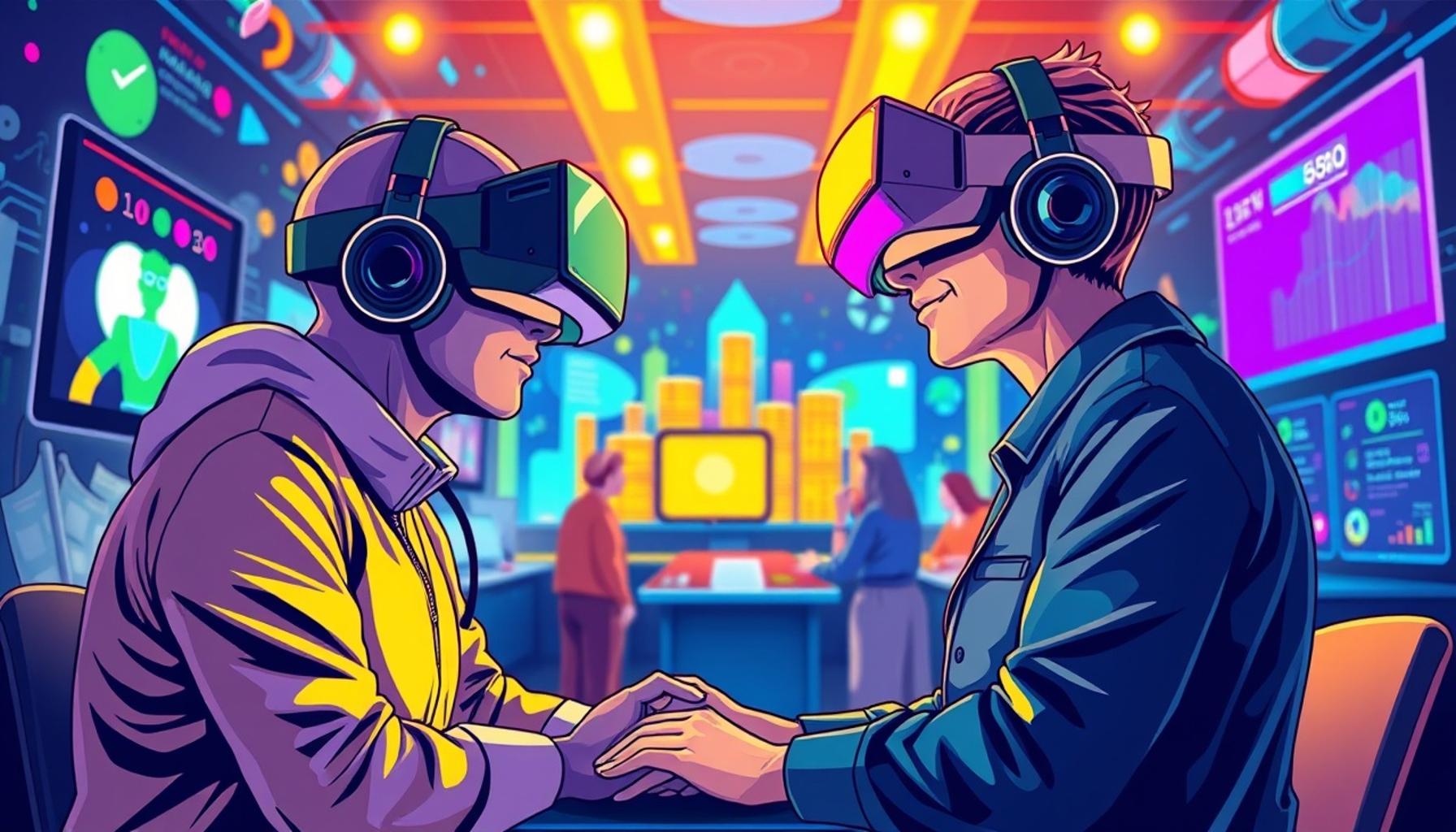
Transformative Impact of Virtual Reality on Entertainment
The entertainment landscape is experiencing a profound metamorphosis, influenced significantly by the rise of virtual reality (VR). This technology is not merely a gimmick; it is reshaping how we engage with games and immersive experiences, evolving at a pace that is both exciting and daunting. By providing a more enriched and interactive form of entertainment, VR is setting a new standard for what audiences can expect.
Unique Features of Virtual Reality
One of the core advantages of VR is its ability to create truly immersive environments. Imagine donning a headset and finding yourself in a vibrant jungle, complete with realistic soundscapes and wildlife. This level of immersion allows players to feel as if they are truly part of the game world, making experiences like exploring ancient civilizations or surviving on alien planets much more impactful.
Another key aspect is interactive storytelling. Traditional video games often present a fixed narrative, but with VR, users can shape their own stories. This interactivity elevates the gaming experience as players’ choices directly affect the storyline, leading to multiple possible endings. For example, in games like “The Walking Dead: Saints & Sinners,” players make decisions that alter the course of their journey, creating a unique experience with each playthrough.
Social integration is another formidable feature that VR brings to the table. Multiplayer VR platforms allow people from different parts of the globe to connect in shared virtual spaces. In games like “Rec Room,” players can socialize, play games, and even build their own rooms, which enhances communal ties and fosters deeper interactions that go beyond standard online gaming.
The Growing Influence of VR in Various Sectors
As VR technology becomes more accessible, its integration into the entertainment industry is expanding. VR gaming continues to flourish with standout titles like “Beat Saber” and “Half-Life: Alyx,” which have captivated audiences and showcased the innovative possibilities of this technology. These games not only entertain but also demonstrate the unique mechanics that VR can offer, such as physical engagement and spatial awareness.
Moreover, virtual concerts are transforming how fans experience live music. Artists like Travis Scott have hosted virtual performances in multi-user platforms, drawing in millions of attendees from all over the world, offering fans an unparalleled way to connect with their favorite artists without geographical limitations.
Furthermore, educational experiences are leveraging VR to create immersive learning environments. Museums are increasingly offering virtual tours, allowing students and history buffs to explore exhibits from the comfort of their homes, breaking down barriers often associated with travel and financial constraints.
As we continue to navigate this exciting frontier, the potential applications of VR are boundless. This technology is not just a fad but rather a transformative force that is poised to revitalize and redefine entertainment as we know it. It is an exhilarating time to witness how VR will further integrate into our daily lives, encouraging creativity, enhancing storytelling, and fostering community in ways we have only begun to explore.
DIVE DEEPER: Click here to discover more
Redefining Gameplay through Virtual Reality
The integration of virtual reality (VR) into gaming is revolutionizing how players interact with digital worlds. Unlike traditional gaming platforms that largely confine players to the confines of a screen, VR breaks those barriers, inviting players to enter a three-dimensional space where they can explore, interact, and engage in ways that enhance their gaming experience.
The Power of Immersion
At the heart of VR gaming is the concept of immersion. This immersive quality allows players to not only see the game, but to feel as though they are living it. When wearing a VR headset, participants are enveloped in a digital realm where their surroundings, movements, and interactions are intimately tied to the game mechanics. For example, in games like “No Man’s Sky,” players explore procedurally generated universes, flying their own spaceships and discovering new planets, with every turn and movement translated into the reality of their gaming experience.
In addition to visual immersion, VR gaming incorporates haptic feedback, allowing players to feel the game. Whether it’s the sensation of a weapon firing or the impact of jumping from one virtual platform to another, this tactile engagement creates a more authentic experience. Games like “Beat Saber” not only challenge players rhythmically but also provide the satisfaction of physically striking targets in a visually stunning environment.
Creating Unique Social Experiences
Moreover, VR is cultivating a new type of social gaming environment. Users can interact with others in shared virtual spaces, enhancing multiplayer experiences. For instance, platforms like “VRChat” enable users to embody avatars, interact, and explore together in an endlessly customizable digital world. This type of interaction fosters connections between players who may not have met otherwise, creating a real sense of community.
Here are several ways VR is enhancing social engagement in gaming:
- Shared Experiences: Players can experience live events together, such as concerts or virtual meet-ups, allowing them to share moments in real-time.
- Cooperative Gameplay: Many VR games require teams to work together to achieve objectives, encouraging teamwork and collaboration.
- Customizable Avatars: Players can express their personalities through unique avatars, making social interactions more fun and engaging.
Challenges and Opportunities Ahead
Despite its potential, the growing VR sector also faces challenges. High costs of VR hardware, comfort levels associated with prolonged use, and the need for more compelling content can hinder mass adoption. However, as technology continues to evolve, these barriers are likely to diminish. As developers tap into innovative storytelling and design, gamers can expect richer, more thrilling adventures that push the limits of imagination.
In summary, the future of gaming lies in the immersive, social connections fostered by virtual reality. By providing dynamic experiences that prioritize player agency and interaction, VR technology is not merely changing games but is setting a new cultural standard for how we perceive entertainment. As these innovations unfold, we can only imagine the vast and diverse landscapes that await us in the realm of immersive experiences.
DON’T MISS: Click here to uncover the power of immersive experiences
Transforming Storytelling and Game Design
As virtual reality (VR) technologies advance, the impact on storytelling and game design is becoming increasingly evident. Developers are now crafting narratives that leverage VR’s unique capabilities, creating more vibrant and engaging story arcs that players can actively participate in. What sets VR apart is the ability to place players right in the center of the action, allowing them to influence outcomes based on their decisions and interactions.
Interactive Narratives
In traditional gaming, players often follow a linear storyline defined by the developers. However, VR introduces the concept of interactive narratives, where players can explore different story paths based on their choices. Games such as “Half-Life: Alyx” exemplify this shift, offering intricate plots that allow players to engage in dialogue with characters and make decisions that impact the game’s direction. The player’s emotional investment deepens when their actions influence the unfolding of events, making every experience unique.
Expanding Gameplay Mechanics
The gameplay mechanics in VR are evolving alongside storytelling techniques. Developers are experimenting with new ways to interact with the environment. For instance, games like “The Walking Dead: Saints & Sinners” allow players to physically manipulate objects, pick up weapons, and even craft items using the motion controls of VR headsets. This hands-on approach not only enhances the realism of the gaming experience but also facilitates creative problem-solving as players must navigate challenges in entirely new ways.
The Role of Artificial Intelligence
Integrating artificial intelligence (AI) into VR creates an even more enriching experience. AI can power non-player characters (NPCs), making them more responsive and lifelike. In VR environments, NPCs can react to a player’s actions in real-time, adapting their behaviors and dialogues based on player interactions. This leap in AI capabilities fosters dynamic storytelling, where cutscenes and scripted events seamlessly blend with player-led narratives, making the game world feel alive and responsive.
Immersive Educational Experiences
Beyond entertainment, VR is carving a niche in education by providing immersive learning experiences. Imagine exploring ancient ruins in a history lesson or conducting complex scientific experiments in a digital lab—all while wearing a VR headset. Educational programs like “Google Expeditions” allow students to take virtual field trips to iconic landmarks or even outer space, engaging them in ways traditional methods cannot achieve. This shifting paradigm not only enhances learning but also ignites curiosity and excitement among students.
Moreover, industries beyond gaming are beginning to adopt VR for training purposes. For example, medical professionals can use VR simulations to practice surgeries in a safe environment before they operate on actual patients. Similarly, the military uses VR for training exercises that mimic real-world scenarios without compromising safety. This cross-industry application of VR is expanding the technology’s reach and utility, showcasing its potential to reshape various fields.
Overall, as creative minds continue to explore the capabilities of VR, we are likely to witness more innovative uses for storytelling, gameplay design, and education in the coming years. The future promises an exciting blend of creativity and technology, expanding the boundaries of what immersive experiences can offer.
DIVE DEEPER: Click here to discover more
Looking Ahead: The Impact of VR on Entertainment
The trajectory of virtual reality in entertainment is poised for significant growth and transformation. By blending technology with creativity, VR has opened new avenues for storytelling, gameplay, and immersive experiences. As developers continue to explore its capabilities, we can expect a surge in content that not only entertains but enriches our understanding of the world around us.
However, the future of VR extends beyond mere entertainment; it presents palpable opportunities in fields like education and professional training. The advent of immersive learning tools enables an experiential approach that can revolutionize traditional educational methods, making complex subjects accessible and engaging for learners of all ages. The incorporation of advanced artificial intelligence further enhances interactivity, creating environments that respond to individual player choices and fostering deeper engagement.
Moreover, as hardware becomes more sophisticated and accessible, a broader audience will be able to partake in VR experiences. The democratization of technology will lead to an explosion of creativity, with independent developers and smaller studios contributing to a diverse range of narratives and gameplay styles.
In conclusion, the future of entertainment through virtual reality is an exciting frontier that promises to redefine how we interact with digital media. As we embrace the possibilities that this technology has to offer, it’s clear that we are just at the beginning of a remarkable journey, one that has the potential to enrich our lives through unforgettable narratives and connections. The landscape of entertainment is changing, and VR will undoubtedly play a pivotal role in shaping the experiences of tomorrow.

Linda Carter
Linda Carter is a writer and expert known for producing clear, engaging, and easy-to-understand content. With solid experience guiding people in achieving their goals, she shares valuable insights and practical guidance. Her mission is to support readers in making informed choices and achieving significant progress.