The Impact of Virtual Reality on Education: Transforming Learning in Virtual Classrooms
The Role of Virtual Reality in Education
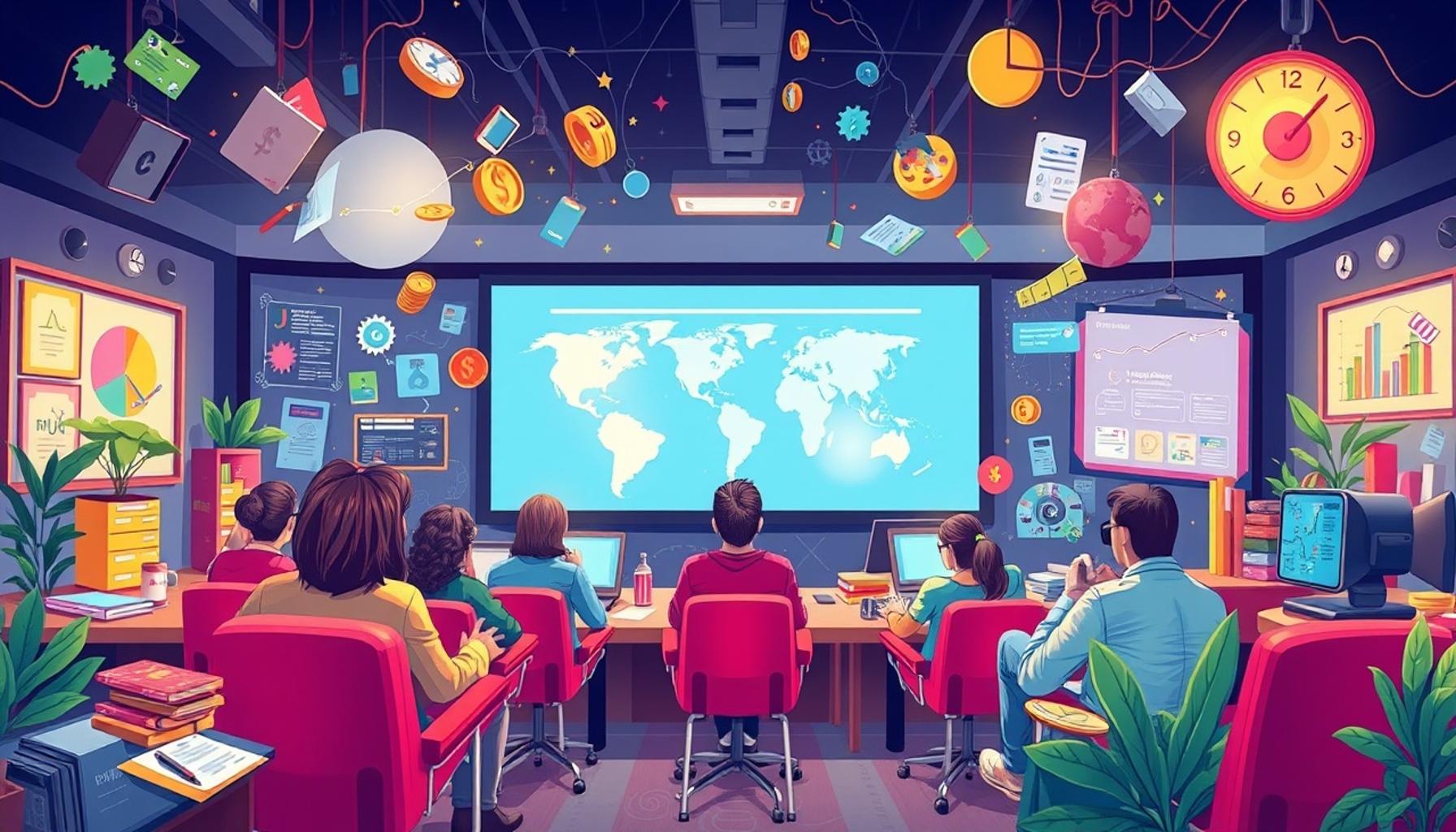
The world of education is witnessing a technological revolution, with Virtual Reality (VR) emerging as a pivotal force in transforming traditional teaching methodologies. The integration of VR into classrooms is redefining the way students learn, offering unparalleled immersive experiences that are both engaging and informative.
Exploring Distant Places
One of the standout features of VR in education is the ability for students to explore distant places without ever leaving their classroom. Imagine a history class where students can take a virtual field trip to the ancient pyramids of Egypt or witness pivotal moments in American history, such as the signing of the Declaration of Independence. Through VR technology, students can walk around these landmarks, observing details they might miss in a textbook. This experiential learning not only enhances understanding but also fosters a personal connection to the subject matter.
Engaging with Complex Concepts
Moreover, VR allows students to engage with complex concepts in a way that simplifies their understanding. For instance, in a biology class, students can explore a detailed 3D model of the human body, rotating and zooming in on organs to see how they function. Similarly, physics concepts can be visualized through interactive simulations, such as exploring gravitational forces by creating a virtual roller coaster where students can manipulate the laws of physics in real-time. This hands-on approach caters to different learning styles and helps demystify topics that are often perceived as difficult.
Collaboration in Virtual Environments
Another significant advantage of VR is its ability to promote collaboration within virtual environments. For example, students from different geographical locations can gather in a shared virtual space to work on projects together. This is particularly beneficial in subjects like science or art, where teamwork is essential. During a virtual science fair, students can present their findings to classmates from across the country, receiving feedback and engaging in discussions that enhance their learning experience. The real-time interaction creates a sense of community and shared purpose, even in remote learning scenarios.
Benefits and Future Potential
As educators and institutions continue to seek innovative methods to enhance learning, VR stands out as a transformative tool. It not only enriches the learning environment but also significantly boosts student engagement and motivation. By tailoring lessons to diverse learning styles, VR can accommodate various needs, making education increasingly inclusive and accessible.
The potential for VR in the educational landscape is vast, with continuous advancements promising even more interactive and immersive experiences. As the technology becomes more refined and accessible, it is likely that VR will become a standard feature in classrooms nationwide, fostering a new generation of learners who are more engaged, knowledgeable, and prepared for the complexities of the modern world.
DIVE DEEPER: Click here to learn more
Innovative Learning Experiences through Virtual Reality
Virtual Reality is not just a modern trend; it is a game changer in the educational landscape. By providing immersive learning experiences, VR encourages active participation, deepens understanding, and helps students retain information more effectively than traditional methods. As we delve deeper into this subject, it is essential to highlight the specific ways in which VR is reshaping education.
Breaking Down Geographic Barriers
One of the most remarkable aspects of VR in education is its ability to break down geographic barriers. No longer confined by the boundaries of their classrooms, students can engage with content from all over the globe. For instance, a geography class could take students on a virtual journey through the Amazon rainforest, where they can observe the diverse ecosystems and understand the intricacies of biodiversity. This capability allows students to enrich their learning by experiencing places and cultures firsthand, fostering a global perspective that traditional teaching methods may lack.
Personalized Learning Paths
Another significant advantage of Virtual Reality is its potential for personalized learning. With VR programs, educators can tailor lessons to match individual student needs. For example, a mathematics lesson can be adapted based on a student’s proficiency level; advanced learners can tackle complex problems while those who require more foundational support can focus on basic concepts in an interactive environment. This adaptability ensures that each student can progress at their own pace, providing a more equitable learning experience for all.
Enhancing Critical Thinking Skills
In addition to facilitating personalized learning, VR also plays a crucial role in enhancing critical thinking skills. Through realistic simulations, students can face challenges and make decisions that require analytical thinking. For instance, an environmental science course can involve a scenario where students must solve a problem related to climate change. They might work in groups to devise a sustainable urban development plan, encouraging collaboration while applying the theories they have learned in class. This type of experiential learning pushes students to analyze information critically, consider various viewpoints, and make informed decisions.
Immersive Assessments
Moreover, VR technology offers new methods for evaluating student understanding through immersive assessments. Traditional tests often rely on rote memorization, but VR can simulate real-world situations for students to navigate. A history assessment might require students to role-play as historical figures during significant events, allowing teachers to gauge their comprehension in a dynamic setting. This form of assessment invites creativity and application of knowledge, moving beyond conventional testing metrics to truly measure understanding and critical engagement.
Overall, Virtual Reality holds enormous potential for transforming educational practices. As we embrace its capabilities, it is essential to remain focused on how these innovations can create inclusive and engaging learning environments that equip students with the skills they need for the future. With the possibilities of VR continuing to expand, both educators and learners stand to benefit immensely from this technological advancement. In the following sections, we will explore the implications of these immersive experiences on student engagement and motivation.
DISCOVER MORE: Click here for details
Motivating Students through Immersive Experiences
Another significant impact of Virtual Reality in education is its ability to motivate students through immersive experiences. Unlike traditional learning environments, VR captures students’ attention and fosters enthusiasm for learning. Imagine a biology class where students can interact with a 3D model of a human body, exploring anatomy and physiology from the inside out. This level of engagement compels students to actively participate in their learning journey, leading to enhanced interest in the subject matter and a greater likelihood of academic success.
Fostering Empathy and Social Skills
Moreover, VR proves invaluable in fostering empathy and social skills. When students immerse themselves in scenarios that require them to see the world from another person’s perspective, they develop a deeper understanding of different cultures and experiences. For instance, a VR program simulating life in a refugee camp can evoke powerful emotional responses, encouraging students to reflect on social issues and instigating meaningful discussions. This impact extends beyond the virtual realm, helping students cultivate empathy and become more socially aware individuals in their communities.
Facilitating Remote Learning
As education evolves, especially in response to recent global events, the role of VR in facilitating remote learning has emerged as a vital asset. Virtual classrooms created through VR technology enable students to interact in real-time, regardless of their physical location. This is particularly beneficial for students in rural or underserved areas who may lack access to quality resources. By joining virtual classrooms, they can connect with peers and instructors worldwide, ensuring that their educational experiences are enriched and diverse.
Integration with Other Technologies
Virtual Reality also demonstrates its potential when integrated with other educational technologies. For instance, combining VR with artificial intelligence can create adaptive learning experiences tailored to individual student needs. As students engage with VR lessons, AI algorithms can analyze their performance in real-time, adjusting difficulty levels or providing immediate feedback. This powerful combination ensures students are not only immersed in their learning but also receiving the support necessary to maximize their understanding.
Challenges and Considerations
While the benefits of incorporating VR into education are numerous, it is important to address the challenges and considerations associated with its implementation. Cost remains a significant barrier, as VR equipment can be expensive, particularly for schools with limited budgets. Furthermore, educators must undergo training to effectively utilize VR tools in their teaching practices. Ensuring equitable access to this technology will be vital in preventing discrepancies in learning opportunities among different student populations. It’s also essential to engage in ongoing assessments of VR programs to ensure they align with educational standards and contribute positively to learning outcomes.
As we explore further, it will be crucial to examine the long-term effects of Virtual Reality on our educational systems and how it might shape the future of learning for generations to come. Understanding these impacts will help educators, policymakers, and stakeholders make informed decisions about integrating VR into curriculums across the United States.
DON’T MISS: Click here to discover how virtual reality can enhance therapy
Conclusion
The advent of Virtual Reality (VR) in education represents a transformative shift in the way students experience learning. Through immersive engagement, students are motivated to take charge of their educational journeys, leading to deeper understanding and retention of knowledge. This technology breaks down traditional barriers, enabling learners from diverse backgrounds to acquire new perspectives, as well as fostering empathy and essential social skills through shared experiences. Moreover, as remote learning becomes increasingly important, VR facilitates interactive and collaborative classrooms that span geographical limitations, ensuring that quality education reaches all corners of the nation.
As we continue to explore the integration of VR with other educational tools, such as artificial intelligence, we unlock potential pathways for personalized learning experiences. These advancements help address individual student needs, paving the way for more tailored educational opportunities. However, it is essential to remain vigilant regarding the challenges associated with deploying this technology, including cost and accessibility, to ensure that no student is left behind in this new learning landscape.
In conclusion, the impact of Virtual Reality on education is profound, fostering a new era of learning that prioritizes engagement, empathy, and accessibility. As we look to the future, educators, policymakers, and stakeholders must continue to collaborate in effectively integrating VR into curricula. By doing so, we can harness its full potential to shape a brighter, more inclusive future for students across the United States.

Linda Carter
Linda Carter is a writer and expert known for producing clear, engaging, and easy-to-understand content. With solid experience guiding people in achieving their goals, she shares valuable insights and practical guidance. Her mission is to support readers in making informed choices and achieving significant progress.