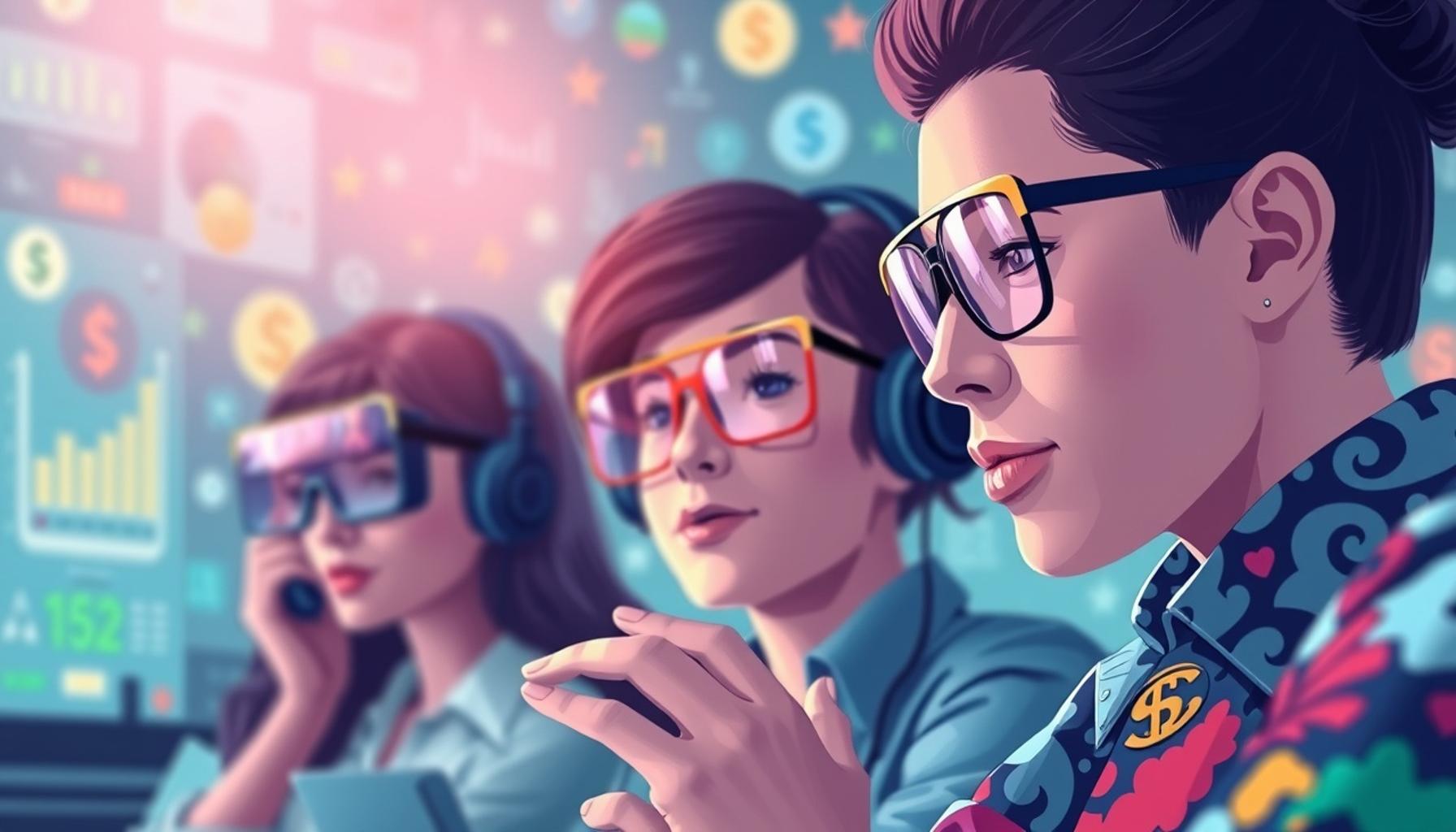
The Impact of Virtual Reality on Interpersonal Relationships: Connecting People in Virtual Worlds

Understanding Virtual Reality’s Impact on Relationships
Virtual Reality (VR) has ushered in a transformative era, allowing individuals to forge connections and communicate with one another in innovative and profound ways. This technology creates a simulated environment that immerses users in experiences that mimic reality but often transcend geographical limitations.
To better grasp the impact of VR on interpersonal relationships, it’s essential to examine several key aspects:
- Immersive Experiences: One of the standout features of VR is its ability to provide users with real-time social interactions. For example, platforms like Facebook Horizon enable users to create avatars and engage in life-like conversations as if they were face-to-face. This immersion can lead to more meaningful discussions compared to traditional video calls, where distractions often hinder genuine interaction.
- Shared Activities: VR facilitates collaboration through a variety of shared activities. For instance, in VR gaming environments such as “Rec Room” or “Beat Saber,” players can join friends or strangers from different parts of the world and partake in activities that strengthen their bonds. These shared experiences foster a sense of community and camaraderie, emulating the togetherness found in real-world gatherings.
- Emotional Engagement: The profound sense of presence offered by VR can enhance empathy and understanding. Users often report feeling a deeper emotional connection during VR interactions, as they can see the reactions and expressions of others in a way that typical online communication might not capture. This emotional depth can be pivotal in contexts like therapy or support groups, where developing trust and understanding among members is crucial.
As VR technology advances, it challenges and redefines traditional relationship dynamics. For example, families separated by distance are now able to share experiences in virtual spaces—celebrating birthdays or holidays together in ways that were impossible before. However, this shift raises important questions about reconciling virtual relationships with physical ones. Can these virtual engagements fulfill deep emotional needs, or will they remain mere complements to in-person connections?
This article will take a closer look at various VR applications that illustrate these dynamics, highlighting both the potential benefits of virtual connectivity and the inherent challenges. By exploring these elements, readers will gain insights into how virtual reality is not just reshaping individual experiences but also redefining concepts of togetherness in the digital age.
DISCOVER MORE: Click here for tips on getting clothes from Shein
Exploring the Role of Immersive Interactions
The ability of Virtual Reality (VR) to create immersive experiences is one of the primary ways it transforms interpersonal relationships. Unlike traditional forms of communication, VR allows people to step into a simulated world and interact in ways that can feel incredibly authentic. Studies have shown that when individuals engage in VR, their brain responses mirror real-life social interactions, contributing to a more profound sense of connection.
For instance, consider how VR meeting spaces can be utilized for work or social gatherings. Applications like Spatial enable users to hold meetings and collaborate on projects while feeling as if they are physically present with their colleagues or friends. This level of interaction can significantly enhance teamwork, as users are not only sharing ideas verbally but also observing non-verbal cues, body language, and emotional expressions in real-time.
Furthermore, the opportunity for shared activities in VR fosters a sense of community that transcends geographical barriers. Let’s take online gaming as an example; platforms such as “Fortnite” or “VRChat” bring people together from across the globe. Users often team up to conquer challenges or participate in events, allowing them to bond over shared goals. These shared moments can resonate deeply, creating feelings of connection and friendship despite distance. One popular event, the virtual concert experience in “Fortnite,” drew millions of players together, showcasing how VR can create communal experiences that rival real-life gatherings.
In addition to gaming, VR also offers opportunities for social interaction through virtual meetups, art exhibitions, and even educational experiences. People can attend virtual seminars or workshops related to their interests, collaborating with others in a way that encourages engagement and dialogue. Imagine art lovers exploring a digital gallery together, discussing various works while walking alongside one another in a colorful, interactive space. This not only enhances the enjoyment of art but also helps to build connections among participants who share similar interests.
Despite the clear benefits, it’s essential to acknowledge the challenges that VR presents for interpersonal relationships. While the technology creates unique opportunities for communication, it may also lead to concerns regarding balance. For some individuals, the allure of virtual interactions might detract from valuable in-person relationships, leading to feelings of isolation. Maintaining equilibrium between virtual engagements and physical connections is crucial for sustaining healthy relationships.
As we explore the various applications and dynamics of VR, it becomes evident that this technology can significantly impact how we view and nurture interpersonal relationships. By examining popular VR platforms and their roles in enhancing human connections, we can appreciate both the advantages and potential pitfalls of this evolving landscape.
DIVE DEEPER: Click here for the complete guide
Building Intimacy in Virtual Spaces
One of the remarkable aspects of Virtual Reality (VR) is its potential to enhance emotional intimacy within interpersonal relationships. By providing users with immersive environments, VR encourages interactions that can lead to deeper emotional connections. For example, couples can utilize VR to share experiences like visiting a virtual beach or hiking up a digital mountain—activities they may not have the opportunity to do in their daily lives due to geographical restrictions or time constraints.
One prominent application for strengthening personal relationships is the platform “AltspaceVR,” which offers various events, including date nights or social meetups specifically designed for couples. These unique experiences allow partners to connect not only through shared activities but also by participating in environments that facilitate open conversations. In one study, individuals reported feeling more bonded when engaging in high-arousal activities together, such as shared challenges in VR compared to traditional face-to-face interactions.
Furthermore, VR platforms are beginning to exhibit unique therapeutic applications, such as virtual couples therapy. Tools like “VRChat” and similar therapeutic applications allow users to role-play scenarios within a safe space, helping partners navigate challenging conversations and build understanding through immersive role-playing. This type of interaction can foster empathy, as both individuals step into each other’s shoes, seeing and experiencing situations from a fresh perspective.
Creating Supportive Virtual Communities
Another crucial benefit of VR is its ability to create supportive communities where individuals can engage with others who share similar experiences or challenges. For example, support groups for individuals facing mental health issues or chronic illnesses are finding new life in virtual settings. VR platforms can serve as safe havens for individuals to connect and share their experiences without the stigma that may be associated with traditional in-person gatherings.
Moreover, the ability to customize avatars allows users to express their identities freely and authentically. This customization contributes to a sense of belonging, as individuals can find comfort in being part of a diverse group that celebrates various identities and backgrounds. VR experiences can lead to discussions about shared interests or struggles, ultimately creating bonds that might not have formed in the real world.
The Importance of Social Presence
The concept of social presence is another crucial factor influencing interpersonal relationships in virtual environments. This idea refers to how “present” users feel in a VR setting when interacting with others. Research suggests that higher levels of social presence can lead to improved interpersonal relationships because individuals feel more engaged and connected during VR interactions. A prime example of this is evident in multiplayer games where users have the opportunity to not only cooperate but also socialize casually, fostering camaraderie and boosting feelings of connection.
Real-world events transformed into virtual gameplay—such as charity marathons or community challenges in VR settings—further showcase how social presence enhances our ability to engage with others, strengthening interpersonal ties. For instance, events coordinated in “Rec Room” often see players teaming up for altruistic activities, resulting in a collective sense of achievement and connection.
In summary, while VR introduces innovative ways to enhance emotional intimacy, build communities, and strengthen social presence, it is vital to approach virtual interactions mindfully. Recognizing both the benefits and the potential challenges can help individuals harness the power of VR to enrich their interpersonal relationships effectively.
DISCOVER MORE: Click here to find out how
Conclusion
In conclusion, the rise of Virtual Reality (VR) has significantly transformed the landscape of interpersonal relationships, offering dynamic ways for individuals to forge connections that may otherwise be hindered by physical distance or social barriers. By fostering emotional intimacy through immersive shared experiences, VR allows couples and friends to interact in meaningful ways that deepen their bonds. Platforms like “AltspaceVR” and “VRChat” not only cultivate romantic relationships but provide innovative avenues for enhancing communication and empathy through therapeutic settings.
Furthermore, the ability to create supportive virtual communities plays a vital role in helping individuals find their tribe, particularly for those dealing with specific challenges such as mental health issues. By enabling users to express their identities through customizable avatars and participate in a welcoming environment, VR fosters a sense of belonging that enriches human connections. Additionally, the importance of social presence in these virtual interactions emerges as a critical factor for enhancing engagement and relatability, demonstrating that even in a digital world, the essence of genuine human interaction can be preserved.
As VR technology continues to evolve, it is essential to approach its integration into our social lives with mindfulness. By acknowledging both the potential benefits and challenges, we can embrace the power of VR to nurture and elevate interpersonal relationships in a way that resonates profoundly in our increasingly digital age. The possibilities are immense, and as we explore this new frontier, we must remain committed to using these tools to genuinely connect with one another, reinforcing the very fabric of our relationships.

Linda Carter
Linda Carter is a writer and expert known for producing clear, engaging, and easy-to-understand content. With solid experience guiding people in achieving their goals, she shares valuable insights and practical guidance. Her mission is to support readers in making informed choices and achieving significant progress.