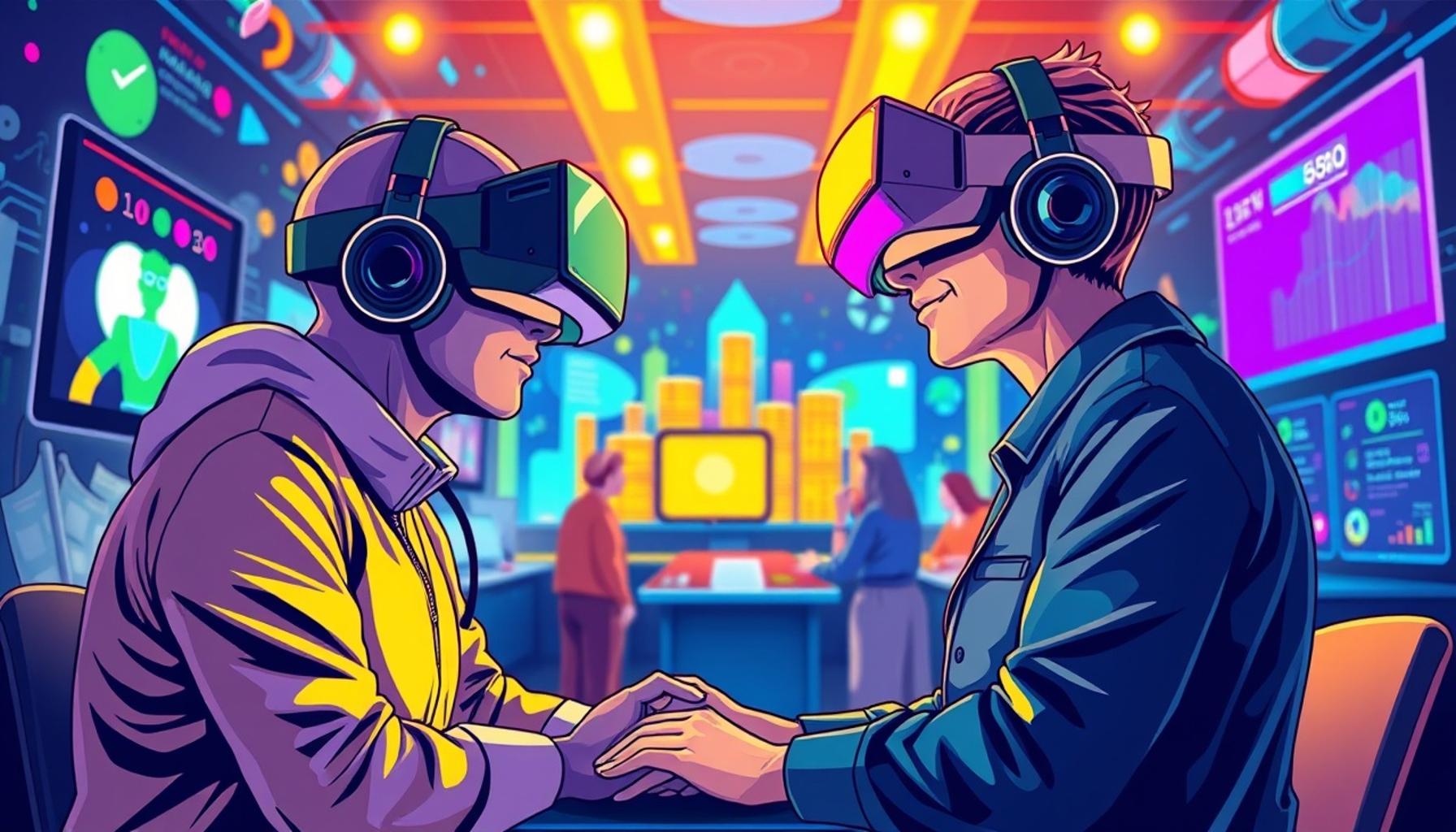
Virtual Reality and Mental Health: How Virtual Environments Can Assist in Therapy

The Role of Virtual Reality in Transforming Mental Health Therapy
In recent years, as society becomes increasingly aware of the importance of mental health, new and innovative treatment methods are gaining traction. One of the most groundbreaking advancements is the integration of Virtual Reality (VR) into therapeutic practices. This technology creates immersive experiences that can enhance the healing process and provide valuable support for individuals facing various mental health challenges.
Virtual reality offers an array of possibilities for tackling numerous psychological issues by providing immersive environments tailor-made for therapy. For example, let’s consider the role it plays in Exposure Therapy. In traditional exposure therapy, an individual confronts fears gradually; VR takes this process further by allowing clients to face their fears in a safe, controlled setting. A person terrified of flying can experience a simulated airplane takeoff and landing without ever leaving the therapist’s office, thus reducing anxiety and building coping skills in real-time.
Another application of VR is in Anxiety Reduction. Some programs offer calming virtual scenes—such as serene beaches or tranquil forests—where individuals can engage in relaxation exercises. The immersive nature of these environments can provide immediate stress relief and help users practice mindfulness techniques effectively. Studies show that participants who engage in these calming scenarios report lower anxiety levels, underscoring the technology’s potential.
Social Skills Training is another critical area where VR shows promise. For individuals with social anxiety or autism spectrum disorders, practicing social interactions can be daunting. VR scenarios simulate real-world interactions, allowing clients to practice conversing with avatars in various social settings. This not only eases the pressure of real-life interactions but also equips individuals with the skills they need to communicate more effectively.
Additionally, in realms of Mindfulness Practice, VR can guide individuals through virtual meditation landscapes designed to enhance relaxation and focus. Imagine following a virtual instructor by a peaceful mountain stream or experiencing sunrise on a tranquil beach while meditating. These environments foster a deep sense of calm and encourage a more robust mindfulness practice.
The applications of VR allow therapists to customize treatments according to each client’s unique needs, creating tailored experiences that might be challenging to replicate in real life. By leveraging this technology, therapy becomes not just a process but an engaging journey towards personal growth and healing.
In this exploration of VR’s role in mental health treatment, we will look further into its benefits, the challenges it faces, and its immense potential for the future of therapy, making mental wellness more accessible and effective than ever before.
DISCOVER MORE: Click here to dive deeper
Harnessing the Power of Immersive Experiences in Therapy
The integration of Virtual Reality (VR) into mental health therapy is not just a trend; it’s a transformative approach to treatment that is reshaping how practitioners address various psychological issues. One of the most significant advantages of VR is its ability to create immersive environments that facilitate healing in a way that traditional methods may struggle to replicate. By engaging multiple senses, VR enhances a person’s connection to therapeutic exercises, making them more effective and relatable.
One prominent application of VR is in the field of Post-Traumatic Stress Disorder (PTSD). In this context, VR can recreate environments and scenarios that patients may have encountered during traumatic events, allowing them to process those experiences in a controlled setting. For example, a veteran dealing with combat-related PTSD might experience a virtual simulation of combat situations, guided effectively by a trained therapist. This carefully structured exposure can help patients confront distressing memories without the overwhelming fear typically associated with real-life triggers.
Another area where VR shines is in Phobia Treatment. Many individuals suffer from irrational fears that hinder daily functioning, such as fear of heights (acrophobia) or fear of spiders (arachnophobia). Through VR, these individuals can gradually face their fears. Imagine someone with a fear of heights being virtually transported to the edge of a cliff, slowly acclimating to the height while under the supportive guidance of a mental health professional. This gradual exposure can help desensitize individuals and build tolerance, all while remaining within the safe confines of a therapist’s office.
The effectiveness of VR in therapy lies not only in its ability to simulate real-world situations but also in how it enhances therapeutic engagement. Research indicates that when clients are actively involved in their treatment through immersive experiences, treatment compliance improves significantly. Some of the specific advantages of using VR in therapy include:
- Increased control: Therapists can manipulate the virtual environment according to the client’s needs, allowing for adaptable and personalized treatment.
- Safety and comfort: Clients can confront challenging situations within a secure setting, which reduces the anxiety typically associated with facing real-life challenges.
- Immediate feedback: The immersive nature of VR enables therapists to receive direct feedback on clients’ reactions, aiding in the assessment of anxiety levels and engagement during sessions.
- Engagement and motivation: The interactivity and novelty of VR make therapy seem less daunting, fostering greater participation and enthusiasm for the therapeutic process.
As we continue to explore the implications of VR in mental health therapy, it becomes clear that this innovative technology opens up opportunities for individuals to confront their fears and anxieties in ways that traditional methods have not yet achieved. By allowing clients to engage with their mental health challenges actively, VR therapy paves the way for a more effective and personalized approach to mental wellness.
DON’T MISS OUT: Click here for tips on getting your clothes from Shein
Beyond Exposure: The Therapeutic Benefits of VR Techniques
While exposure therapy is one of the more well-known applications of Virtual Reality (VR), its benefits extend far beyond this single therapeutic approach. The framework of VR in mental health therapy is versatile, encompassing a range of techniques designed to address varying psychological conditions effectively. By leveraging the power of immersive storytelling and interactive environments, therapists can facilitate not only exposure but also skills development, emotional regulation, and social interactions.
Mindfulness and Relaxation Training are integral components of mental health that can be significantly enhanced through VR. Guided meditations in serene virtual landscapes allow clients to practice mindfulness techniques while immersed in calming environments, such as tranquil beaches or serene forests. For instance, someone suffering from anxiety might use a VR simulation to engage in deep breathing or body scan exercises, which teaches them how to attain a state of relaxation amidst overwhelming stressors. The immersive nature of VR can make these experiences feel more real and impactful, encouraging a more profound practice of mindfulness that carries into everyday life.
Another area where VR is beneficial is in social skills training. Many individuals, including those on the autism spectrum or those with social anxiety, can find face-to-face interactions difficult. VR can create safe spaces for users to practice social scenarios without the fear of judgment. For example, a person can engage in simulated conversations with virtual avatars that mimic real-life social interactions. This technique not only helps build confidence but also enables individuals to understand social cues and responses, improving their communication skills in a non-threatening setting.
The use of VR also facilitates emotional regulation training. Through immersive experiences, clients can explore their emotions in a controlled environment. A therapist might create a scenario where a patient can encounter stressful situations in a VR setting. By practicing coping strategies in real-time, clients learn how to manage their reactions effectively. This technique reinforces the connection between emotional awareness and behavior modification, making it easier for clients to navigate challenging emotional landscapes in reality.
Moreover, VR provides an avenue for the integration of cognitive-behavioral techniques within a unique context. For example, a person grappling with obsessive-compulsive disorder (OCD) can confront their compulsions through situations designed to trigger their anxieties while receiving cognitive-behavioral therapy guidance. This combination can help clients understand how their thoughts lead to certain behaviors, equipping them with tools to break the cycle of compulsive actions.
As researchers continue to explore the potential of VR in mental health, studies have indicated a growing body of evidence supporting its effectiveness. A report published in the Journal of Medical Internet Research noted substantial reductions in anxiety and depression symptoms among participants exposed to VR therapy compared to those who received traditional treatment alone. These findings underscore the importance of embracing innovative techniques that meet the needs of diverse populations, offering new hope and pathways for recovery.
The journey of integrating VR into mental health therapy is just beginning, and as this field evolves, it promises to revolutionize how therapists and clients interact and heal. By harnessing the capabilities of VR technology, mental health professionals can provide flexible, engaging, and personalized experiences that promote not only recovery but also thriving mental wellness.
DIVE DEEPER: Click here to learn more
Looking Ahead: The Future of VR in Mental Health Therapy
In conclusion, the integration of Virtual Reality (VR) into mental health therapy represents a pivotal advancement in addressing various psychological conditions. By providing immersive environments that foster skill development, emotional regulation, and social interaction, VR is not just a tool for treatment but a transformative approach to healing. Techniques such as mindfulness training, social skills practice, and cognitive-behavioral strategies are enhanced by the unique capabilities of VR, allowing clients to engage in meaningful therapeutic experiences that might otherwise feel daunting in real life.
The compelling evidence supporting VR therapy, from reduced symptoms of anxiety and depression to its effectiveness in teaching emotional coping strategies, suggests that this technology is becoming an invaluable part of modern mental health care. As studies continue to affirm its benefits, mental health professionals are encouraged to explore and adopt these innovative techniques, tailoring them to meet the needs of diverse populations.
As we move forward, the potential for VR therapy seems limitless. With advancements in technology, future iterations of VR could become even more personalized and effective, potentially offering customized therapy experiences that resonate with individual client needs and challenges. The promise of thriving mental wellness through virtual environments marks an exciting frontier in therapy, one that not only supports recovery but also empowers individuals to lead fulfilling lives.
Ultimately, by embracing the unlimited possibilities that VR presents, we can pave new pathways to mental health that are inclusive, accessible, and effective for everyone.

Linda Carter
Linda Carter is a writer and expert known for producing clear, engaging, and easy-to-understand content. With solid experience guiding people in achieving their goals, she shares valuable insights and practical guidance. Her mission is to support readers in making informed choices and achieving significant progress.