Menu

The Evolution of Cyber Threats in 2023: What Companies Need to Know

The cybersecurity landscape has dramatically evolved in 2023, with companies facing increasingly sophisticated and frequent cyber threats. Key challenges include AI-driven phishing, evolved ransomware targeting critical infrastructure, and supply chain vulnerabilities. Organizations must prioritize advanced technologies, employee training, and robust incident response plans to safeguard their digital assets.

The Impact of Social Media on Cybersecurity: Risks and Preventive Measures

Social media enhances connectivity but poses significant cybersecurity risks, including identity theft and data breaches. Users must recognize threats like phishing and malware while adopting proactive measures, such as strong passwords and privacy settings, to safeguard their personal information. Education and vigilance are essential for a secure online experience.

The Future of Entertainment: Virtual Reality in Games and Immersive Experiences

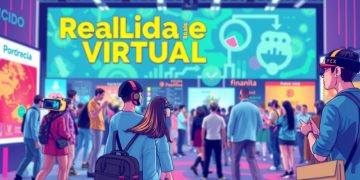
Virtual reality is revolutionizing entertainment, particularly in gaming and immersive experiences. By creating interactive environments, VR enhances storytelling and player engagement, promoting social connections. Its applications extend beyond gaming, influencing education and professional training, while advancing technology opens doors for greater creativity and accessibility in the future.

Virtual Reality and Professional Training: Preparing the Workforce for the Future

Virtual Reality (VR) revolutionizes professional training by offering immersive, hands-on experiences that enhance learning retention, engagement, and safety. While challenges like high costs and content development exist, VR equips the workforce with essential skills, ensuring adeptness in increasingly complex job environments and preparing professionals for future industry demands.

The Impact of Virtual Reality on Education: Transforming Learning in Virtual Classrooms

Virtual Reality is revolutionizing education by creating immersive learning experiences that enhance student engagement, simplify complex concepts, and promote collaboration. It breaks down geographic barriers, fosters empathy, and tailors personalized learning paths, ensuring accessible and inclusive education for all, while preparing students for future challenges.

The Impact of Virtual Reality on Interpersonal Relationships: Connecting People in Virtual Worlds

Virtual Reality is revolutionizing interpersonal relationships by providing immersive environments that foster genuine connections. Through shared experiences and emotional engagement, VR enhances communication, strengthens bonds, and creates supportive communities. As this technology evolves, it offers new ways to nurture relationships in our increasingly digital world.

Virtual Reality and Mental Health: How Virtual Environments Can Assist in Therapy

Virtual reality is revolutionizing mental health therapy by offering immersive environments for treatments like exposure therapy, anxiety reduction, and social skills training. This innovative approach enhances engagement and personalization, providing effective support for various psychological conditions while paving the way for a more accessible and effective mental wellness journey.

Virtual Reality and Accessibility: Creating Inclusive Experiences for All

This article explores the vital role of accessibility in virtual reality, emphasizing the need for inclusive design that accommodates users with disabilities. It highlights adaptive technologies, sensory accommodations, and community feedback in creating immersive experiences that foster connection, learning, and collaboration for all individuals.

Virtual Reality and Empathy: How Immersive Experiences Can Increase Social Understanding

Virtual reality technology enhances empathy by immersing users in diverse experiences, fostering emotional connections and social understanding. Through realistic scenarios, emotional engagement, and perspective-taking, VR has the potential to cultivate compassion and challenge stereotypes, promoting a more empathetic society amidst contemporary social challenges.

The Role of Virtual Reality in the Tourism Industry: Exploring Destinations Without Leaving Home

Virtual reality is revolutionizing the tourism industry by enabling immersive pre-travel exploration, enhancing cultural learning, and providing accessible travel experiences for all. This technology enriches vacation planning, reduces environmental impact, and fosters deeper connections with destinations, making global exploration feasible from the comfort of home.